
Move beyond passive viewing and unlock YouTube’s powerful potential as a premier e-commerce engine. This comprehensive guide reveals how to strategically transform your YouTube channel into a dynamic sales platform, driving direct revenue and sustainable brand growth. The fusion of engaging video content and seamless shopping features has revolutionized digital marketing, making YouTube an indispensable tool for savvy online retailers. By mastering audience analytics and crafting compelling, shoppable narratives, you can effectively convert casual viewers into loyal customers. This content will provide you with an actionablean actionablean actionablee blueprint to optimize your video SEO, leverage high-impact influencer collaborations, and implement data-driven promotional tactics. We delve into the critical steps of audience analysis, content creation for maximum engagement, and performance tracking to refine your strategy continuously. Whether you’re launching a new product line or aiming to boost your existing online sales, understanding how to harness YouTube’s unique ecosystem is key to outpacing the competition. Learn how to turn viewer interest into tangible transactions and build a community that fuels your e-commerce success.
Key Takeaways
- YouTube can be a strong tool for growing your e-commerce products.
- Begin by learning about your target audience through demographics and YouTube analytics. This will help you make your content better.
- Next, create fun video content. Use storytelling, tutorials, and real-life product demos to show benefits.
- Improve your video titles, descriptions, and keywords for better search visibility.
- Share your videos on social media and team up with influencers to get a wider reach.
- Check the performance metrics, like views and rates,rates, often. Use this information to improve your plans and boost your e-commerce growth.
- Remember to keep your content real and useful for your audience.
Understanding Your Target Audience
Use YouTube’s analytical tools to learn about viewer behaviorbehavior and preferences.
To do this, begin by looking into demographics such as age, gender, location, and interests.
To improve your channel’s visibility, use YouTube SEO techniques that fit how your audience searches.
Segment your audience into specific groups after you collect data.
Think about the issues your audience has and how your products can help solve those issues.
Make buyer personas to understand their needs and goals.
By knowing your target audience, you can write stories that connect with them.
Creating Engaging Video Content
Focus on telling stories to grab your audience’s attention.
Show your products in real-life situations, showing their features and benefits.
Use good visuals and clear audio to keep viewers interested.
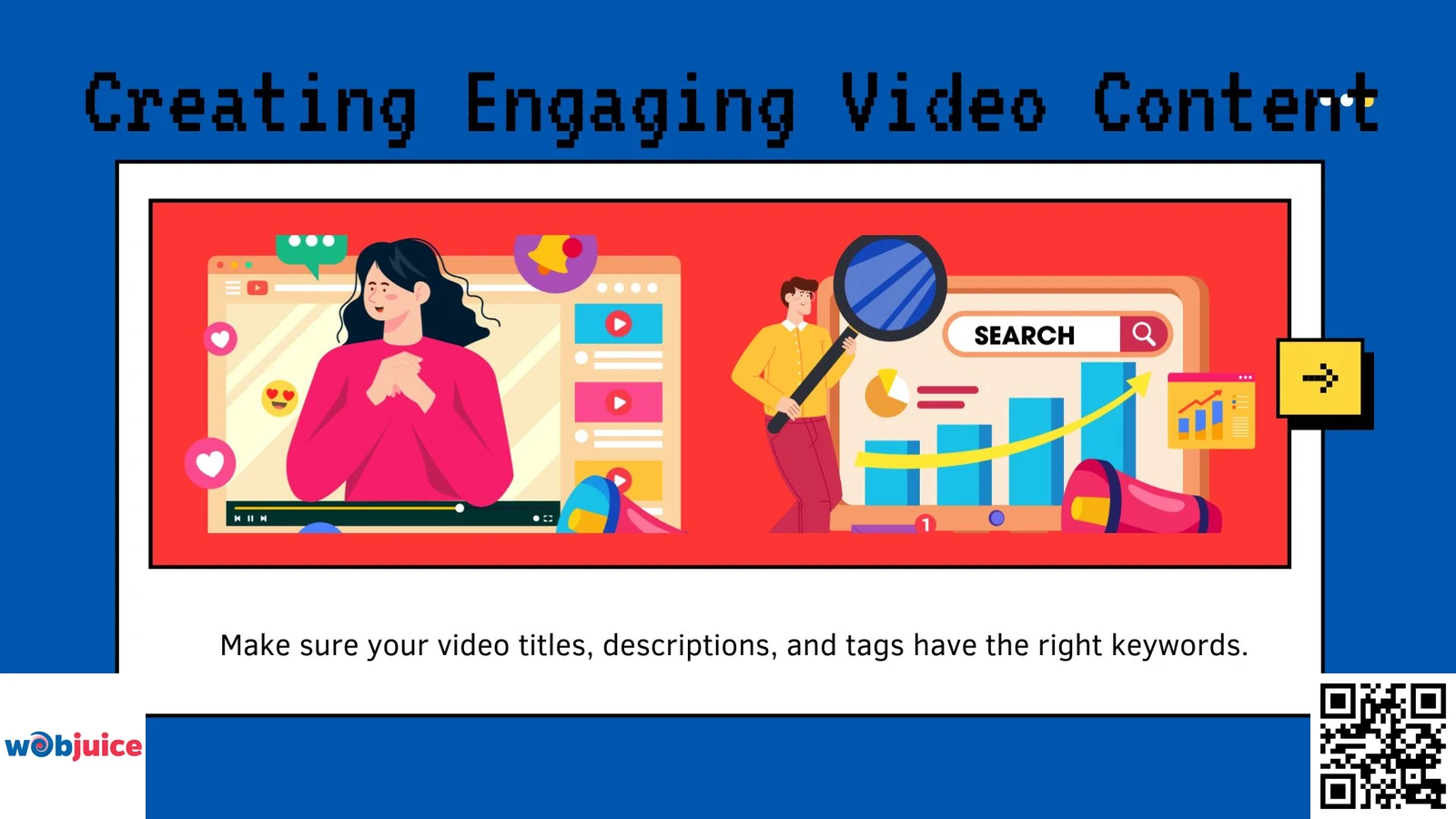
Make sure your video titles, descriptions, and tags have the right keywords.
Use different formats like tutorials, unboxings, and customer reviews.
Don’t overlook how important a strong call to action (CTA) is.
Urge viewers to check your website, subscribe to your channel, or follow you on social media.
Be real. People like honesty and true passion for your products.
Make content that connects with your audience to build a community around your brand.
This will help boost sales and keep customers loyal.
Optimizing Video for Search
To make your eCommerce video better for YouTube search, follow these tips:
- Start by using good titles and descriptions with keywords. These words should match what people search for.
- Next, add tags related to your video content. This helps YouTube understand what your video is about. Also, use a clear thumbnail to grab attention.
- Make sure your video is high-quality. A good video keeps viewers watching.
- Share your video on social media and link back to your online store. This can bring in more views.
- Always look at the feedback to improve your future videos.
Keyword Research Techniques
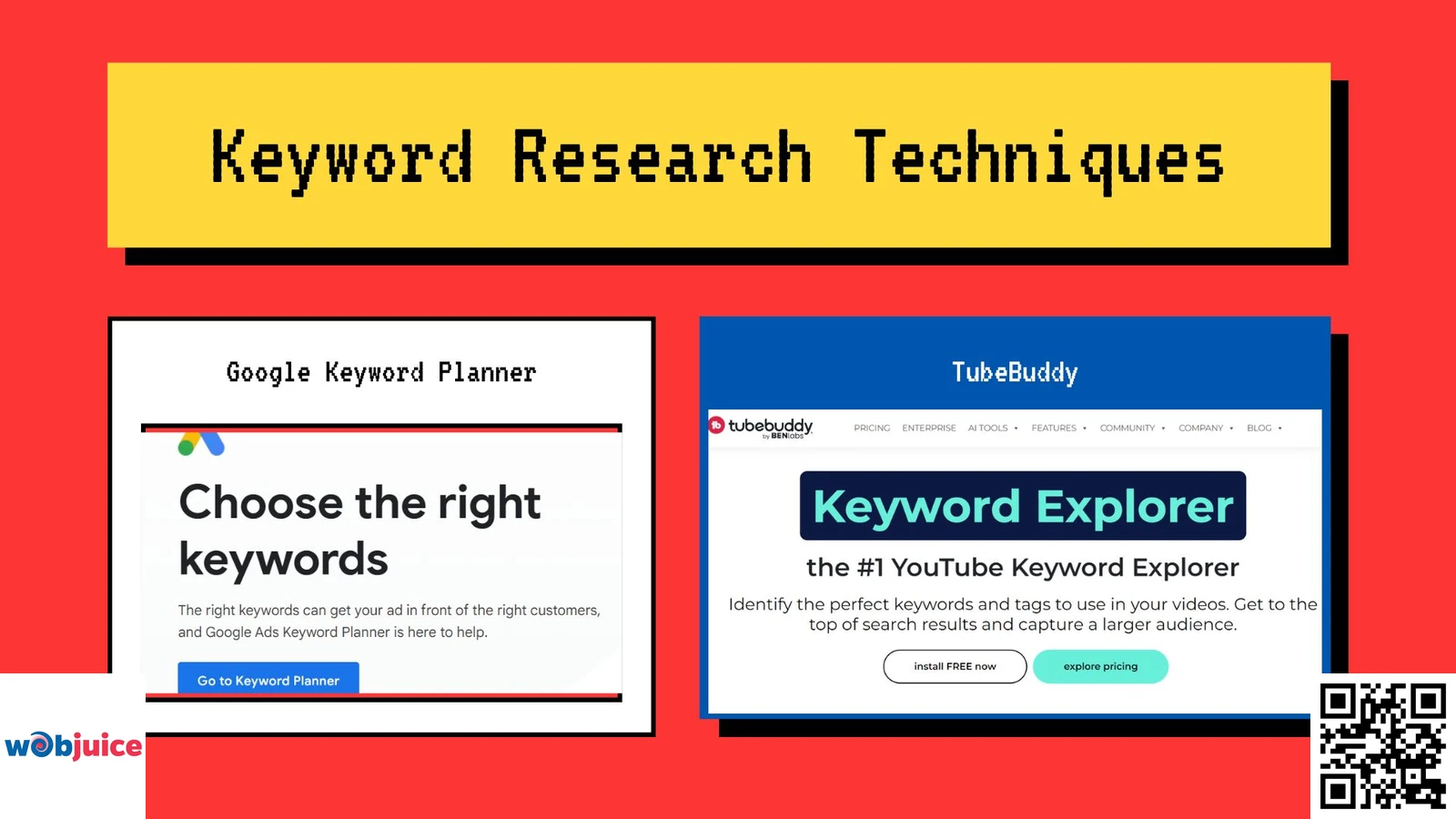
Start by finding keywords that connect with your target audience.
Google Keyword Planner or TubeBuddy can help you find popular search terms about your products.
Next, analyze what your competitors are doing.
Watch videos in your area and pay attention to the words they use in titles, tags, and descriptions.
Effective Video Descriptions
Start by adding specific keywords in the first few sentences.
This helps YouTube’s algorithm understand your content better.
Make sure to give a summary of your video.
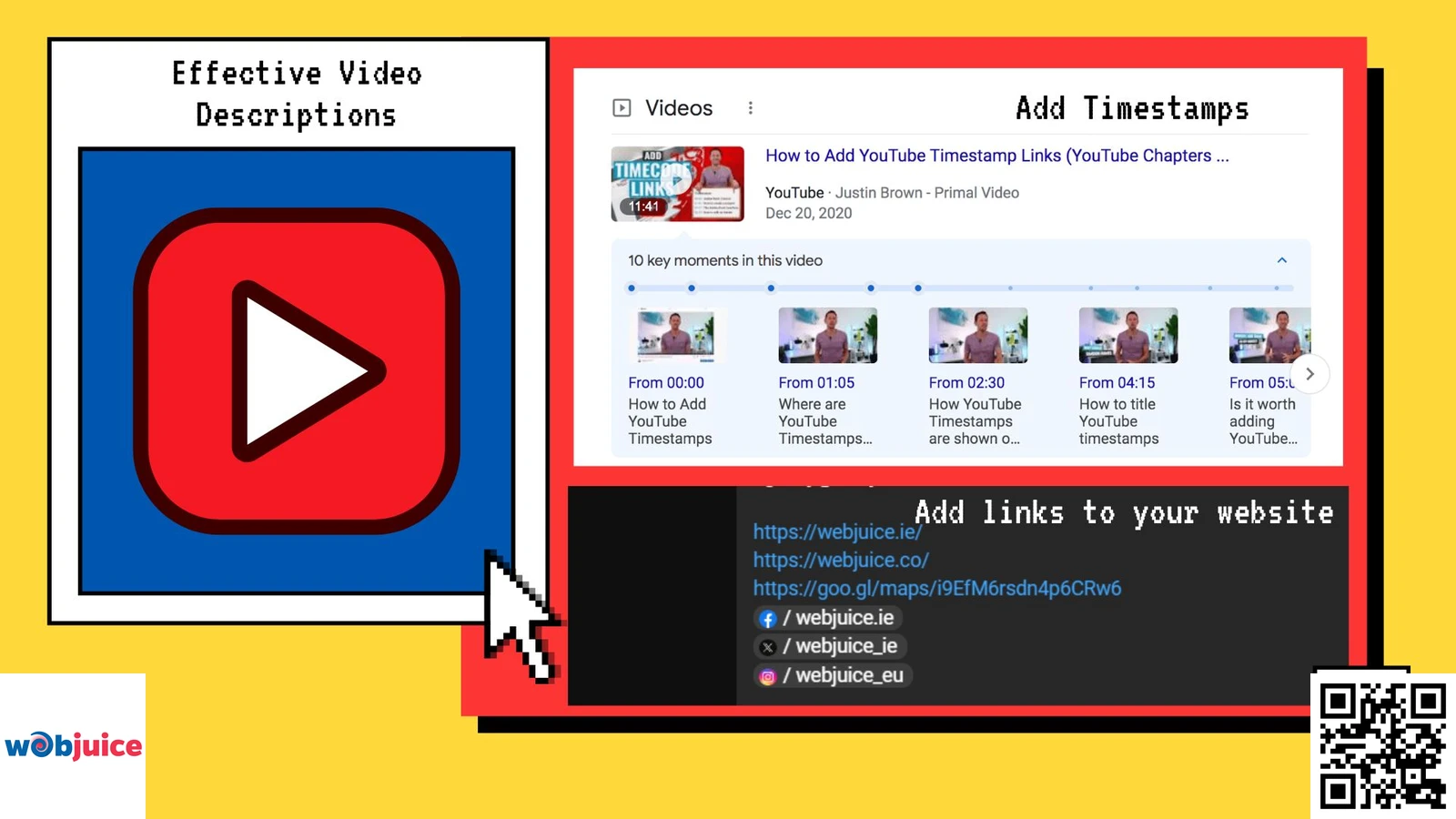
Add links to your website or product pages.
Additionally, using timestamps can improve user experience and help keep viewers engaged.
Don’t forget to add a strong call to action (CTA).
Ask viewers to like, subscribe, or check out your website for more details.
Lastly, keep your description short but informative, aiming for about 200 words.
Promoting Your YouTube Channel

Start by making your video titles and descriptions better with keywords.
This will increase your search visibility and help viewers find your content.
Use social media platforms.
Share your videos on Facebook, Instagram, and Twitter to bring more people to your channel.
Talk with your audience through comments or live streams.
Create eye-catching thumbnails.
A strong thumbnail catches the eye and can boost your click-through rate.
Think about using YouTube ads to promote your videos to more people.
Work with other creators in your area.
Utilizing Influencer Collaborations
Choose influencers that share the same values as your brand.
This connection makes it easier for their audience to connect with your content.
Work together on product reviews, unboxings, or tutorials.
Use storytelling to your advantage.
Ask influencers to talk about their experiences with your products.
Optimize your teamwork for SEO.
Use good keywords in video titles, descriptions, and tags to help people find your videos.
Add links to your products in the video description.
Analyzing Performance Metrics
Pay attention to key performance indicators, engagement rates, and ways to track changes.
These will give you useful insights into how your audience acts.
Check your YouTube content for SEO regularly.
Understanding these metrics helps improve your strategies and increases your overall ROI.
Key Performance Indicators
Conversion rates are very important.
They show how many viewers take action after watching your videos.
Low conversion rates may mean you need to change your calls to action or how you show your products.
Pay attention to numbers like views, watch time, and how often people click on links.
These show how much your audience cares and engages with your products.
Use this information to improve your videos and marketing plan.
Pay attention to audience retention rates.
A higher retention rate often leads to better loyalty to your brand and more repeat purchases.
Demographic data helps you understand your audience.
Use it to make content that speaks directly to them.
Engagement Rate Analysis
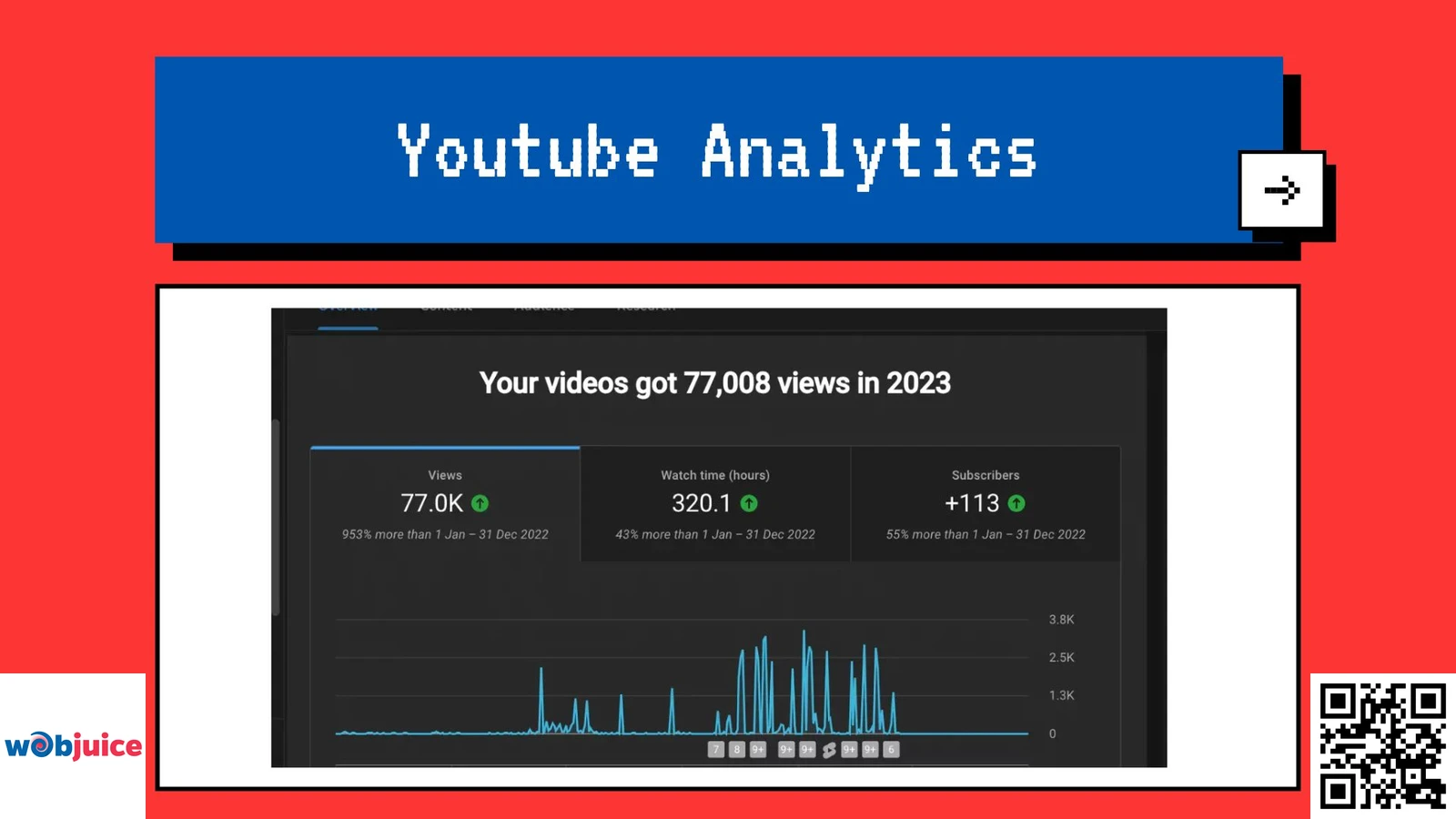
Start by checking these metrics using YouTube Analytics.
Look for patterns in your most popular videos.
This understanding helps you create future content that matches your audience’s interests.
You should compare your engagement rates with industry standards.
Consistent review of this data helps you improve your content plan and can boost your SEO efforts.
Engaging content is more likely to rank higher in search results.
Conversion Tracking Techniques
To track results from your YouTube work, connect Google Analytics with your shopping site.
This helps you check where visitors are coming from and how they act.
Tag your YouTube links with UTM parameters.
Look at important numbers like click-through rates, action rates, and average order value.
These show how well your audience engages and how effective your content is in making sales.
Use YouTube’s built-in tools to check how well your videos are doing.
Watch time and how long viewers stay show what content people like.
Try A/B testing different video types or calls to action.
This helps you see what connects with your audience.
These techniques improve understanding of customer behavior and better content strategy.
YouTube E-Commerce FAQ
Your complete guide to driving sales and building your brand through YouTube video marketing
Q1: How can YouTube videos actually drive sales for my online store?
This builds “social proof” and reduces pre-purchase uncertainty for viewers. Crucially, with features like product pins, linked end screens, and shoppable links in descriptions, you can create a seamless path from discovery to purchase without the viewer ever leaving the platform.
SEO Tip for E-commerce Videos
Optimize your video descriptions with long-tail keywords that match customer search intent, such as “how to use [product] for [benefit]” or “[product] review for beginners.” This targets users who are closer to making a purchase decision.
By optimizing your content for search (YouTube SEO) and targeting the right audience, you attract high-intent viewers who are more likely to convert into customers, directly boosting your e-commerce revenue.
Q2: What type of video content is most effective for selling products on YouTube?
- Demonstration/Tutorial Videos: Show your product solving a specific problem. “How-to” content ranks well in search and establishes your product as a practical solution.
- Authentic Product Reviews & Unboxings: Genuine first-impression videos build immense trust. Consider sending products to creators for honest reviews.
- Storytelling & Behind-the-Scenes: Connect emotionally by sharing your brand’s mission, creation process, or customer success stories.
- Comparison Videos: Objectively compare your product with competitors, highlighting unique value propositions to help viewers make informed decisions.
Regardless of format, every video should have a clear, compelling call-to-action (CTA), such as visiting your website or using a limited-time promo code.
Q3: How do I optimize my YouTube videos to be found by potential customers (YouTube SEO)?
- Keyword-Centric Titles & Descriptions: Use tools like Google Keyword Planner or TubeBuddy to find relevant, high-volume search terms. Place your primary keyword naturally in the first 100 characters of your title and within the first two sentences of your description.
- Comprehensive Descriptions: Write detailed descriptions (200+ words) that include keywords, a video summary, relevant timestamps, and important links to your website or product pages.
- Strategic Tagging: Use a mix of broad and specific tags, including your primary keyword, brand name, and related terms.
- Engaging Custom Thumbnails: Design high-contrast, text-overlaid thumbnails that are visually compelling and accurately represent your content to maximize click-through rate (CTR).
- Transcripts/Subtitles: Uploading accurate closed captions provides more indexable text for YouTube’s algorithm and improves accessibility.
Advanced SEO Strategy
Create video series with consistent naming conventions (e.g., “E-commerce Mastery Part 1”, “Part 2”) to encourage binge-watching and increase overall watch time, which is a key ranking factor for YouTube’s algorithm.
Q4: Why are influencer collaborations important for YouTube e-commerce, and how do I start?
To start:
- Identify Relevant Partners: Look for creators whose content niche, audience demographics, and values align closely with your brand—not just those with the largest following. Nano and micro-influencers often have higher engagement rates.
- Define Clear Campaign Goals: Determine if you want product reviews, tutorial integrations, or sponsored mentions. Provide clear guidelines but allow creative freedom for authenticity.
- Optimize the Partnership: Ensure the video description includes trackable links (using UTM parameters) and relevant keywords. Promote the collaborative content across both your channel and social media to maximize reach.
For maximum SEO benefit, ask influencers to use specific keywords in their video titles and descriptions that align with your target search terms, creating a cohesive search presence across multiple channels.
Q5: What are the key performance metrics (KPIs) I should track to measure success?
- Traffic & Engagement: Watch Time (total minutes viewed), Average View Duration, and Audience Retention curves show how engaging your content is. High retention is a strong positive signal to the algorithm.
- Audience Growth: Subscriber Growth Rate indicates your channel’s ability to build a loyal community.
- Click-Through & Conversion: Click-Through Rate (CTR) on cards/end screens and Conversion Rate (tracked via Google Analytics) measure how effectively you drive viewers to your website and convert them into customers.
- Return on Investment (ROI): Track Revenue Attribution and Customer Acquisition Cost (CAC) from YouTube campaigns to directly assess profitability.
Data-Driven Optimization
Use YouTube Analytics to identify your top-performing videos by traffic source. Double down on creating content similar to what brings you the most search traffic and external website referrals, as these viewers typically have higher purchase intent.
Regularly analyzing these metrics allows for data-driven decisions to continuously improve your content and sales strategy.
Summary
In conclusion, YouTube’s evolution from a video-sharing site to a vital e-commerce hub offers unparalleled opportunities for brand growth and sales conversion. To capitalize on this, a strategic, data-informed approach is non-negotiable.
Audience-Centric Foundation: Begin by deeply understanding your target demographic through YouTube Analytics, shaping all content to meet their specific needs and search behaviors.
Content is King & Queen: Prioritize high-quality, engaging video formats—like tutorials, storytelling, and authentic product demonstrations—that provide real value and seamlessly integrate with your products.
Optimize for Discovery: Meticulous keyword research and optimization of video titles, descriptions, and tags are critical for enhancing search visibility and attracting your ideal audience.
Amplify Your Reach: Systematically promote your channel across social media and forge strategic influencer partnerships to expand your reach and build credibility.
Analyze and Adapt: Consistently monitor key performance metrics (views, watch time, engagement, conversion rates) to gain actionable insights and perpetually refine your strategy for maximum ROI.
By consistently applying these focused efforts—creating authentic, valuable content optimized for both viewers and algorithms—you will significantly boost your brand’s visibility, foster a loyal community, and transform YouTube into a powerful, revenue-generating pillar of your e-commerce business. Start implementing today to harness the platform’s full potential.