In the competitive world of e-commerce, simply having an online store is not enough. To thrive, your WooCommerce store must be easily discovered by potential customers actively searching for your products. This comprehensive guide delves into the essential strategies of WooCommerce SEO, providing you with the actionable blueprint needed to elevate your store’s visibility, drive targeted organic traffic, and accelerate sales growth. Unlike general SEO, WooCommerce SEO leverages the unique synergy between WordPress and its powerful e-commerce plugin, offering specialized tools for product optimization, technical performance, and user experience. We will explore the critical pillars of a successful strategy: from foundational keyword research and on-page optimization of product pages to the technical nuances of site speed, mobile responsiveness, and secure, streamlined checkout processes. Furthermore, we’ll highlight how integrating specialized plugins, implementing structured data for rich snippets, and employing effective marketing features within WooCommerce can create a formidable, search-engine-optimized storefront. By mastering these elements, you transform your store into a high-performance asset that not only ranks higher on search engine results pages (SERPs) but also converts visitors into loyal customers, ensuring long-term dominance in your market.
Key Takeaways
Optimizing your WooCommerce store using good SEO strategies can help your shop show up better online.
This is important for your success in e-commerce.
Using designs that fit all devices and having clear layouts makes it easier for people to shop.
This can lower bounce rates and raise your search engine rankings.
Plugins like Yoast SEO and Schema Pro can make on-page optimization simpler.
They help add rich snippets that improve your SEO results.
Providing several secure payment methods and mobile-friendly choices makes shopping easier.
It’s also important to keep your security up-to-date and improve your site speed.
Doing this builds trust with customers and helps your search engine performance.
All these strategies work well together to make a strong, easy-to-use, and search-engine-optimized WooCommerce store.
What is Woocommerce SEO?
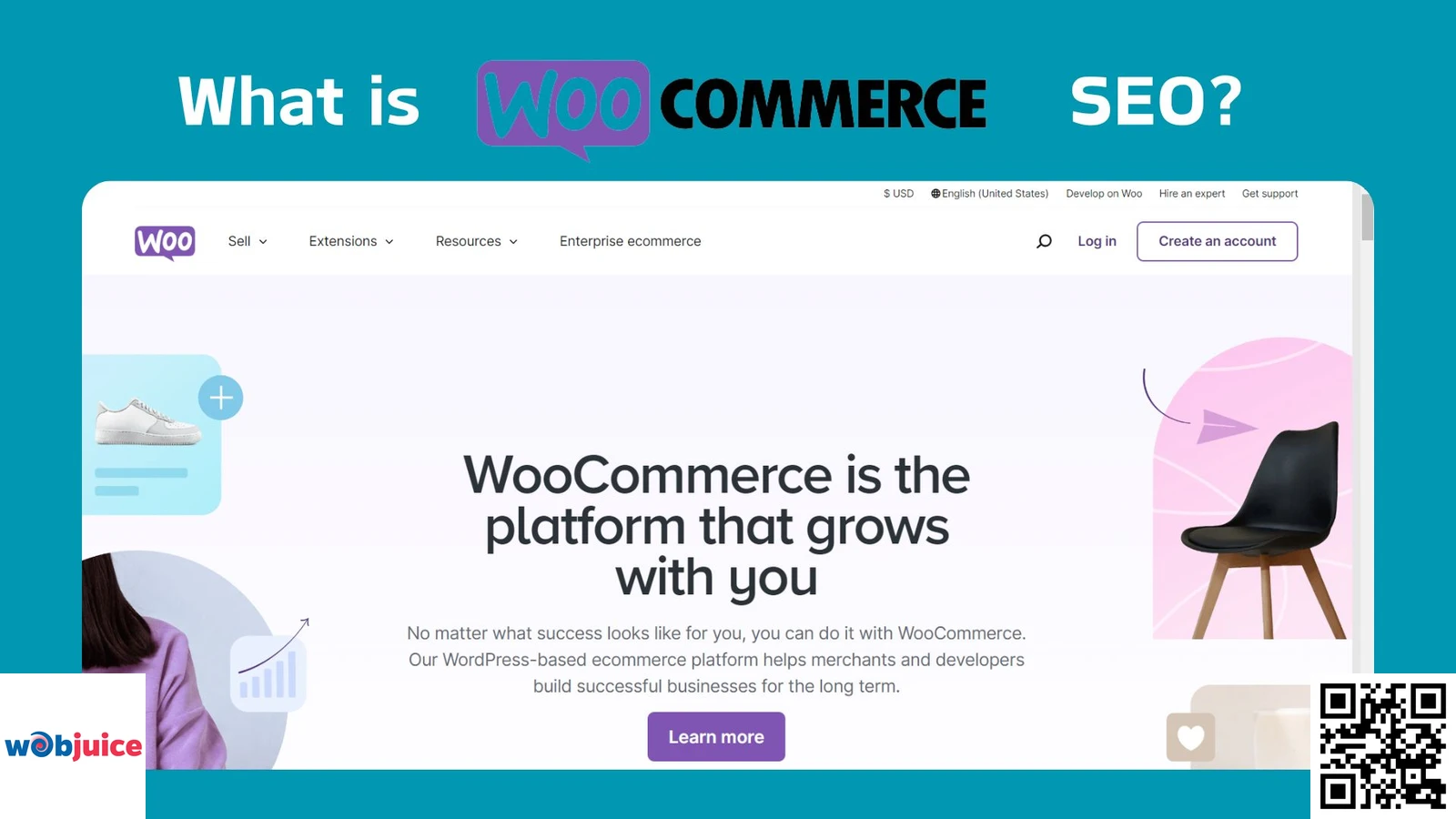
WooCommerce SEO is about improving your WooCommerce store to rank higher in search engine results.
This is important for online store owners who want to get more visibility and attract traffic to their sites.
By using certain techniques, you can help potential customers find your products and pages more easily.
What Makes Woocommerce SEO Unique?
WooCommerce SEO stands out because it works well with WordPress.
It also offers many ways to customize and add structured data markup.
With WooCommerce, you can change meta tags, product descriptions, and URLs easily.
This helps you customize your SEO strategy for your specific market.
The platform also works well with several SEO plugins like Yoast SEO.
These tools make it easy to improve your visibility online.
WooCommerce uses structured data markup that is useful for search engines because it helps them understand your products.
As a result, you may see rich snippets in search results.
Features of Woocommerce SEO
WooCommerce SEO offers designs and themes that you can change to fit your needs.
They also provide easy payment options and several integrations to help your store run smoothly.
It helps your online store rank better in search engine results.
This can boost your organic traffic and bring in more potential customers.
WooCommerce SEO offers strong marketing tools and easy shipping choices.
These features help businesses draw in and keep customers.
Designs and Themes of Woocommerce SEO

Here are some tips to make sure your online store looks nice on every device.:
- Use alt tags for your images.
- Compress file sizes without losing quality.
- This will make your pages load faster.
- It also helps search engines understand your content better.
- Add social sharing buttons to your design.
- Focus on typography and colours.
- Use clear fonts and strong colour contrasts.
- These choices improve user experience.
- They help keep visitors on your site longer.
- Use breadcrumbs in your design.
- They will help people find their way around.
- This also helps search engines index your pages better.
Payment Methods
When customers find it easy to pay, they will complete their purchase more often.
This can result in higher conversion rates and better search engine rankings.
Here are some tips you should consider:
- Think about the fees you might have to pay for each method.
- Look at how fast the payments are processed.
- Make sure the methods you choose are safe for your customers.
- Consider what different payment options your customers prefer.
- Check if your payment methods can work well with your current systems.
- Provide several payment choices to reach more people and improve user experience.
- Use security features like SSL certificates.
- Add secure payment gateways.
- Make sure your payment methods work well on mobile devices.
- Make the checkout process simpler by reducing steps and required fields.
Integrations and Plugins with Woocommerce SEO
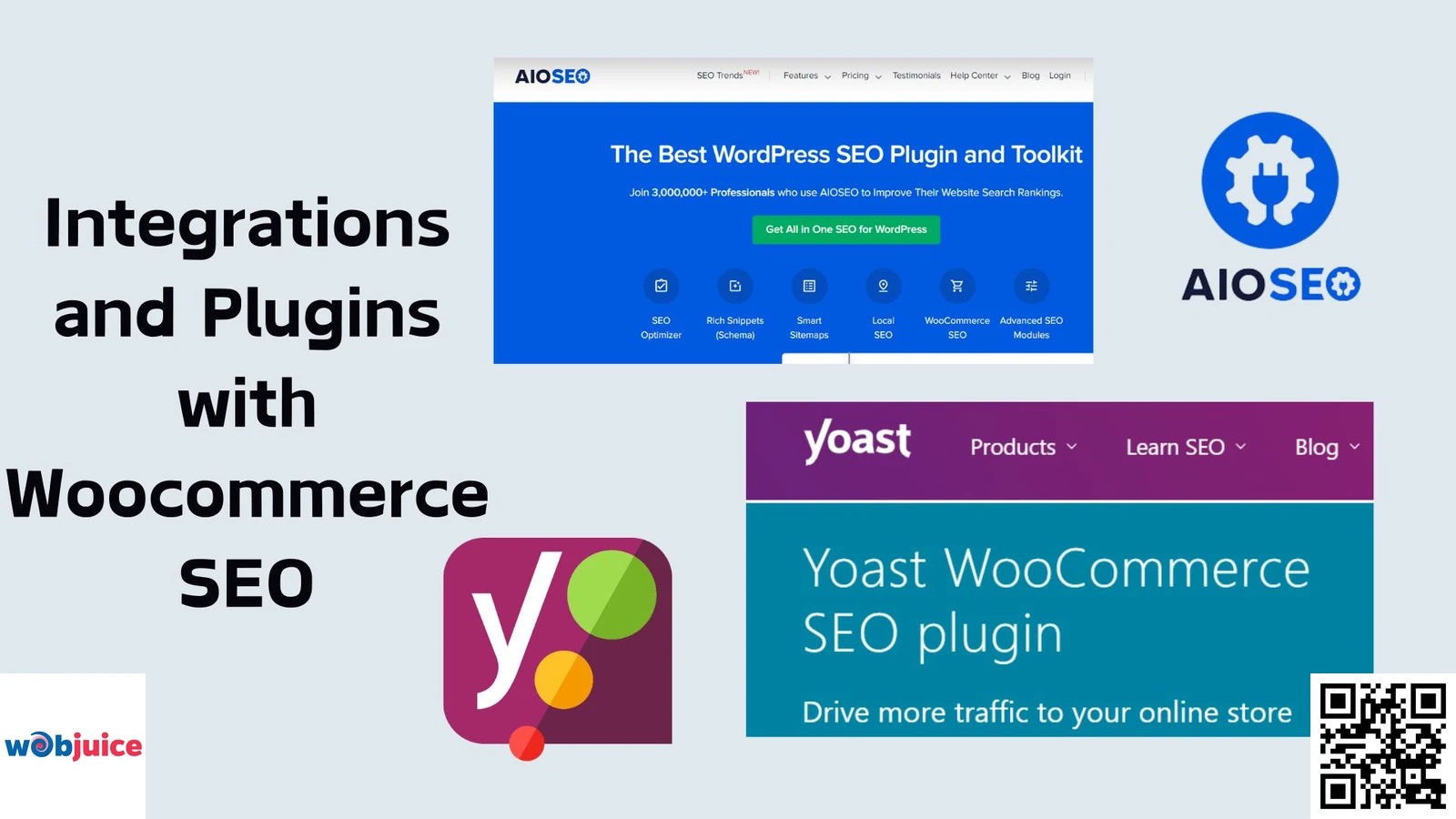
Yoast SEO for WooCommerce and All in One SEO Pack are great options for improving your SEO strategy for your online store.
These plugins help increase your store’s visibility and attract more visitors.
Yoast SEO helps you handle meta tags.
It also creates XML sitemaps and checks your content for the best practices in SEO.
All in One SEO Pack makes on-page optimization easy.
It also includes advanced features, such as social media integration.
Schema Pro adds rich snippets to your product pages.
This helps get more clicks and gives search engines better information about your products.
Speed is important for SEO rankings.
WP Super Cache is a caching plugin that helps make your site load faster.
Smush is a tool that helps make images smaller.
It reduces image size without losing quality.
These tools help you understand how users behave and find areas to improve your SEO strategy.
Using these integrations can help you improve the search visibility of your WooCommerce store.
Marketing Features for Woocommerce SEO
Marketing features can help improve the SEO of WooCommerce in several ways:
- First, they can drive more traffic to your online store.
- Second, they help create better, targeted content, which can attract more visitors.
- Third, using social media features brings in new customers and boosts engagement.
- Fourth, effective email marketing can keep your current customers coming back.
By working together, these features support your online visibility.
They increase sales and make your store easier to find in search results.
Here are some tips on marketing features:
- Use interesting titles and short descriptions to get people to click.
- A good title or description makes your content stand out.
- Keep it simple and clear to capture attention.
- Highlight what makes your content special.
- A strong title and description can boost your clicks.
- Use structured data markup to create rich snippets in search results.
- Use great images to improve SEO.
- Add alt text to help with user experience.
- Focus on getting backlinks by working with influencers or writing guest blogs.
- Send targeted emails with special offers.
- Check your performance using analytics.
Woocommerce SEO: Shipping Methods
Good shipping options are important for getting customers.
Shipping methods can greatly affect user experience and how easily your site can be found in search results.
Many shoppers look at delivery choices, price, and availability when they search for products.
Optimizing shipping settings with clear descriptions and the right delivery times builds trust.
Adding keywords like “fast shipping” and “free delivery over €50” can improve visibility.
Real-time shipping calculators give instant cost details.
Clear and easy-to-find shipping policies build trust.
They may also lower the chances of people leaving their carts.
By providing different shipping options, you enhance the user experience and help your site appear better in search engine results.
Security
Here’s how to Ensure Security for your Online Store:
- Use SSL certificates.
- Update them regularly.
- Set strong passwords.
- Back up your site.
- Use strong passwords for your admin accounts.
- Encourage your customers to use strong passwords too.
- Two-factor authentication can provide extra protection.
- Back up your site regularly.
- Keep an eye on your site for any strange activity.
- Think about using security plugins that can help spot and stop threats.
Woocommerce SEO Speed

WooCommerce works well with caching plugins.
These plugins help make your website faster by keeping static copies of your pages.
This means they can be accessed with fewer requests to the server.
Optimizing images and using a Content Delivery Network (CDN) can help make loading faster.
You can also improve your store by reducing the number of heavy scripts and plugins.
Updating your WooCommerce and WordPress often helps you get the best speed improvements and the newest security features.
By focusing on speed in your WooCommerce SEO strategy, you will make shopping easier and more enjoyable for customers.
This can lead to happier customers and more sales.
Woocommerce SEO Costs
WooCommerce SEO costs can be a few hundred to several thousand euros each year.
This depends on your needs and strategy.
Plugin expenses matter a lot. There are free options available.
However, premium plugins that provide advanced features usually cost between €40 and €240 each year.
Professional writers might charge between €80 and €400 for each item.
This includes product descriptions, blog posts, or content that is SEO-optimized.
If you choose an SEO agency in Dublin, you should plan for monthly fees that start at €400.
These costs can go up to several thousand euros, depending on the service you get.
These costs show the money you need to spend to improve how your online store appears and works in search results.
Support
WooCommerce SEO gives complete help through different ways to assist users in improving their online stores.
Users can find a lot of documentation and tutorials.
These include simple setups and advanced SEO strategies.
These resources can help store owners understand the challenges of SEO optimization.
Support forums are a great place for users to connect.
They can share ideas and get help with specific issues.
This community helps WooCommerce SEO users work together and solve problems.
Are You Ready to Dominate Search Rankings with Woocommerce SEO?
You can reach the top of search rankings with WooCommerce SEO.
If you keep improving your WooCommerce store for search engines, it will help your search rankings.
To lead in the online market, you need a strong SEO strategy designed for your e-commerce platform.
Start by doing keyword research.
Use these keywords in your product titles, descriptions, and image alt texts.
Make sure your site loads fast and works well on mobile.
A quick and responsive site will keep visitors happy and can help boost your rankings.
Make good content about your products.
Write blog posts or guides.
Using structured data can help you get noticed more in search results.
This special code helps search engines understand your products better.
This could lead to rich snippets that catch people’s attention.
WooCommerce SEO FAQ
Detailed answers to common questions about optimizing your WooCommerce store for search engines
What makes WooCommerce SEO different from regular WordPress SEO?
WooCommerce SEO represents a specialized discipline within WordPress SEO, specifically engineered for e-commerce product visibility and transactional intent. While both share fundamentals like quality content, the key differences are:
- Product Schema Markup: WooCommerce requires detailed product schema (price, availability, reviews) for rich snippets in search results.
- Image Optimization at Scale: Managing hundreds of product images with proper Alt text and compression without losing quality.
- Transaction-Focused UX: Google heavily weights user experience signals like checkout simplicity, mobile responsiveness, and page speed—all directly tied to conversion rates.
- Catalog Management: Preventing duplicate content issues across product variations, categories, and tags requires specific SEO tactics.
Essentially, WooCommerce SEO integrates technical optimization with conversion psychology, where shopping experience metrics directly influence organic rankings.
Which are the most critical WooCommerce SEO plugins, and why?
Three essential plugins create a foundation for technical excellence:
- Yoast SEO for WooCommerce or Rank Math: Beyond basic meta tags, these plugins handle XML sitemaps for product archives, breadcrumb navigation, and social media integration. They provide specialized fields for product schema markup and bulk editing capabilities for large catalogs.
- WP Rocket or LiteSpeed Cache: Caching is non-negotiable for WooCommerce. These premium solutions offer server-level optimization, database cleanup, and critical CSS generation specifically for dynamic WooCommerce pages like carts and checkout.
- ShortPixel or Smush Pro: Automates image optimization to WebP format, implements lazy loading, and maintains visual quality while reducing file sizes by 70%+, directly improving Core Web Vitals scores.
Additional specialty plugins include Schema Pro for advanced structured data and Redirection for managing 404 errors and URL changes without losing link equity.
How can I improve my WooCommerce store’s loading speed for better SEO?
WooCommerce speed optimization requires a layered approach:
- Infrastructure Level: Choose WooCommerce-optimized hosting with PHP 8+, dedicated resources, and object caching (Redis/Memcached). Implement a global CDN for static assets.
- Technical Implementation: Use a lightweight theme like Astra or GeneratePress. Minimize plugins—audit monthly. Enable GZIP compression and browser caching via .htaccess.
- Front-End Optimization: Defer non-critical JavaScript, load CSS asynchronously, and use critical path CSS. Optimize all product images before upload and serve in next-gen formats.
- Database Maintenance: Regularly clean WooCommerce sessions, transients, and post revisions using tools like WP-Optimize.
Monitor results using Google PageSpeed Insights and GTmetrix, focusing specifically on Largest Contentful Paint (LCP) and Cumulative Layout Shift (CLS) metrics for product pages.
Why is structured data (schema markup) so important for WooCommerce SEO?
Structured data is the universal language that helps search engines understand your product information contextually. For WooCommerce, implementing Product Schema enables:
- Rich Results Generation: Your products can display star ratings, price ranges, availability status, and product images directly in SERPs, increasing click-through rates by up to 30%.
- Voice Search Optimization: Structured data helps voice assistants like Google Assistant accurately retrieve and present your product information.
- E-commerce SERP Features: Eligibility for Google Shopping listings, product carousels, and other specialized e-commerce search features.
- Competitive Advantage: Most WooCommerce stores implement basic schema—advanced markup for FAQs, How-Tos, and Aggregate Reviews creates additional SERP real estate.
Validate your markup using Google’s Rich Results Test tool, and monitor performance in Google Search Console’s “Enhancements” reports.
How do shipping and payment options impact my WooCommerce SEO?
While not direct ranking factors, shipping and payment configurations create powerful user experience signals that Google’s algorithms measure:
- Conversion Rate Influence: Multiple secure payment options (PayPal, Stripe, Apple Pay) and clear shipping policies reduce cart abandonment. Higher conversion rates signal commercial intent satisfaction to search engines.
- Content Optimization Opportunities: A dedicated “Shipping Information” page optimized for keywords like “free shipping [your niche]” or “international delivery [your product]” can rank independently and drive qualified traffic.
- Trust Signals: Displaying SSL certificates, trusted payment badges, and money-back guarantees increases dwell time and reduces bounce rates—both positive SEO indicators.
- Local SEO Integration: Offering local pickup/delivery options with location-specific pages can enhance local search visibility for “near me” product queries.
Pro tip: Implement shipping calculator plugins that don’t require address entry until checkout to minimize friction while providing accurate estimates.
Conclusion
Mastering WooCommerce SEO is the definitive catalyst for sustainable e-commerce success. By systematically implementing the strategies outlined—prioritizing user experience with mobile-first design and fast loading speeds, optimizing product content with targeted keywords and rich snippets, and ensuring a secure, frictionless journey from discovery to checkout—you build a store that search engines trust and customers love.
Remember, SEO is not a one-time task but an ongoing process of refinement. Consistently analyze your performance, stay updated with algorithm changes, and leverage WooCommerce’s robust ecosystem of plugins and integrations. The investment in a meticulous SEO strategy compounds over time, leading to increased organic visibility, higher quality traffic, and superior conversion rates.
Ready to transform your store’s potential into measurable growth? The journey to dominating your search rankings begins with a committed, strategic approach. Take the insights from this guide, apply them diligently, and watch as your WooCommerce store rises to the top, capturing the attention of your target audience and leaving competitors behind. Start optimizing today to secure your store’s future at the forefront of digital commerce.