
In the ever-evolving landscape of SEO, where algorithmic updates can reshape visibility overnight, a singular truth remains constant: sustainable success is built on a foundation of trust. Enter white-hat link building—the ethical cornerstone of a powerful, penalty-resistant SEO strategy. Far beyond a mere technical tactic, it is a holistic philosophy that aligns perfectly with modern search engines’ core mission: to reward genuine value, authority, and an outstanding user experience.
This comprehensive guide delves into the essence of white-hat link building, a practice defined by its commitment to fairness and adherence to search engine guidelines. We move past the simplistic goal of “getting links” to explore a superior objective: cultivating meaningful digital relationships and creating exceptional content that naturally attracts recognition. You will discover how this method systematically boosts your site’s authority and organic visibility while insulating it from the risks associated with manipulative, short-term schemes.
We will unpack actionable strategies, from targeted audience identification and high-value content creation to strategic outreach and authentic influencer collaboration. Furthermore, this resource provides a clear framework for measuring success, ensuring your efforts contribute directly to tangible business goals like increased qualified traffic and improved search rankings. By prioritizing quality over quantity and relationships over transactions, white-hat link building lays the unshakeable groundwork for long-term organic growth and enduring online prominence. Let’s explore how to build your digital authority the right way.
Key Takeaways
- White hat uses fair practices to raise a website’s visibility while following search engine rules.
- It focuses on making useful content that gets links from good sites. This helps in the long run and improves the user experience.
- To check how well you are doing, watch important performance metrics and change your plans as needed.
- By focusing on quality backlinks, you lower the risk of penalties and improve your site’s status.
Understanding White-Hat Link Building
White-hat techniques are about using honest methods to improve a website’s trust and visibility.
It aims to create great content that, in turn, gets links from good sites.
White hat techniques are key to boosting search engine rankings and bringing more organic traffic to your website.
To start, find websites that are important in your area.
Making connections with these sites can help you get chances to write guest blogs or work together on content that helps both sides.
By giving helpful information, you make it likely that others will link back to your resources, which improves your site’s trust.
Engaging with your audience on social media and forums can expand your reach and create natural backlinks.
By joining discussions and sharing your ideas, you place yourself as an expert in your area.
Understanding white-hat link building is more than just getting links.
It’s about building relationships and making a strong online presence.
Benefits of White-Hat Techniques
White-hat techniques create a solid base for your website’s lasting success.
They boost your site’s reputation and make it easier to find in search engine results.
This brings more organic traffic, which is important for steady growth.
White-hat techniques are an important part of off-page SEO.
They help to improve your online presence beyond your website.
Using good techniques means focusing on quality instead of the number of links.
This leads to top-quality backlinks from trusted sources.
White hat techniques follow search engine rules.
This reduces the chance of penalties.
Using these strategies is not just smart.
It’s important for anyone who truly wants to have lasting online success.
Effective Content Marketing Strategies
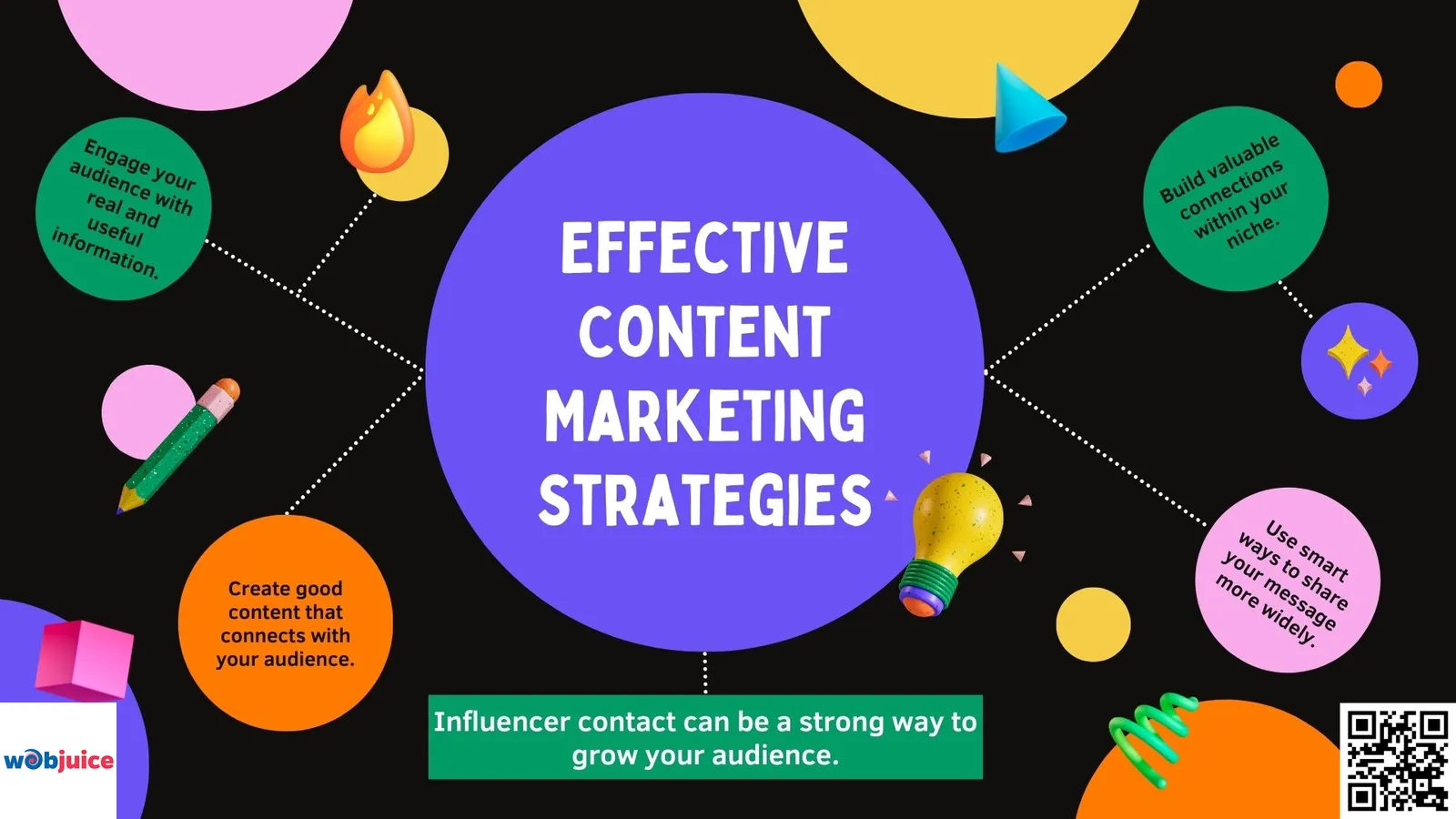
Identifying your audience and what they need is the base of good content marketing.
Create good content that connects with your audience.
Influencer contact can be a strong way to grow your audience.
Work with important influencers to reach their networks and build trust.
Use smart ways to share your message more widely.
Build valuable connections within your niche.
Write in a way that’s easy to understand.
Engage your audience with real and useful information.
Keep your content targeted and important to what your audience cares about and needs.
Target Audience Identification
To find them, look at facts like age, gender, where they live, and what they like.
This information helps to make content that connects.
Use Google Analytics and social media insights to learn about user behaviour.
Think about making audience personas.
These made-up characters show your ideal customers.
They help you see and understand what drives them.
When you understand this, you can create messages that connect with them.
This increases engagement and leads to more conversions.
Make sure to adjust your content to fit their needs, likes, and problems.
This way, you will create focused content that connects with your audience.
Quality Content Creation
Understanding what your audience wants and needs is very important.
You should change your messages to talk about their problems and offer solutions.
Use different formats to match their likes and learning styles.
The more varied your content, the more people you can reach.
Incorporate keywords that matter in your content to make it better for search engines.
Do not stuff your text with too many keywords.
Optimize your content often to keep it fresh and useful.
Remember to use a mix of blog posts, pictures, and videos.
These different formats attract different ways people learn.
Keep your content interesting and varied to keep readers engaged.
Strategic Outreach Methods
Start by knowing what your audience needs and likes.
Look for useful blogs, websites, and social media sites where they spend their time.
Create messages that feel personal and show real care for their work.
Guest blogging works well. It helps build relationships and increases your visibility.
Share special insights or facts that help their readers.
When your content is shared, you get more than just a backlink.
Share your content and tag influencers or platforms that match your message.
This starts real conversations and creates chances for working together.
These steps help your message reach your audience well.
Guest Blogging Best Practices
Here are some tips:
- Make good, new content that offers something helpful.
- Focus on what the blog’s readers need, not just on selling your business.
- This builds your trust and invites readers to connect with your brand.
- Include useful backlinks to your site carefully and fittingly.
- Add links smoothly to improve the reader’s experience without interruptions.
- Write with energy. Pick strong verbs. Keep sentences short.
This creates a uniform feel and can attract more readers.
Building Relationships With Influencers
Start by finding influencers who share your brand values and reach your target audience.
Good link building needs a smart plan to build these relationships, focusing on good quality instead of high quantity.
Engage with them in a real way.
Comment on their posts, share their content, and join in the conversations.
Once you’ve made a good connection, think about working together in ways that help both of you.
You could co-host a webinar, create content together, or just ask them to share your article.
Influencers can give valuable backlinks.
These are important for making your site’s authority better.
Search engines like sites that have good backlinks.
Measuring Link Building Success
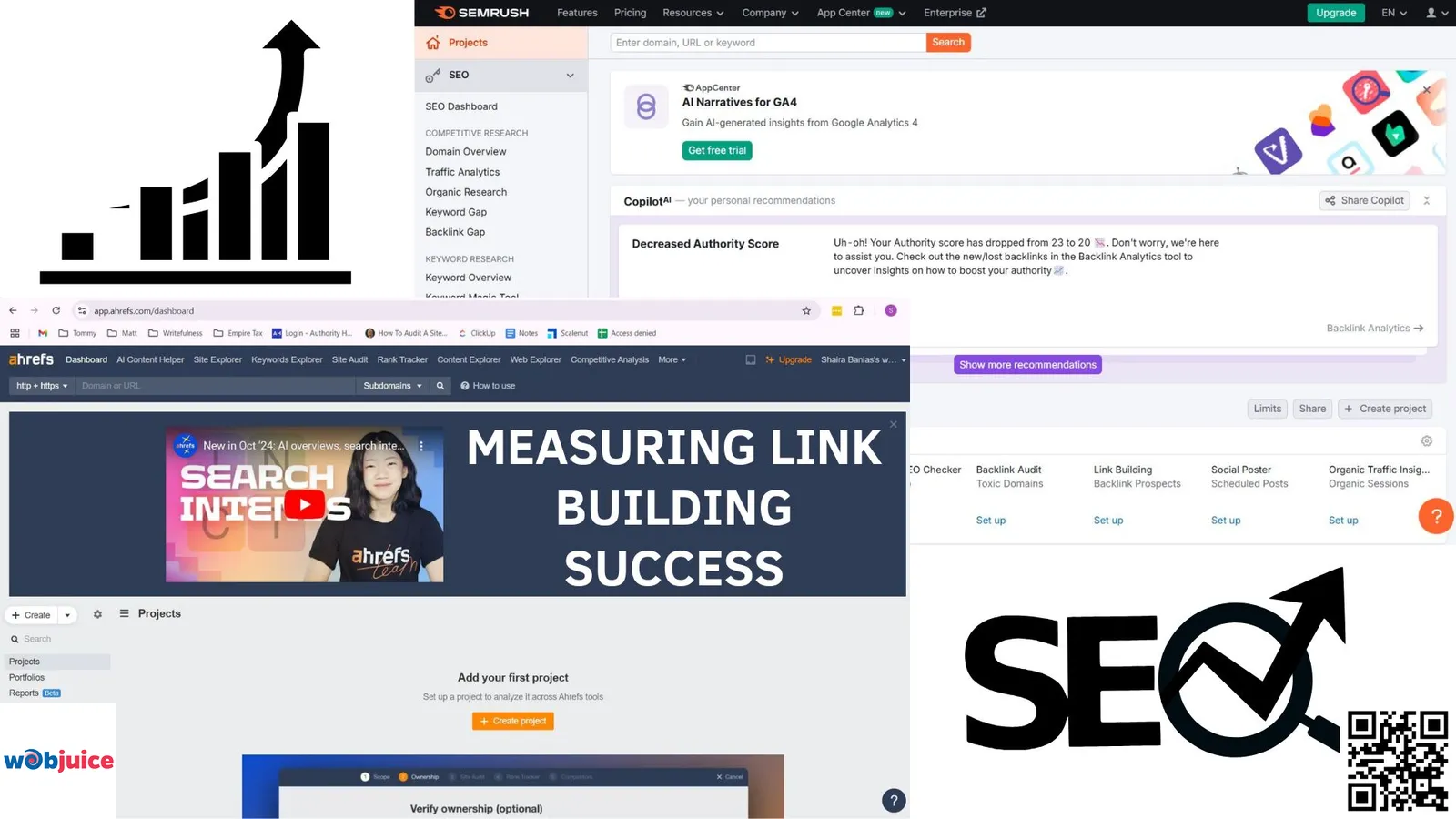
Pay attention to numbers like how many backlinks you have, the different domains linking to you, and the quality of those links.
Check how much organic traffic your website gets and where it ranks on search engines over time.
This analysis will show which link building methods work best.
For example, if guest blogging brings in steady traffic, make it a top choice for your future efforts.
Use tools like Google Analytics, Ahrefs, or SEMrush.
These platforms help you watch your backlinks, check the strength of your website, and find ways to improve.
Evaluate how important and trustworthy the sites linking to you are.
Good links can greatly help your SEO results.
Keep in mind that link building is not just about having many links; the quality is important too.
Regularly measuring how well your link building works helps you improve your method.
This boosts your online presence and increases your visibility in search engine results.
White-Hat Link Building: Detailed FAQs
Comprehensive answers to the most common questions about ethical, sustainable link building strategies that drive long-term SEO success.
What Are White-Hat and Black-Hat Link Building?
The fundamental difference between white-hat and black-hat link building lies in ethics, methodology, and long-term vision. White-hat practices are sustainable strategies that align with search engine guidelines, focusing on earning links through genuine value. This involves creating exceptional content, fostering authentic relationships, and contributing meaningfully to your industry’s online ecosystem. The goal is steady, lasting authority and organic growth.
Black-Hat Risks: Conversely, black-hat techniques attempt to manipulate search engine rankings through deceptive, shortcut-driven tactics that violate terms of service. This includes buying links in bulk, utilizing private blog networks (PBNs), engaging in link exchanges purely for SEO, and deploying automated spammy link-building software.
While these methods may yield quick but volatile results, they carry severe risks. Search engines like Google actively penalize such practices through algorithm updates (like Penguin) and manual actions, which can lead to a dramatic loss of rankings or complete de-indexing. Ultimately, black-hat SEO jeopardizes your site’s reputation and long-term viability for short-term gains.
How Long Will It Take to See Results from White-Hat Link Building?
Patience is a cornerstone of white-hat link building. Typically, you can expect to see initial tangible results within 3 to 6 months, but this timeline is highly variable. The speed of impact depends on several critical factors:
- Industry Competition: Highly competitive niches (e.g., finance, insurance, legal services) have more entrenched authority sites, making progress slower and more effortful.
- Existing Domain Authority: A new website starts from a weaker position and will take longer to gain traction than an established site with some inherent trust.
- Quality and Scale of Efforts: A consistent, strategic campaign earning one or two high-quality backlinks from relevant, authoritative sites per month is more impactful than dozens of low-quality links.
- Search Engine Crawling and Indexing Cycles: It takes time for search engines to discover new links and recalibrate their rankings accordingly.
The caliber of a single link from a top-tier industry publication can accelerate results more than numerous lesser links. Think of it as cultivating a garden rather than building a structure; growth is organic and compounds over time.
Are There Any Dangers with White-Hat Link Building?
While significantly safer than black-hat methods, white-hat link building is not without its nuanced risks and challenges:
- Resource Investment Without Immediate ROI: The most common “risk” is the commitment of significant time, effort, and budget into content creation and outreach without guaranteeing quick returns. It’s a long-term investment.
- Inadvertent Association with Bad Neighborhoods: If you don’t conduct proper due diligence, a site you earn a link from could later engage in spammy practices or be devalued by search engines, potentially affecting the value of your link by association.
- Poorly Executed Outreach: Aggressive, impersonal, or spammy outreach emails can damage your brand’s reputation within your professional community.
- Misalignment with Guidelines: Even with good intentions, certain tactics (like excessive guest posting on low-quality sites purely for links) can drift into “gray-hat” territory and attract scrutiny.
Mitigation Strategy: The key to minimizing risks lies in unwavering focus on relevance, quality, and natural acquisition patterns. Always prioritize building relationships and providing genuine value over simply acquiring links.
Can White-Hat Link Building Be Automated?
Automation should be applied tactically to support the process, not replace its core human elements.
What You CAN Automate:
- Prospecting: Using tools to identify potential link opportunities or relevant websites.
- Outreach: Streamlining initial email sequences and follow-ups (while personalizing each message).
- Tracking and Monitoring: Automatically collecting data on backlinks, rankings, and outreach performance.
What You CANNOT Automate:
- Relationship Building: Authentic connections that lead to the most valuable links require a human touch, negotiation, and mutual understanding.
- Personalized Communication: Tailoring your pitch to each website owner’s specific context and needs.
- Content Ideation & Strategy: Developing unique, valuable content ideas that resonate with specific audiences.
Remember: Automation is for efficiency; strategy and relationship-building are for effectiveness. The most successful campaigns skillfully blend technology with genuine human engagement.
What Are the Best Tools to Track White-Hat Link Building Efforts?
Professional-grade tools are essential for measuring strategy efficacy. Here are the leading platforms:
Ahrefs
A powerhouse for backlink analysis. Its Site Explorer and Ahrefs Webmaster Tools are unparalleled for auditing your backlink profile, tracking new/lost links, analyzing competitors’ link strategies, and assessing the authority of linking domains.
SEMrush
Offers a comprehensive Backlink Analytics toolkit with robust tracking, valuable competitive intelligence features, and the ability to analyze link-building trends and anchor text distribution.
Google Search Console
A critical, free tool for understanding how Google views your site. It shows which sites are linking to you, your top-linked pages, and how your search performance trends over time.
Majestic
A pioneer in link intelligence, known for its detailed Trust Flow and Citation Flow metrics, which help evaluate the quality and trustworthiness of your backlink profile.
Recommended Setup: For a complete picture, use a primary tool like Ahrefs or SEMrush for deep discovery and competitive analysis, complemented by Google Search Console for Google’s own data. This combination provides both breadth and authoritative insight into your link-building performance.
Summary
To conclude, white-hat link building is not a fleeting tactic but the definitive strategy for establishing enduring domain authority and achieving sustainable SEO success. By steadfastly adhering to ethical practices and search engine guidelines, you future-proof your website against penalties while constructing a robust backlink profile that search engines recognize and reward.
Focus on Value: Invest in creating remarkable, audience-centric content that serves as a natural link-worthy resource.
Prioritize Relationships: Build genuine connections with reputable sites and influencers in your niche to foster organic collaboration and endorsement.
Measure Strategically: Track meaningful metrics like domain authority of backlinks, organic traffic growth, and keyword ranking improvements to refine your approach.
Embrace the white-hat methodology as a core component of your digital marketing philosophy. This commitment to quality and integrity transforms link building from a passive task into a powerful engine for growth. It attracts the right audience, builds brand loyalty, and solidifies your reputation as a trusted leader in your field. Start building your legacy online—one authentic link at a time.