In the evolving landscape of digital marketing, social media signals have emerged as a critical determinant of online success. Far beyond mere vanity metrics, engagements such as likes, shares, comments, and mentions function as powerful indicators of brand relevance and authority for search engines. These signals directly influence search engine optimisation (SEO) performance, enhancing visibility and driving organic traffic. By fostering genuine audience interaction and creating compelling, shareable content, businesses can significantly amplify their digital footprint. This synergy between social engagement and SEO is not coincidental but strategic; search algorithms increasingly interpret social validation as a marker of content quality and trustworthiness. Consequently, a robust social media presence is indispensable for modern SEO. This guide delves into the mechanics of social media signals, exploring their tangible impact on search rankings and providing actionable strategies for optimisation. We will examine how to leverage these interactions to build brand authority, extend reach through influencer partnerships, and measure success effectively. Understanding and harnessing this dynamic is essential for any brand aiming to achieve sustainable online growth and a dominant competitive edge.
Key Takeaways
- Social media signals play a big role in search engine optimization. These signals consist of likes, shares, and comments on social media. They show how popular content is. Search engines use this to determine a website’s worth.
- When users interact more with content on social media, it helps brands be seen more. This higher visibility can lead to better rankings on search engines. When people share and mention things on social platforms, they create links back to websites. These links make a website’s authority better and bring more visitors.
- Search engines see engagement metrics as signs of quality. More engagement can help with SEO rankings and visibility in searches. By regularly interacting with users and making good content, brands earn trust and respect. This creates a feeling of community among users.
- Remember, social media signals are just one part of a good SEO strategy. They are important but work better when mixed with other SEO methods for the best results.
Definition of Social Media Signals
Social media signals are how users interact with content on social platforms.
This includes likes, shares, comments, and followers.
These signals show how popular and important the content is.
Optimizing your content to connect with your audience can increase interactions.
This can raise your brand’s visibility.
Social media links are important in this area.
They add extra authority and traffic to your website from different social platforms.
A high engagement rate usually shows more credibility and authority.
These things are important in today’s online world.
Importance of Social Media Signals
Social media signals are important for improving online presence and search engine rankings.
These signals show how relevant and popular content is based on user engagement such as likes, shares, and comments
Social media signals help bring more visitors to your site and build trust.
Search engines focus on content that gets a lot of social interaction.
This can affect your SEO work. A good social media presence builds credibility.
Integrating social media strategies into marketing plans helps reach more people.
Every like and share builds a strong online presence.
Brand mentions on social media can be very strong.
They raise brand awareness and affect how search engines work.
Focusing on these mentions can boost your SEO efforts.
This can lead to better conversion rates and more customer interaction.
The more you put into these signals, the better your chance for digital success.
Types of Social Media Signals

The main types of social media signals are likes, shares, comments, and mentions.
Each of these helps shape how people see and share content online.
Likes show approval and help make content more visible.
Shares increase a brand’s reach by sending messages to a larger audience.
Facebook Comments
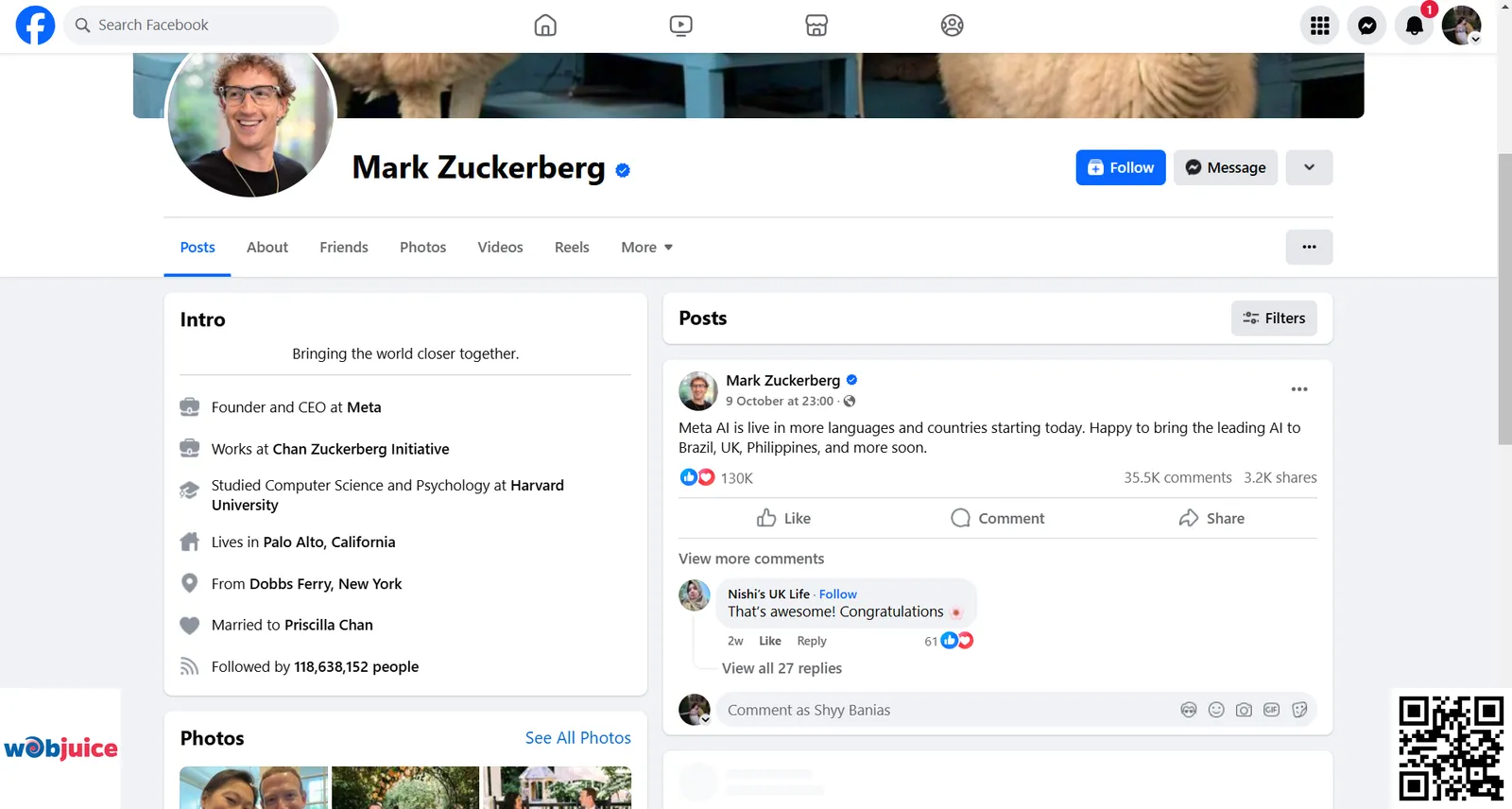
Like forum talks, comments help spark conversation and build community.
They show that people are involved and care about ideas.
Comments show that the audience is engaged and interested in ideas.
Mentions from influencers or regular users can boost trust and bring in new followers.
Each sign helps create a strong online reputation.
The timing and how often you post can affect how much people engage.
Regularly talking to your audience helps you get seen more and build trust.
Sharing good content at the right times can give you more engagement.
Impact on SEO Rankings
Social media signals can improve your social presence and, in turn, help your SEO rankings.
Off-page SEO strategies affect how search engines perceive your content.
When people share and interact with your content more, it becomes more visible and trusted.
This can improve your rank in search results.
The link between social media and SEO is important for building your online presence.
Search engines prefer content that grabs users’ attention.
They look at social signals to judge their quality and relevance.
When your content gets more shares, likes, and comments, it means people find it useful.
When someone shares your posts, it creates backlinks.
These backlinks are good for SEO.
They tell search engines that other sites think your content is valuable.
To make the most of this connection, create content that encourages sharing on social media.
Use strong headlines and eye-catching images.
Engage with your audience on these platforms.
Reply to comments and questions.
Engagement Metrics Influence Rankings
High engagement rates show search engines that your content connects with users.
This means it is of good quality and relevant.
Metrics such as likes, shares, comments, and time spent on a page are key in this evaluation.
When people engage with your content, they are not just taking in information; they are also checking its worth.
Search engines favour content that users find interesting and helpful.
So, if you can get strong interaction, you will improve your chances of rising in search rankings.
Moreover, keeping track of these measurements lets you improve your plan.
By looking at which posts get the most attention, you can adjust your content to fit what your audience likes.
This ongoing practice makes users happier and also strengthens your authority in your area.
Content Sharing Boosts Visibility
Content sharing helps you be more visible online.
When you share your content on social media, it reaches more people.
This extra visibility can make your SEO rankings better.
Search engines, like Google, prefer content that gets shared on social media.
When a person shares your post, it creates a chance for natural backlinks.
These backlinks are important for SEO. They show search engines that your content is valuable.
Social media shares help bring specific visitors to your website.
This boosts user engagement and reduces bounce rates.
Both of these factors affect your rankings.
To get the best from sharing content, make high-quality and engaging posts.
Ensure it connects with your audience.
Add buttons for social media and write strong calls to action.
The more people share your content, the more visible you will be.
Share your content wisely.
This will boost your brand’s presence and help your SEO performance.
Social Signals and Authority
Social media shares not only help people see your content but also boost your site’s trust.
When users interact with your posts on sites like Facebook or Instagram, they tell search engines that your information is useful.
Search engines like Google see social signals as part of their ranking process.
Even though they do not rank your site only because of social shares, these actions can bring in traffic.
When you regularly create content that people want to share, you boost your visibility and authority.
Each like and share acts as a vote of confidence.
This encourages more people to link to your site.
Having a strong social media plan can boost your SEO results.
When you create fun and shareable content, you are not only improving your site’s authority.
You are also setting up for long-term growth in your online presence.
Building Engagement Strategies

Focus on making content that connects with your audience.
Get users to participate by using posts and discussions that are interactive.
When you want to connect with influencers, learn how to approach key people in your field.
This method will help you grow your reach and trust among your target audience.
Use influencer partnerships to expand your reach.
Use clear and simple language. Avoid extra words.
Pick strong verbs. Keep sentences short. Use UK spelling in your content.
Crafting Compelling Content
To do this well, you must know your target audience very well. Look into their likes, struggles, and dreams.
This information helps you make content that talks to them directly.
Incorporating storytelling can improve how your content appeals to others.
People are drawn to stories because they make your message feel relatable and stick in their minds.
Use strong images and lively words that create feelings, making your audience feel connected.
It is important to make your content better for search engines.
By using the right keywords that your audience is looking for, you can show up more in searches online.
Updating your content often keeps it new. It also shows search engines that your site is active.
You should also think about using different formats, like videos, infographics, and podcasts.
By mixing up your content, you can connect with more people.
Ultimately, good content not only keeps people interested but also shows your expertise in your field.
This makes it a key part of good SEO plans.
Encouraging User Participation
Fostering a community feel is important to encourage people to join in on online platforms.
When users feel linked, they engage more, share more, and come back often.
Make content that matches your audience’s interests and values.
Ask questions that require more than a yes or no answer to spark conversation and get opinions.
User-generated content helps get more people involved.
Ask your followers to share their stories about your brand and show their input.
Hosting contests or giveaways helps get people involved.
You can use polls or surveys to collect opinions.
Remember to use UK spelling in your text.
Do not use lists, because they can interrupt the flow of your sentences.
Instead, focus on clear and simple sentences that share your message well.
Bold answers, not keywords, to highlight important points.
Encouraging people to take part is very important for growing a successful online community.
When you use these strategies, you can make a place that is more fun and interactive for your users.
Leveraging Influencer Partnerships
To make the most of these partnerships, you need to find influencers who share your brand’s values.
Look at things like engagement rates, the makeup of their audience, and the style of their content.
After you find a good fit, work together on campaigns that get users involved.
This could mean giveaways, Q&A sessions, or live events.
These activities can create excitement, start discussions, and boost engagement in the end.
Using influencers for SEO can help your brand online.
When influencers share what you create, it can lead to more backlinks and better search engine rankings.
This visibility can bring in new users and boost your credibility in the market.
Measuring Social Media Success
Tracking key metrics is very important for seeing how well you are doing on social media.
Brands that want to do well online need to pay attention to engagement rates, reach, and how many people take action.
These key signs show how much your audience connects with your content.
On-page SEO methods can help your social media reach.
They do this by making your content more visible and related to what people want.
Look at engagement metrics like likes, shares, and comments to see how well your posts are doing.
Reach tells you how many people saw your content.
The conversion rates show how many of them did things you want them to do, such as signing up for a newsletter or buying something.
Analytics tools make this process easier.
Platforms like Google Analytics and social media insights give useful information.
Look at this information to see what works and what doesn’t.
This will help you smartly improve your strategy.
Best Practices for Optimization
To improve your social media presence, look at these five best practices.
- First, always share good content that connects with your audience. Nice images and good captions can boost interaction rates.
- Second, use analytics tools to check your performance. By knowing what works and what does not, you can improve your strategy better.
- Third, connect with your audience actively. Reply to comments, ask questions, and bring up talks. This interaction will build community and also raise your visibility on platforms.
- Fourth, use hashtags wisely. Look up popular hashtags that fit your content. This will help more people find your posts and connect with new audiences.
- Lastly, work with people who are important in your field. Teaming up with these figures can boost your message, bring more visitors, and build trust.
Using these good practices can greatly help your social media strategy.
This can boost brand awareness and make customers more loyal.
Social Media Signals & SEO: Frequently Asked Questions
Are social media signals a direct Google ranking factor?
How can small businesses with limited resources leverage social signals for SEO?
What type of social media content generates the strongest signals for SEO?
How do I measure the SEO impact of my social media efforts?
Is it better to have a few highly engaged followers or thousands of passive ones for SEO?
Summary
Social media signals greatly help SEO strategies and online visibility.
Mastering the Synergy Between Social Media and SEO
To summarise, social media signals are a fundamental component of a modern, holistic SEO strategy. They serve as a vital conduit for increasing brand visibility, building domain authority, and driving qualified traffic. The journey begins with crafting high-quality, audience-centric content designed to spark conversation and encourage sharing. Actively fostering community through prompt engagement and strategic influencer collaborations further amplifies your reach and credibility.
Crucially, these efforts must be continuously measured and refined. Analysing engagement metrics allows for data-driven optimisation, ensuring your resources yield the highest possible return on investment. Remember, while social signals are powerful, they are most effective when integrated with other SEO best practices, such as technical site health and authoritative link building.
By committing to an authentic and consistent social engagement strategy, you do more than just improve search rankings. You build a loyal community, enhance brand trust, and create a resilient online presence that supports long-term business growth. Start prioritising these meaningful connections today to unlock sustained digital success.