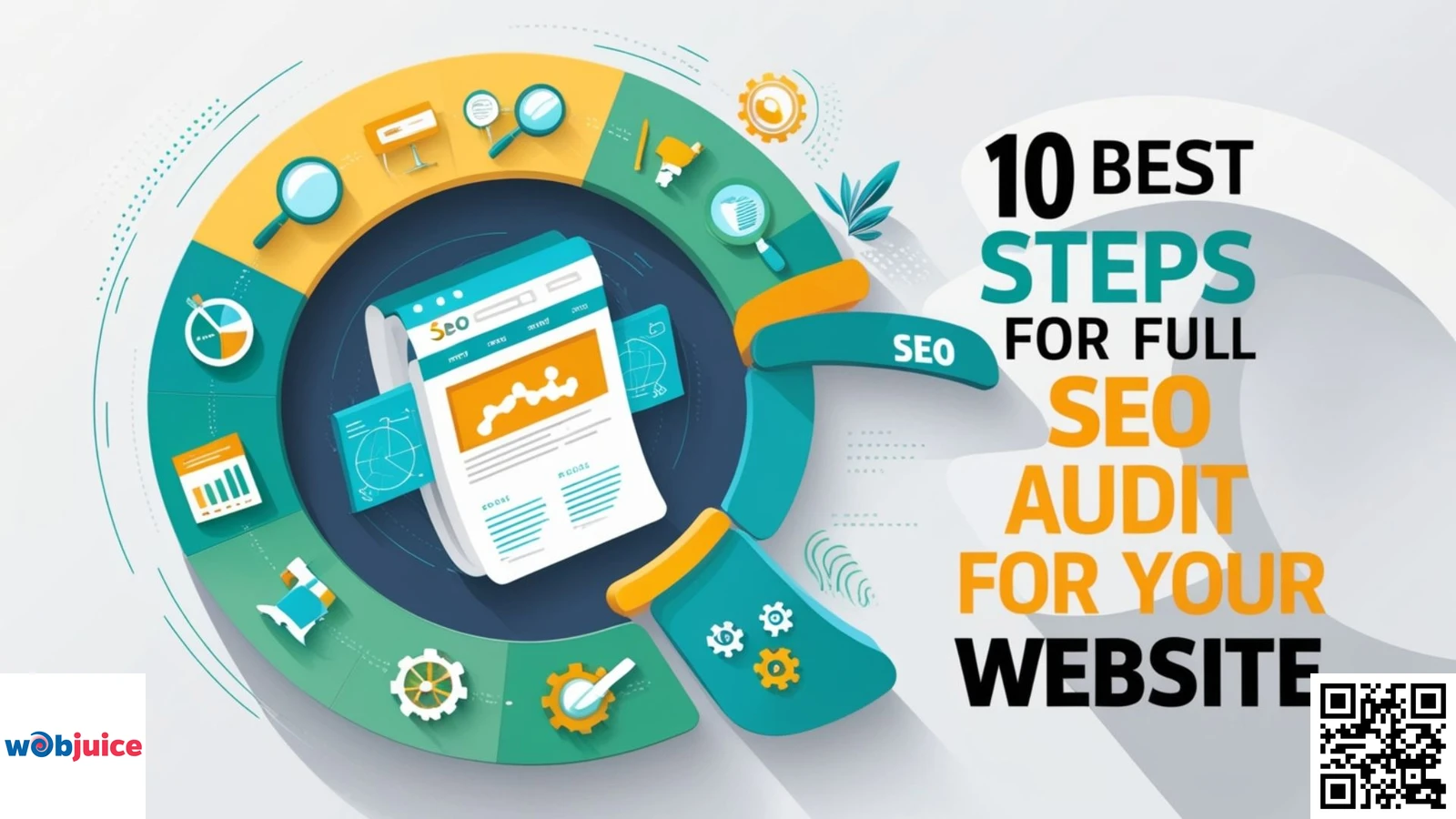
In the dynamic arena of digital visibility, is your website truly maximizing its potential in search results, or are hidden critical issues silently undermining your rankings and restricting your growth? The path to sustained online dominance begins not with guesswork, but with a strategic, systematic examination. This comprehensive guide unveils the exact 10-point SEO audit framework utilized by industry experts to transform underperforming websites into powerful traffic engines. We will meticulously deconstruct the pillars of elite search performance, from foundational technical health and razor-sharp on-page elements to intuitive site architecture, authoritative content, and a robust backlink profile. Beyond theory, this actionable checklist delivers a clear roadmap to diagnose ranking roadblocks, capitalize on competitor weaknesses, and align every facet of your site with search engine algorithms and user intent. Prepare to move beyond superficial fixes and embark on a deep dive that empowers you to unlock measurable improvements in organic visibility, user engagement, and conversion-ready traffic. The journey to claim your rightful position at the top of the SERPs starts here.
Key Takeaways
- The best steps for a full SEO audit are to check website performance, look at on-page elements, evaluate site structure, analyse content, and review backlink profiles.
- Start by looking at your website’s technical SEO. See how fast it loads and if it works well on mobile devices. Check how people use your site. These things change how users feel about your website.
- Next, check your on-page SEO. This means looking at title tags and meta descriptions. Make sure your content is good and useful. These things help increase click-through rates.
- Then, check your site’s structure. Make your URL setup better. Make sure your menu design is simple to use. This helps people move around your site more easily.
- After that, look at your content and check the keywords. Make great content that fits what your audience wants. Use good keyword methods to boost your SEO.
- Lastly, check your backlinks. Look at the variety of anchor text you use. Strong, high-quality backlinks and balanced anchor text will improve your SEO success.
Analyse Website Performance
Start by looking at how fast your site loads.
Use Google PageSpeed Insights to find problems.
Slow sites can make visitors leave and lose traffic.
A technical SEO audit can help you find and fix issues with performance.
Next, check if your site works well on mobile.
Many people use smartphones and tablets to browse.
Your site needs to look good and work properly on these devices.
Look at where your traffic comes from.
Google Analytics can tell you if visitors find you through organic search, social media, or referrals.
Evaluate user engagement numbers.
Check bounce rates and average session length.
High bounce rates might mean your content does not connect with visitors.
These signs help plan strategies to improve visibility in search engines.
Review On-Page SEO Elements
The important parts of on-page SEO for improving how a website appears are title tags, meta descriptions, headings, image alt text, content quality, and internal linking.
On-page SEO elements help search engines understand your content.
Look at your title tags and meta descriptions first.
They should be different and connected to what you are showing.
Regular SEO content audits are very important.
They help your website perform better in search results.
Next, look at your headings. Use H1, H2, and H3 tags correctly.
Place your main keyword in the H1 tag.
Also, check your images. They need descriptive alt text with important keywords.
Content quality is important. Your text should engage and inform readers.
Use keywords wisely, but don’t overload. Create a natural flow that connects well with your audience.
Lastly, keep in mind internal linking.
This method helps users find their way around.
Check Site Architecture
You look at site structure by checking your URL setup, navigation menu, internal links, and the way content is arranged.
Making your URL structure better and having a clear navigation menu helps users.
It also makes search engines index your site better.
A complete SEO audit should look closely at how your site is organized.
This is important for how users feel and for search engine crawlers.
Focusing on these elements can improve how people see and use your site.
This will lead to more visitors coming to your website.
URL Structure Optimization
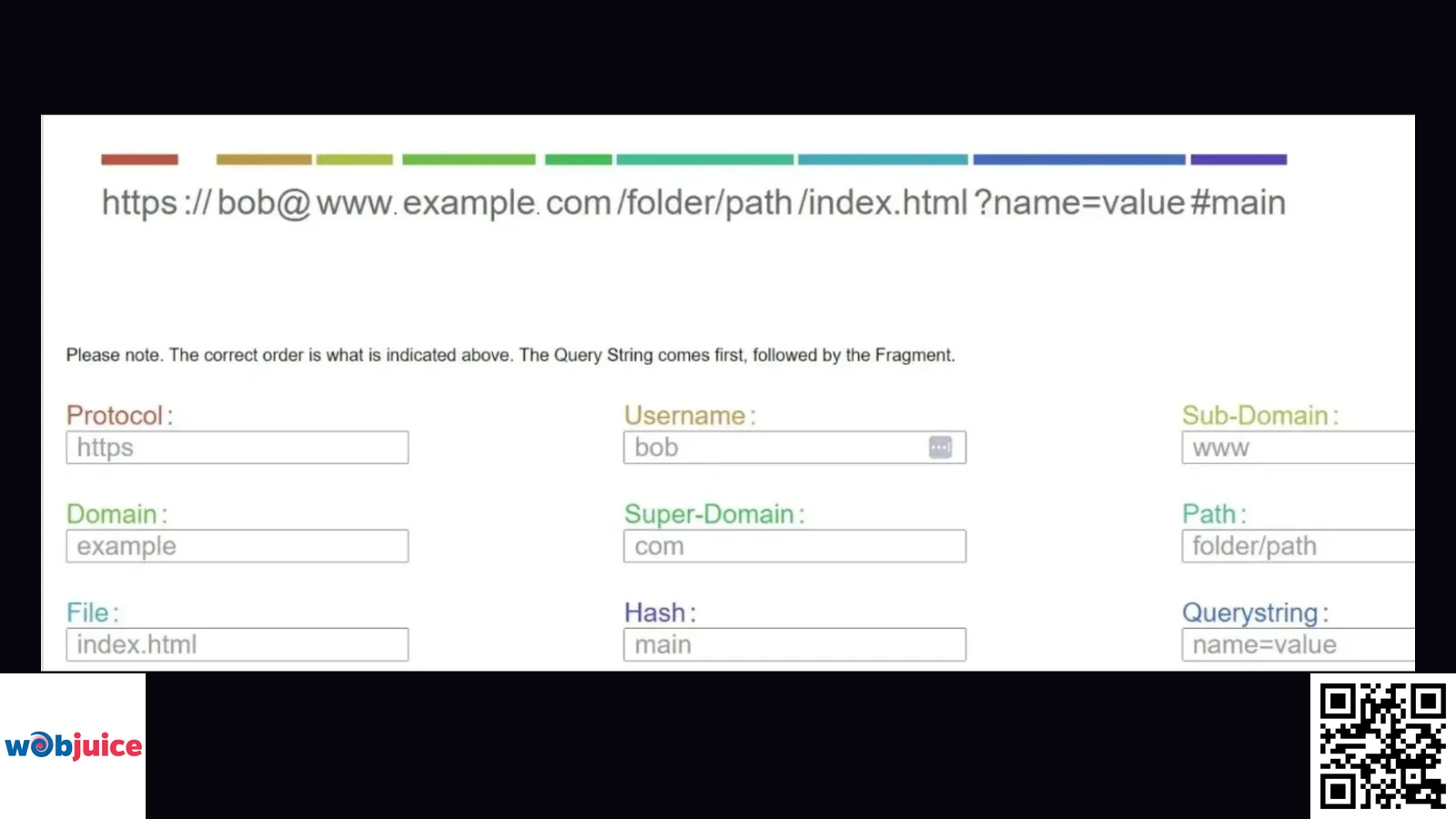
Well-structured URLs are good for user experience and help with search engines.
Make clear and short URLs with words that show what the page is about.
This helps users and search engines know what they will find.
Avoid using too many parameters or numbers. They can confuse both users and search engines.
Use a simple structure that reflects your site. This will help search engines find and index your content better.
Use hyphens to split words for better reading. Do not use underscores.
Search engines might misunderstand them.
Keep URLs short but make sure they show the content well.
Navigation Menu Clarity
A clear navigation menu is important for a smooth website experience.
It helps lower bounce rates and boost conversions.
It allows visitors to find what they need quickly and easily.
When you design your site layout, focus on being clear and simple.
Your menu should be easy to use, with categories that are clear to your audience.
Use clear labels that show what is in each section.
For example, instead of using broad terms like “Products,” use specific ones like “Men’s Clothing” or “Electronics.”
This clarity improves how users feel when they visit your site. It also helps with SEO.
Evaluate Content Quality
Content quality can be effectively judged by looking at several important factors that show its worth and relevance.
First, check if your content meets the needs and expectations of the people you want to reach.
Good content should answer people’s questions and provide solutions, improving their experience on your site.
On-page SEO audit is very important for making your website work better and be seen more in search results.
Next, look for originality. Similar or copied content can hurt your rankings and trust.
Make sure your content is different and offers something good for your niche.
Also, think about how easy it is to read. Is your content simple to understand?
Use clear words, divide big sections of text, and add subheadings to help with navigation.
Furthermore, check how deep your content is.
Well-written articles that cover topics fully usually do better in search rankings.
Assess Backlink Profile
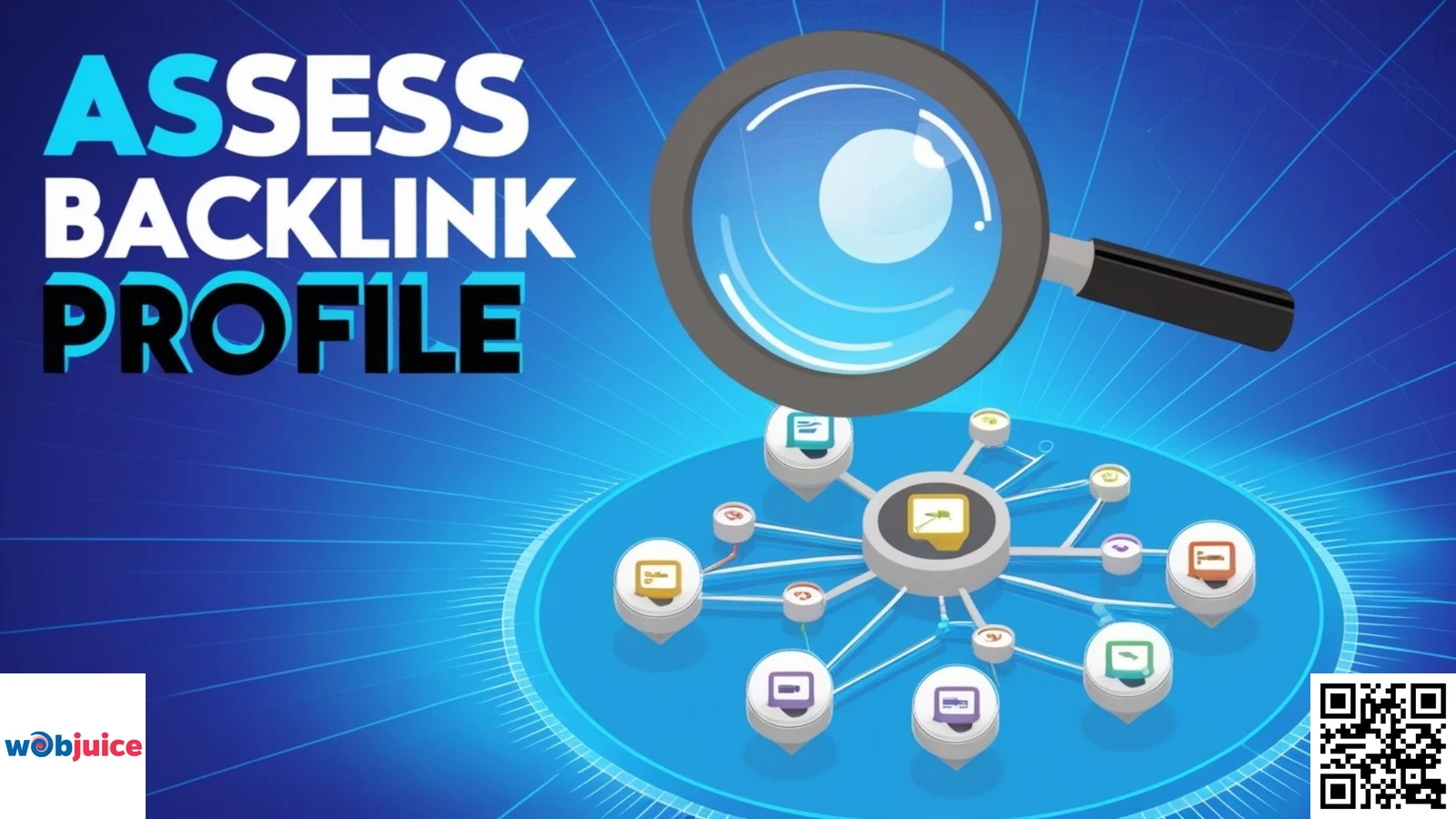
Looking at your backlinks is important to know how strong and visible your site is.
To check your backlinks, pay attention to how good they are and the variety in your anchor text.
These things have a big effect on your SEO results.
You should use good link-building strategies to improve your backlinks.
By changing these parts, you can raise your search rankings.
Quality backlinks from reliable sources are more important than many low-quality links.
A mix of anchor text helps search engines grasp the meaning of your content.
Regular backlink checks can help you find and get rid of bad links.
Use tools like Google Search tools or other SEO software to look at your backlinks.
Focus on the strength of the sites that link to you and how relevant those pages are to your content.
Quality of Backlinks
Many important factors decide how good your backlinks are.
These factors greatly affect your site’s trust and where it ranks in search engines.
The authority of the linking sites is very important.
Sites with high authority can increase your link’s trust.
On the other hand, sites with low authority can hurt your reputation.
Links from websites in your area show search engines that your content is reliable and useful.
This improves your position in search results.
Anchor text is important as well. Good anchor text can improve your site’s visibility for certain keywords.
However, too much optimized or unrelated anchor text may cause problems with search engines.
Be careful of bad backlinks. Links from spammy or low-quality sites can lower your rankings.
Make sure to have a healthy backlink list.
This helps your website do well over time.
Anchor Text Diversity
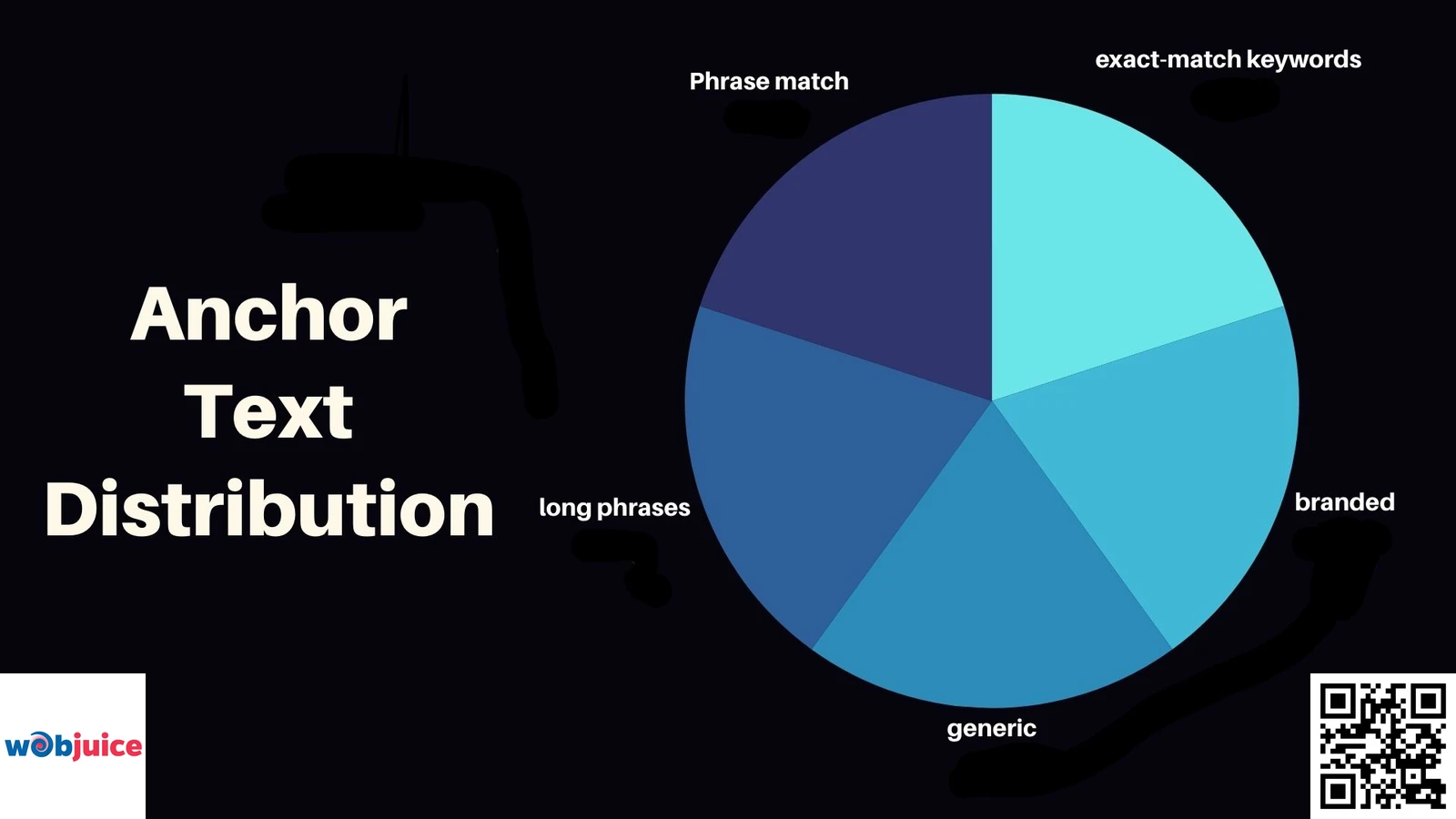
Anchor text variety is important for SEO success and website trust.
When you check your backlinks, look at the types of anchor texts used.
If you have too many exact-match keywords, it can raise alarms with search engines and hurt your rankings.
Aim for a good mix of branded, general, and long phrases for your anchor text.
Branded anchors support your business name.
Using different anchor texts helps create a more natural link-building plan.
It increases your chances of ranking higher.
By using a varied anchor text strategy, you are not only satisfying search engines.
You are also creating a strong online presence that attracts and retains visitors well.
Monitor Technical SEO Issues
Make sure to look at your technical SEO issues often.
You need to fix these problems to keep your website strong in search rankings.
These issues can harm how people see your site and their experience on it.
Look for broken links or 404 errors. These can annoy users and show search engines bad website care.
Technical SEO audits are important for finding and fixing these tech problems quickly.
This helps your site remain good for both search engines and users.
Check if your website works well on mobile.
Many users visit sites using their phones, so it’s important to have a design that adjusts.
Page speed is important. Pages that load slowly can lead to many people leaving your site quickly.
Use Google PageSpeed Insights to make your site better.
Check your site’s XML sitemap and robots.txt file.
Keep an eye on your website’s HTTPS status. Security is important.
An SSL certificate helps your ranking and builds trust with visitors.
Conduct Keyword Analysis
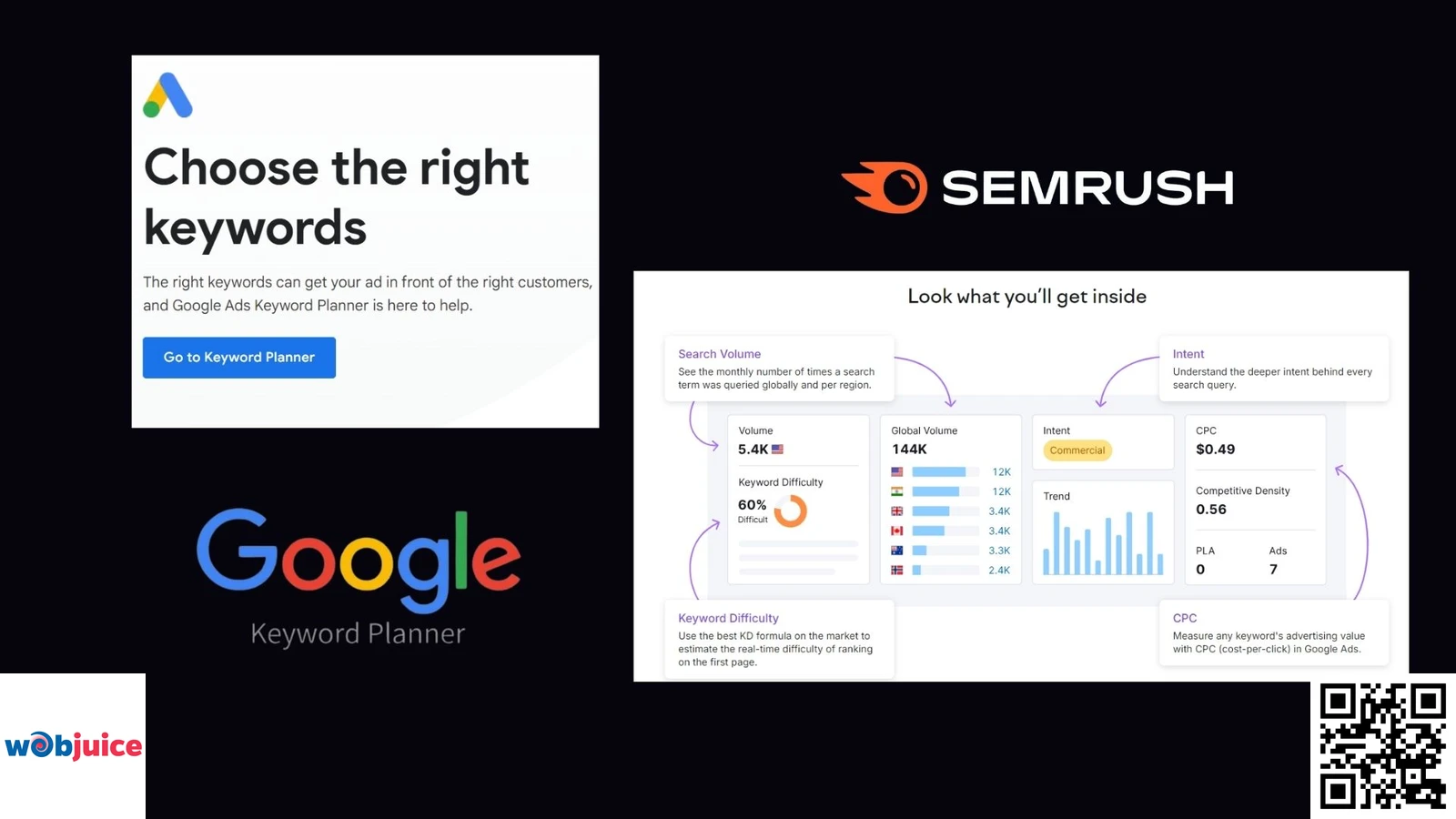
Keyword analysis is very important for improving your website’s content and how visible it is.
It helps you know what words your audience uses when they look for products or services similar to yours.
Start by thinking of important words related to your area.
Use tools like Google Keyword Planner or SEMrush to grow your list.
Check the search rates and how much competition there is.
Next, group your keywords into main and extra types.
The main keywords should match what you primarily offer.
Extra keywords help your content and bring in more visitors.
Add these keywords in a smooth way to your titles, headings, and text.
Analyze Competitor Strategies
Looking at what your competitors do can improve your SEO work a lot.
Knowing what they do well and what they lack helps you find gaps in your plan and take chances to build your online presence.
Start by checking their keywords.
Use tools like SEMrush or Ahrefs to learn about their keyword use.
Think about targeting related or longer keywords to increase your visibility.
Don’t ignore their backlinks.
This can show good chances for partnerships or important sites you may want to aim for.
By looking closely at your competitors, you can create a better SEO strategy.
Review User Experience
Review the user experience by checking how easy it is to navigate the site, how well it works on mobile, and how fast the pages load.
These things are very important for keeping visitors happy and getting them to engage.
Good site navigation helps users find what they need easily.
Mobile-friendly design is important for the many people using phones.
Improving page load speed can lower the number of visitors who leave quickly.
It also makes sure your site works well on mobile devices.
Fast-loading pages keep users interested.
All these parts improve user satisfaction and engagement.
Site Navigation Efficiency
Good site navigation helps visitors have a smooth experience on your website.
When people can quickly find what they need, they will stay longer and may become customers.
Start by looking at how your site is set up.
A clear structure and different categories make a big change. Your main menu should show key areas.
Breadcrumbs are helpful. They let users know where they are on your site and help them go back easily.
Also, think about how you link to other pages.
Review your menu labels and make sure they are easy to understand.
If visitors can’t figure out what “Services” means, they may leave feeling frustrated.
Test your navigation on different devices and browsers.
Track user behaviour using analytics tools.
You can check metrics like bounce rates and the time people spend on pages.
Mobile Responsiveness Check
Mobile responsiveness is important.
More people use smartphones and tablets to browse the internet.
Your site should function well on every device.
Test it on different screens. Look at text size, how images fit, and if buttons are easy to access.
People should move around easily on any device.
Google likes websites that work well on mobile devices.
A good responsive design helps improve SEO.
If your site appears messy on mobile, visitors may leave. This can raise your bounce rate.
Page Load Speed
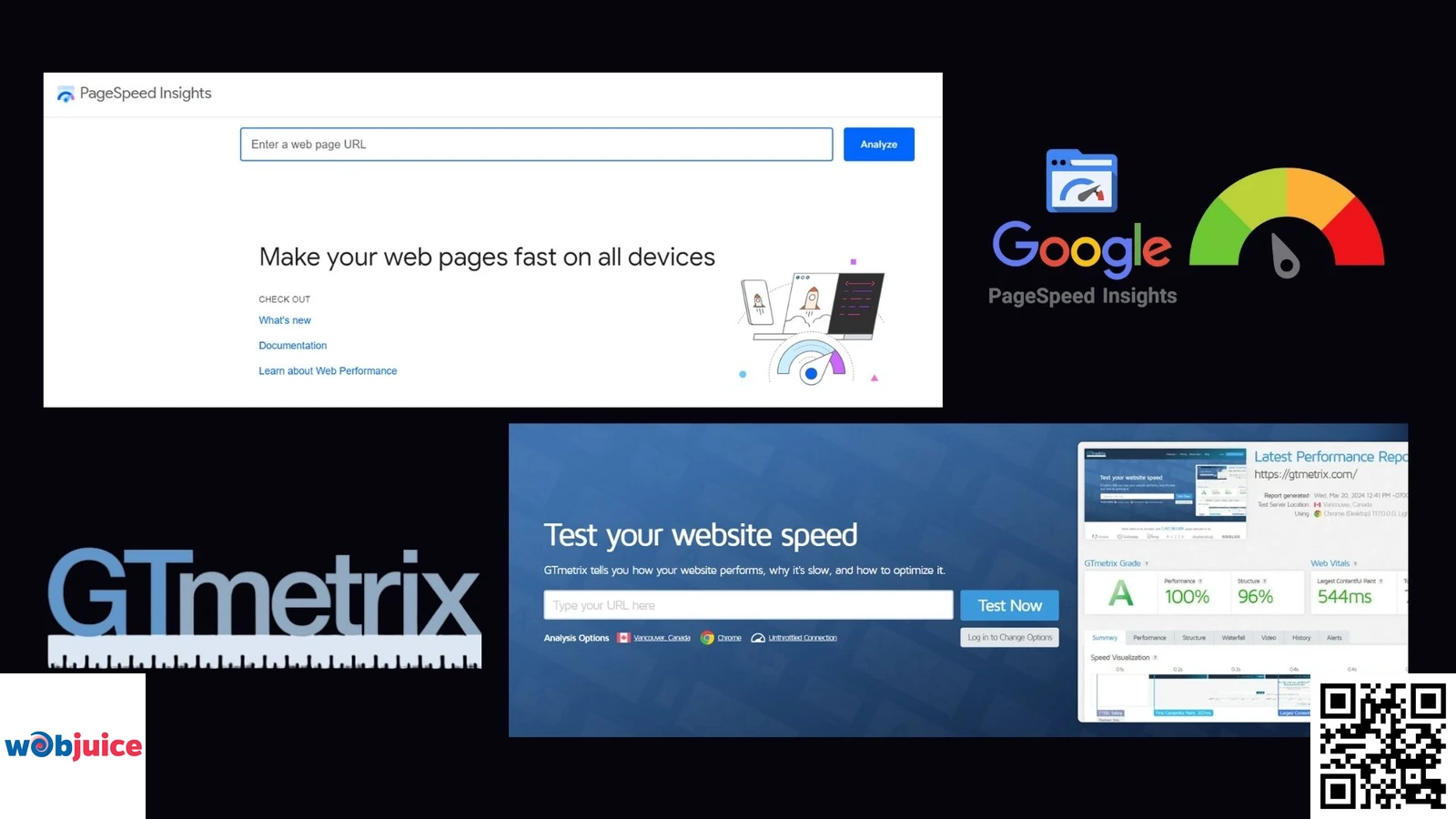
Page load speed is how long a webpage takes to show all its content.
A fast load time is important for users and SEO.
Users want pages to load in less than three seconds.
To make your page load faster, first check how long it takes now.
You can use tools like Google PageSpeed Insights or GTmetrix.
Some common problems are large images, too much JavaScript, and heavy CSS files.
You can make your site faster by compressing images and improving your code.
Using browser caching and Content Delivery Networks (CDNs) will also help send content out quickly.
Set Up Tracking and Reporting
Set up tracking and reporting to see how your SEO is doing.
Without this, you can’t find out what is working.
Start with Google Analytics. It shows you useful information about your website’s visitors, how they act, and how many people take action.
This strong tool helps you know how good your SEO plans are.
Next, set up Google Search Console. It gives important data about how your site shows up on Google search results.
You will get information about how your keywords are doing, any indexing problems, and click-through rates.
Check these numbers often to see trends and find ways to improve.
Consider using tools like SEMrush or Ahrefs for deeper analysis.
They can help you track your keyword rankings, backlinks, and how well other businesses are doing.
Frequently Asked Questions
Expert answers to common questions about technical SEO audits, frequency, implementation, and professional services
Why is a technical SEO audit the most critical first step in an SEO audit?
A technical SEO audit is the essential foundation because it ensures search engines can effectively crawl, index, and understand your website. No amount of brilliant content or powerful backlinks can rank if technical barriers—like slow page speed, poor mobile responsiveness, crawl errors, or insecure connections (non-HTTPS)—block access.
Think of it as building a house: technical SEO is the solid groundwork and structure. By first resolving these core issues using tools like Google PageSpeed Insights and Search Console, you create a stable, fast, and accessible environment. This allows all subsequent on-page and off-page SEO efforts to be properly recognized and rewarded by search algorithms, leading to sustainable improvements in rankings, user experience, and organic traffic.
How often should I conduct a comprehensive SEO audit for my website?
For most active websites, we recommend a full comprehensive SEO audit at least twice a year. However, specific components require more frequent checks:
- Technical & Performance: Monitor monthly using tools like Google Analytics and Search Console
- Content & Keywords: Review quarterly to align with search trend shifts and competitor updates
- Backlink Profile: Check monthly for toxic or spammy links that could trigger penalties
Additionally, conduct an immediate audit after any major website migration (platform, design, URL structure), significant algorithm update announced by Google, or a sudden drop in organic traffic or rankings. This proactive, tiered approach ensures you catch issues early and maintain consistent search visibility, adapting swiftly to the dynamic digital landscape.
What’s the difference between an SEO audit and ongoing SEO management?
An SEO audit is a diagnostic, in-depth snapshot of your website’s health and performance at a specific point in time. It’s a structured investigation to identify critical issues, gaps, and opportunities across technical, on-page, and off-page factors. It provides a prioritized action plan.
Ongoing SEO management is the continuous treatment and optimization based on that audit’s findings. It involves the regular execution of tasks like content creation, keyword optimization, link building, performance tracking, and algorithm adaptation.
Key distinction: The audit tells you what to fix and where to go; ongoing management is the process of doing the work and monitoring progress. Both are indispensable: the audit sets the strategic roadmap, and management drives the tactical execution for long-term organic growth.
Can I perform a DIY SEO audit effectively, or do I need a professional?
You can perform a basic DIY audit using free tools (Google Analytics, Search Console, PageSpeed Insights) to identify glaring technical issues, review meta tags, and analyze top-performing content. This is a valuable starting point for awareness and minor websites.
However, a professional, expert-led SEO audit is recommended for accuracy, depth, and strategic insight. Professionals bring:
- Advanced diagnostic tools and software
- Experience interpreting complex data patterns
- Knowledge of latest algorithm nuances and updates
- Ability to conduct thorough competitive backlink and gap analyses
Experts can distinguish between symptoms and root causes, providing a prioritized, actionable strategy that saves significant time and resources while mitigating the risk of costly errors. For businesses where organic search is a primary growth channel, the ROI of a professional audit is typically substantial.
After an SEO audit, what should be my top priority for implementation?
Your top priority should always be addressing “critical errors” that directly hinder crawling, indexing, or user safety. This typically means fixing issues identified in the Technical SEO section first.
Priority Implementation Order:
- Security & Access: Ensure your site uses HTTPS and has no critical crawl blocks in robots.txt
- Indexability: Resolve major crawl errors (404s, 500s) and ensure key pages are not blocked from indexing
- Core Web Vitals & Mobile Usability: Improve largest contentful paint (LCP), eliminate intrusive interstitials, and ensure full mobile responsiveness
- Site Architecture: Fix broken internal links and streamline navigation
Addressing these foundational problems creates a stable platform. Then, prioritize high-impact on-page fixes (like optimizing title tags for high-traffic pages) and begin content gap corrections. This sequential approach ensures that your subsequent efforts are built on a solid, functional foundation for sustainable SEO success.
Summary
A strategic, thorough SEO audit is the critical catalyst for transforming your online presence from invisible to undeniable. By systematically examining the five core pillars—Technical Performance, On-Page Optimization, Site Architecture, Content Quality, and Backlink Authority—you shift from reactive guessing to data-driven mastery.
Key Takeaways for Immediate Action:
Prioritize Technical Health: Ensure mobile responsiveness, core vitals, and crawlability for a strong foundation.
Optimize for Users & Engines: Craft compelling title tags, meta descriptions, and high-quality, keyword-informed content.
Build a Logical Structure: Implement clear navigation and a clean URL hierarchy to enhance user experience and indexing.
Cultivate Authoritative Signals: Develop a natural, high-quality backlink profile with diverse anchor text.
Measure & Iterate: Establish consistent tracking and competitor analysis to refine your strategy continuously.
Don’t allow hidden flaws to cap your growth. Implementing this holistic audit framework empowers you to eliminate ranking barriers, accelerate organic traffic, and build a website that consistently converts visitors into customers. Begin your audit today and own your search destiny.