In the competitive landscape of e-commerce, your product page is far more than a digital storefront—it is your most critical salesperson, your primary trust-builder, and your gateway to higher search engine visibility. Yet, many businesses overlook its full potential, settling for mediocre visuals and generic copy that fail to convert visitors into loyal customers. To truly excel, a product page must seamlessly blend persuasive marketing with technical precision, creating an experience that is as intuitive as it is compelling.
This definitive guide distills the essential strategies for crafting a high-converting, SEO-optimized product page. We will explore the foundational role of stunning, high-resolution imagery in capturing attention and building credibility. You will learn how to write product descriptions that do more than list features; they connect with customer desires and incorporate strategic keywords naturally. Crucially, we address the non-negotiable importance of mobile optimization and page speed, factors that directly impact user satisfaction and Google rankings.
Beyond aesthetics and technical performance, we delve into the powerful psychology of social proof. Discover how to strategically showcase authentic customer reviews and prominent ratings to dismantle buying hesitation. We also cover the critical details that foster transparency: clear pricing, visible security badges, and simplified navigation. Finally, we outline how to implement data-driven SEO practices, from meticulous keyword research to meta description optimization, and how to pair them with strong, action-oriented calls-to-action (CTAs). By integrating these ten core elements, you will transform your product page into a dynamic tool that not only ranks higher but also drives sustained revenue growth.
Key Takeaways
- Use good-quality pictures to help people feel interested and trust your products. This means showing different angles and lifestyle images.
- Write clear product descriptions that show important features and benefits.
- Add keywords to help with SEO.
- Show prices clearly and point out any discounts.
- Give details about shipping costs to build trust.
- Make sure product pages work well on mobile with quick loading times and responsive design.
- Create touch-friendly layouts for a better experience.
- Include trust signals like customer reviews, security badges, and clear return policies. This helps build trust and encourages buyers to make purchases.
Use High-Quality Images
High-quality images catch attention, build trust, and show that you are professional.
Clear and bright visuals engage customers and make them want to explore more.
These images share your brand’s story, so they are essential for your business.
E-commerce SEO tips often highlight how important visuals are for increasing sales.
Your images need to be at least 1000 pixels wide so they look clear on all devices.
Take pictures from different angles, close-ups, and lifestyle shots.
This will help show the product better and make shopping easier for everyone.
Write Compelling Product Descriptions
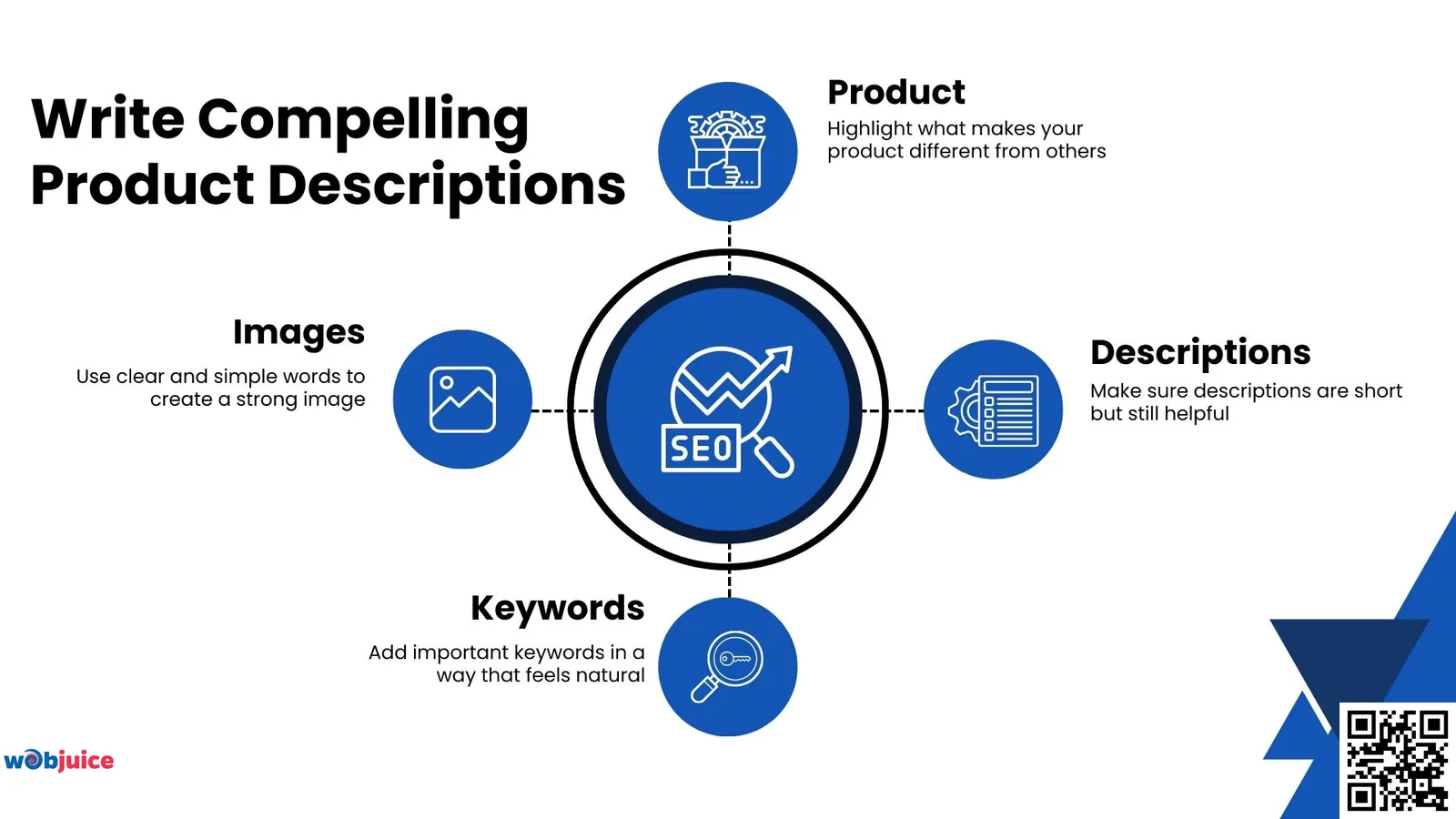
Begin by pointing out important features and benefits.
This shows customers what makes your product valuable.
Use clear and simple words to create a strong image.
Help your audience see themselves using the product.
Customer reviews can improve your product’s trustworthiness and attractiveness.
Add important keywords in a way that feels natural.
This helps your product show up better on search engines.
Make sure descriptions are short but still helpful.
Highlight what makes your product different from others.
Think about using customer reviews or content created by users.
Make people feel urgency with phrases like “limited stock” or “exclusive offer.”
This helps motivate customers to act fast.
Optimize for Mobile Devices
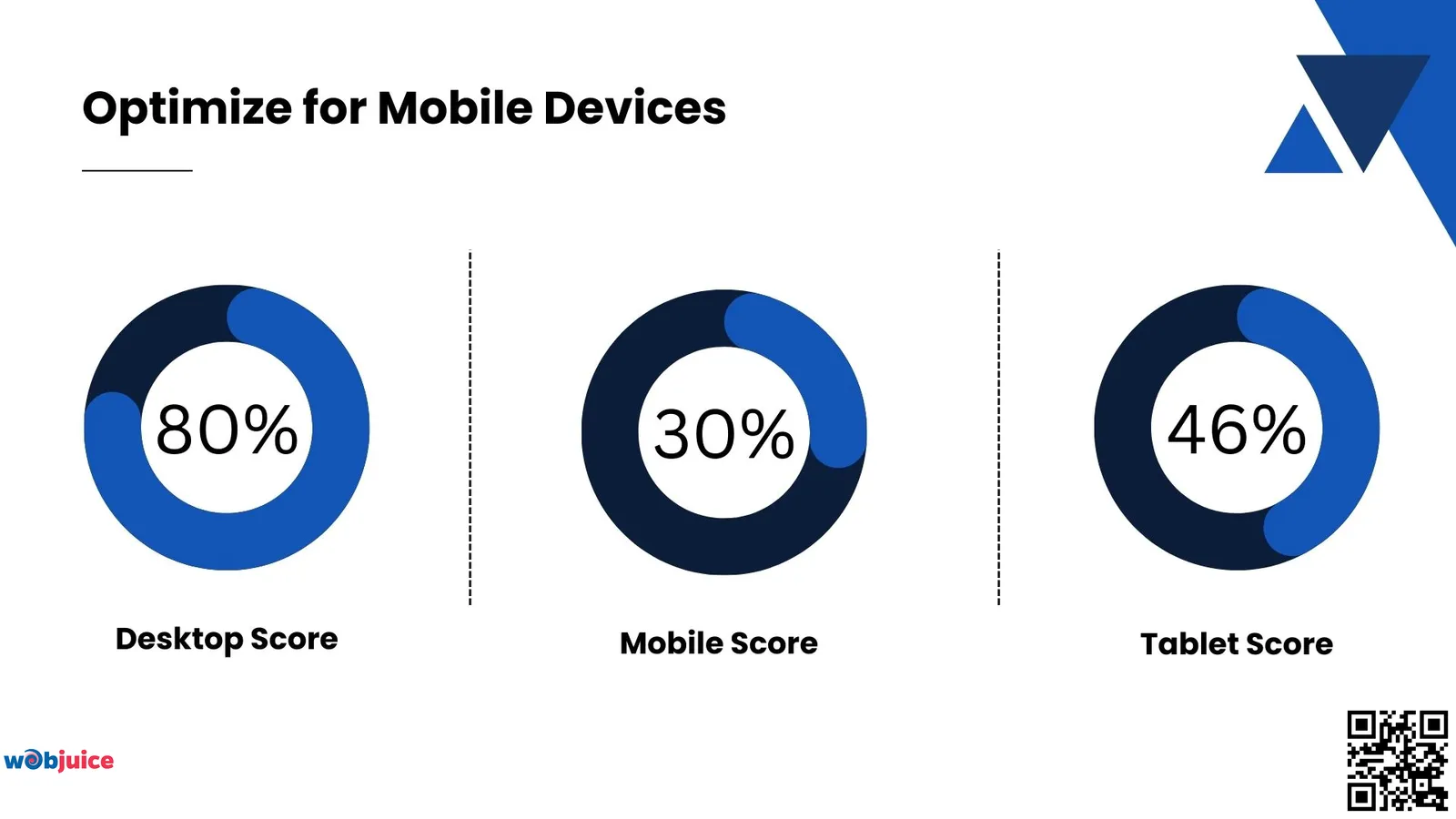
Begin with a clean and simple layout that highlights the key information.
Use big images and short descriptions to help users decide quickly.
Focus on loading speed next.
Slow pages can make people leave.
Reduce the size of images and cut down on code to improve performance.
A one-second delay can hurt sales, so every millisecond matters.
Don’t ignore touch-friendly design.
Make buttons and links big enough for easy tapping.
Make forms simple to help people buy easily.
Make sure to optimize for local SEO too.
Adding local keywords can help bring in more people who are looking for what you offer.
Making your product pages easy to use on mobile devices helps users feel good when they shop.
Implement User Reviews
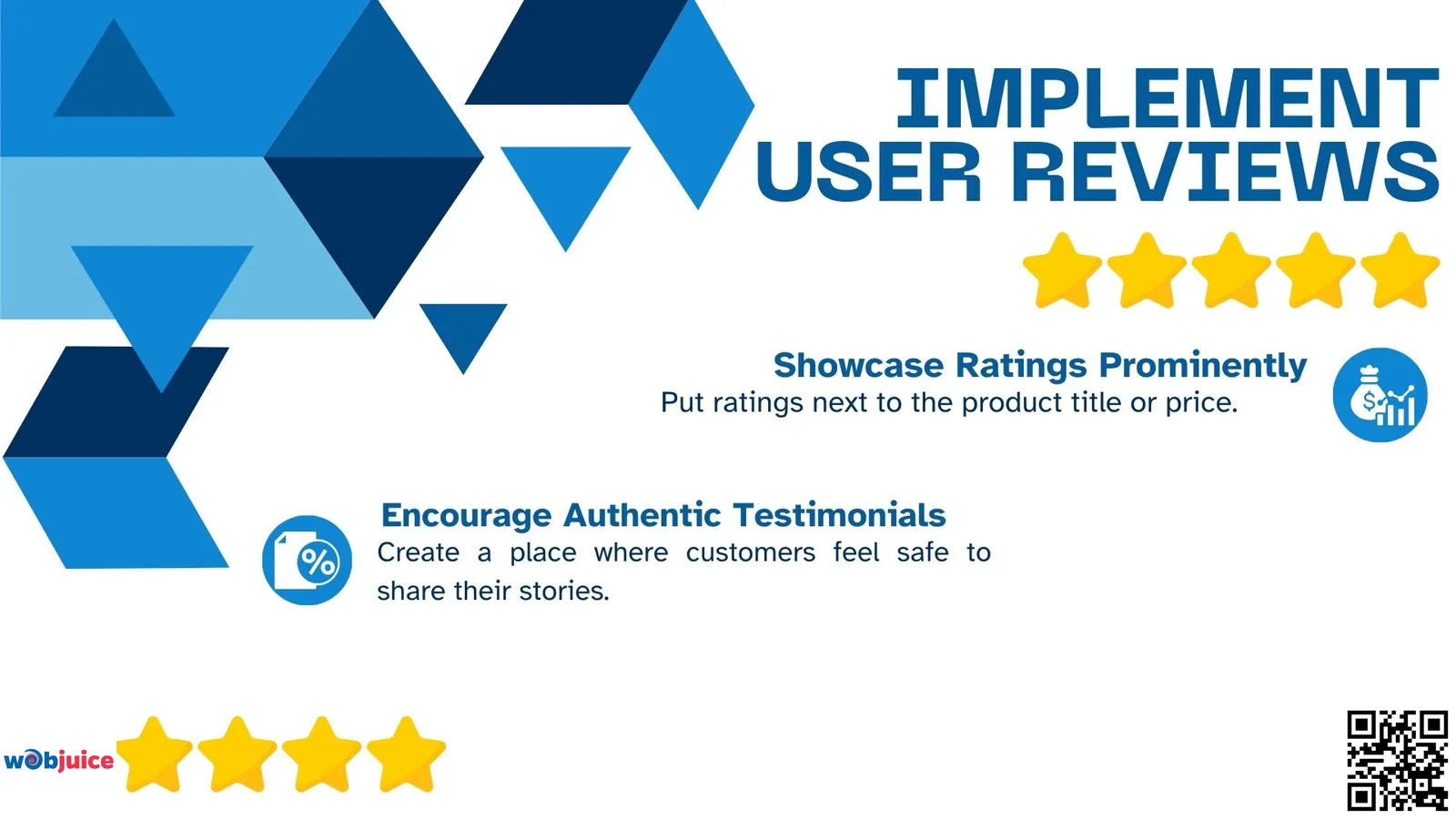
User reviews can influence customers and make your website more relevant.
It is important to encourage real feedback from buyers.
This works well with SEO plans that make the user experience better.
Show ratings clearly on product pages.
This helps build trust and improves the shopping experience.
When customers read real feedback, they are more willing to buy.
Having user reviews makes the online presence more engaging and reliable.
It gives good proof that can help ensure shoppers decide.
Also, new content made by users can boost your search engine rankings.
This can lead to more natural traffic to your site.
Encourage Authentic Testimonials
Create a place where customers feel safe to share their stories.
This is important for improving how people see your product page.
True reviews build trust and help new customers feel good about buying.
After you make a sale, get in touch with your customers.
Send them an email saying thank you for their order.
Ask them nicely for their thoughts.
To help them leave a review, give them direct links to the review part on your product page.
Think about giving rewards like discounts or points to people who share their ideas.
Highlight how important honest feedback is.
Let your customers see that their thoughts count and help improve your products.
Showing different testimonials can help you deal with various customer concerns.
Create a friendly space for customer feedback.
This way, you can collect real reviews that connect with future buyers and make your product more attractive.
Showcase Ratings Prominently
Put ratings next to the product title or price.
Make sure they are easy to see without scrolling.
Use a nice star rating system to show quality quickly.
Create a special reviews section where customers can share their experiences.
Give both good and helpful feedback.
Talk about any issues to show you care about customer satisfaction.
Use structured data markup to help search engines get your reviews.
This can create rich snippets in search results.
Include Clear Pricing Information

Show your prices clearly, preferably close to the product image or description.
Use bold text or colours that stand out to catch the eye, but make sure it fits with your overall design.
If you have discounts, sales, or bundles, make those savings easy to see.
People enjoy a good deal, and showing these offers can help improve sales.
Provide details like shipping costs or taxes.
If your products have different prices, show a pricing chart or dropdown menu to make it easy to see the differences.
Enhance Page Load Speed
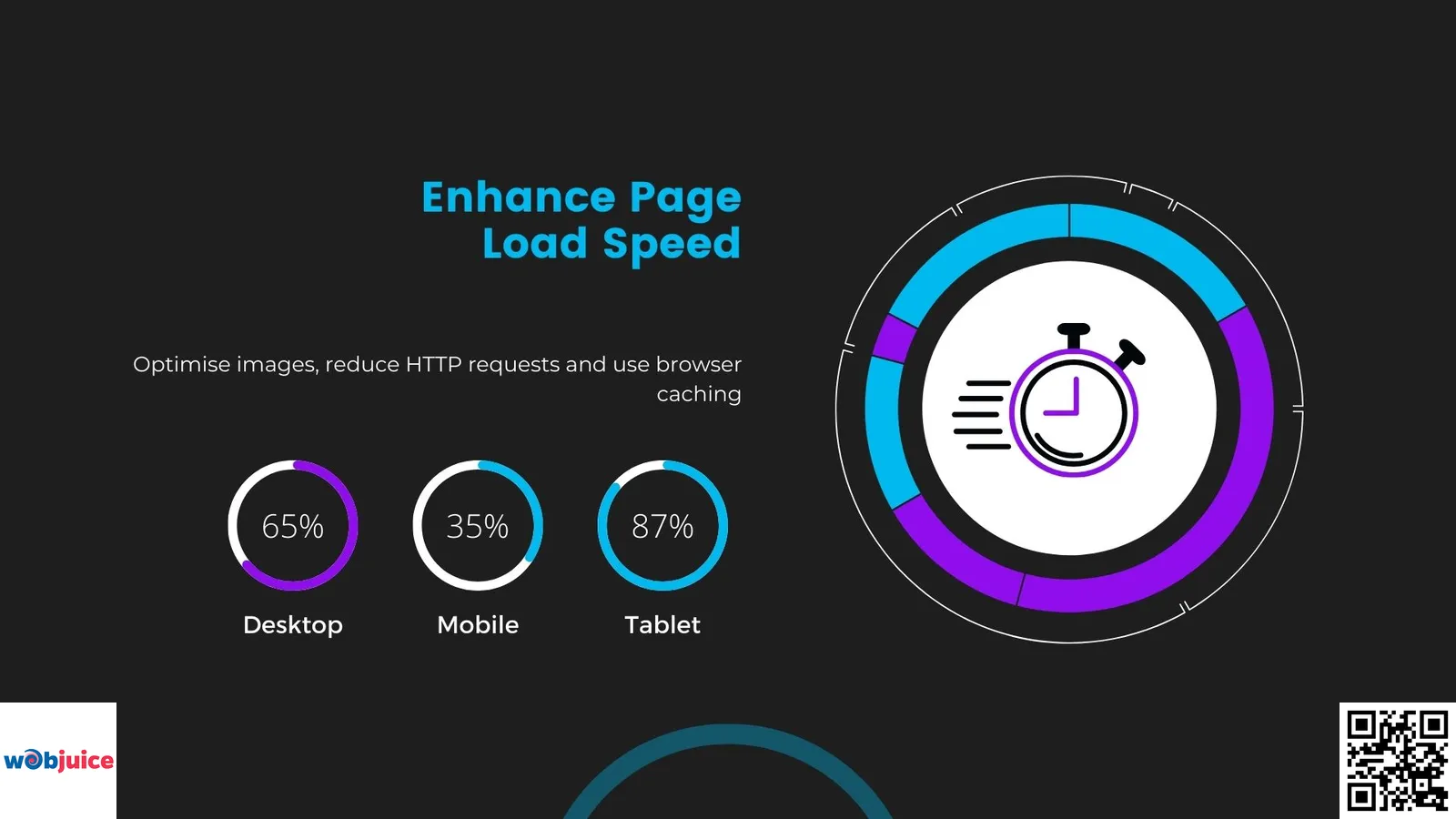
Optimise images, reduce HTTP requests and use browser caching.
A fast page improves user experience and increases sales.
Try to get a loading time of three seconds or less.
Using effective on-page SEO techniques can help speed up page loading and make the website work better.
To improve page load speed, optimize images.
Compress them without losing quality to lower data load.
Minimizing HTTP requests is very important.
Combine CSS and JavaScript files.
Remove plugins that slow down your site.
Browser caching can make load times faster.
Utilize SEO Best Practices
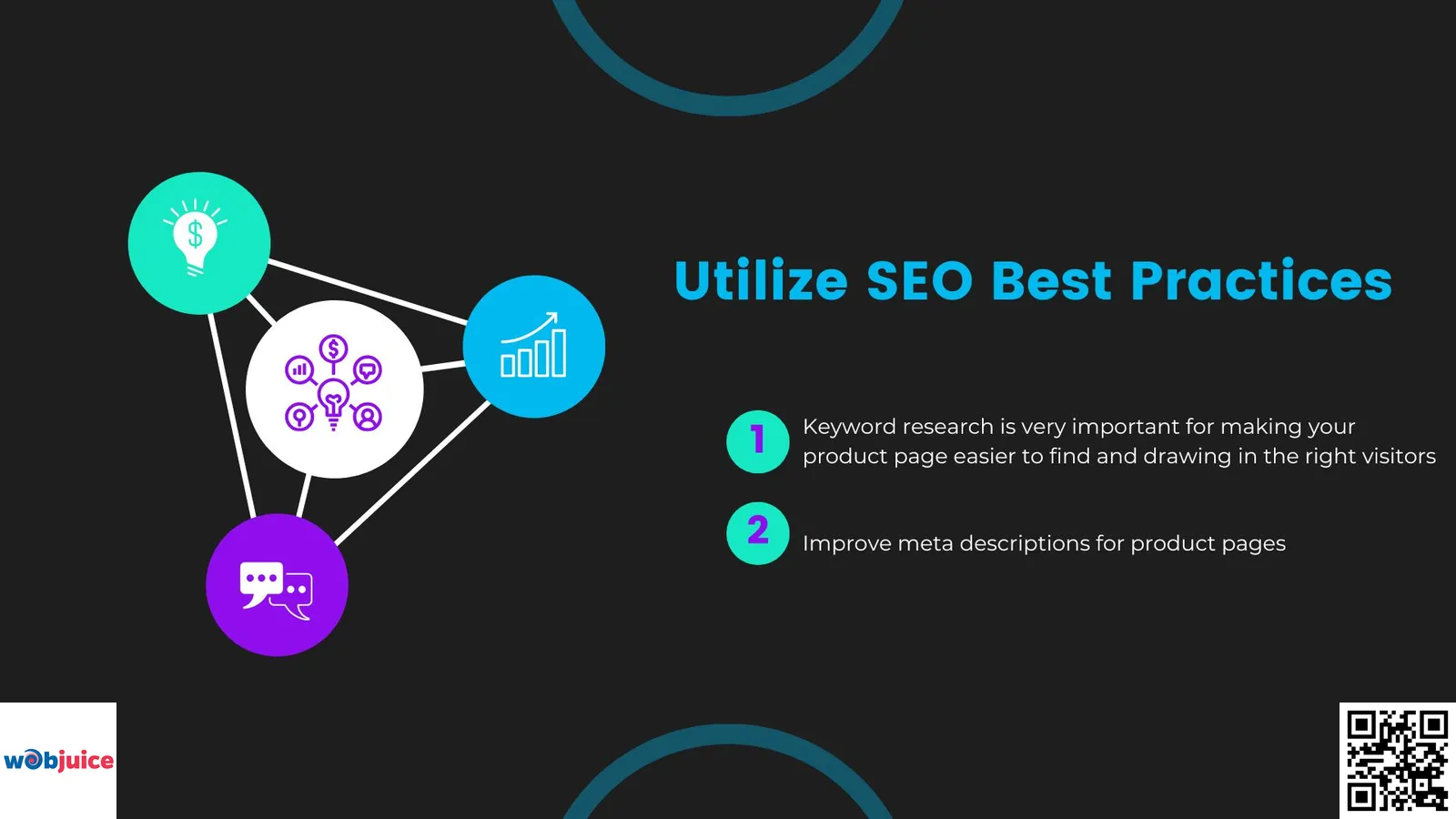
You need to do careful keyword research and improve your meta descriptions.
Knowing what your audience is looking for is very important.
This understanding brings visitors to your page.
Better click-through rates help your products stand out in search results.
Start by looking up keywords.
Use these to improve your product descriptions.
Then, write strong meta descriptions.
Remember to use clear and simple language.
Short sentences are the best. Using an active voice keeps readers interested.
UK spelling gives a nice touch.
Keyword Research Importance
Keyword research is very important for making your product page easier to find and drawing in the right visitors.
It helps you discover the words and phrases people use when searching for products like yours.
By knowing these keywords, you can add them to your product descriptions, titles, and tags.
Tools like Google Keyword Planner and SEMrush help you see search volume and competition.
It is important to check and update your keyword strategy often.
Meta Description Optimization
To improve meta descriptions for product pages, follow these tips:
- Use clear and concise language.
- Include important keywords.
- Focus on the product’s unique features.
- Keep it between 150-160 characters.
- Make it action-oriented to encourage clicks.
- Be truthful and reflect the page content.
Add Trust Signals
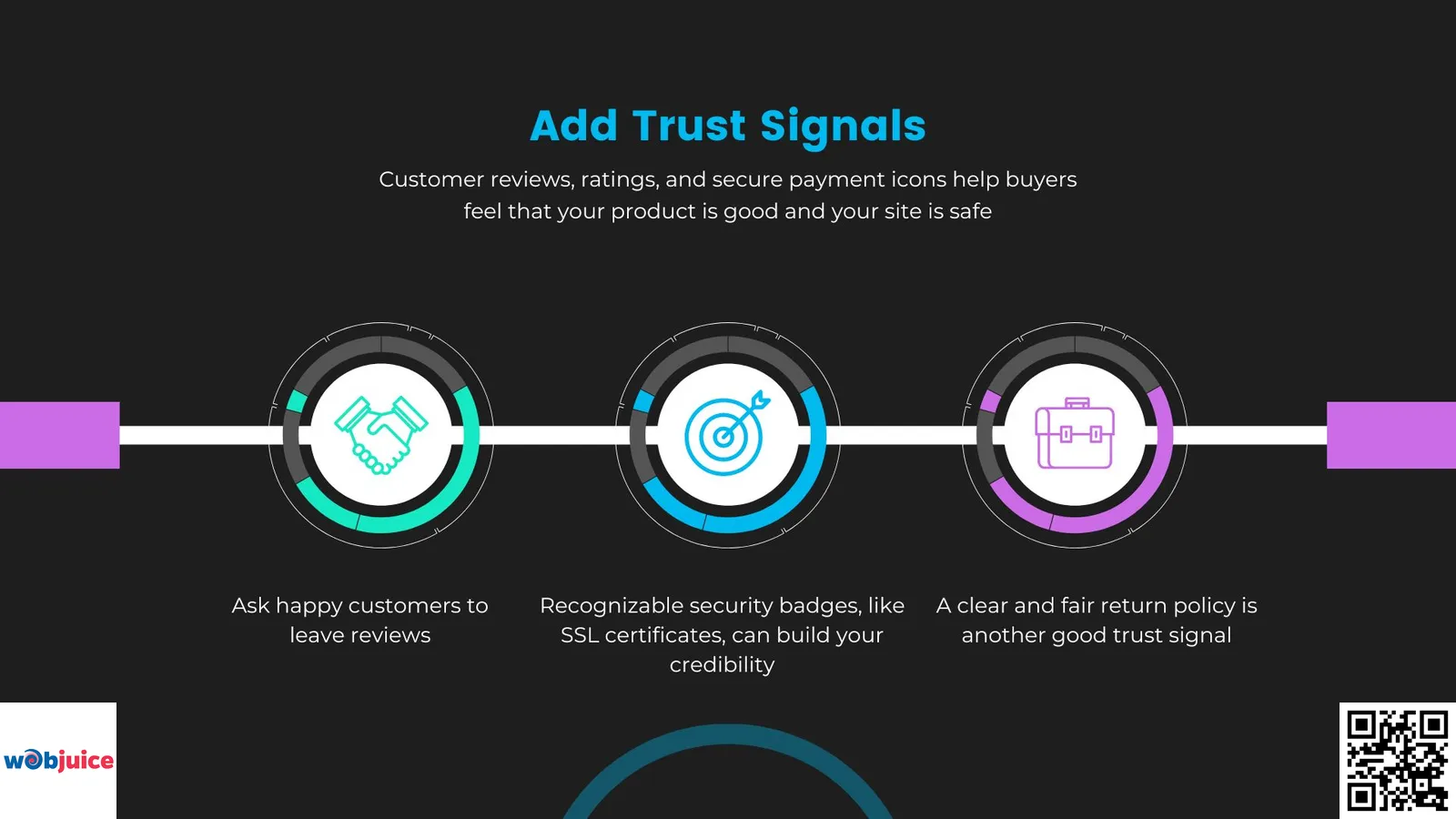
Customer reviews, ratings, and secure payment icons help buyers feel that your product is good and your site is safe.
Real customer testimonials can affect buying choices.
They show that your product is good.
Ask happy customers to leave reviews.
Make sure to show them clearly on your product page.
Recognizable security badges, like SSL certificates, can build your credibility.
A clear and fair return policy is another good trust signal.
Simplify Navigation
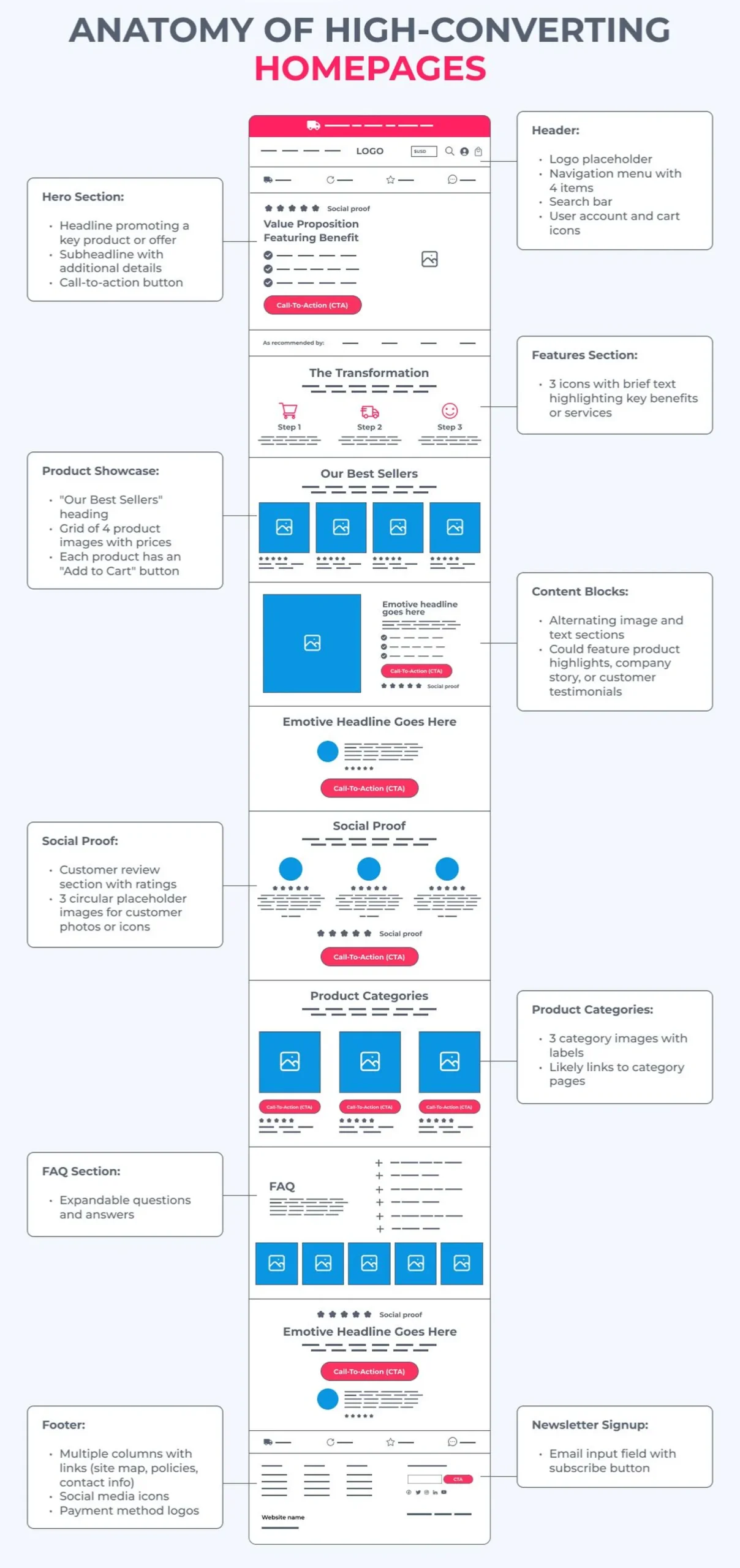
Begin by smartly arranging your product categories. Use clear and simple labels.
This will help shoppers find what they need easily and without confusion.
Having consistency is very important.
You should make sure that navigation buttons look the same on your site.
Consider using breadcrumb navigation.
It helps them explore related products without getting lost.
Keep your design simple and tidy.
Too many links can confuse visitors and take their minds off buying.
Use Effective Call-to-Actions
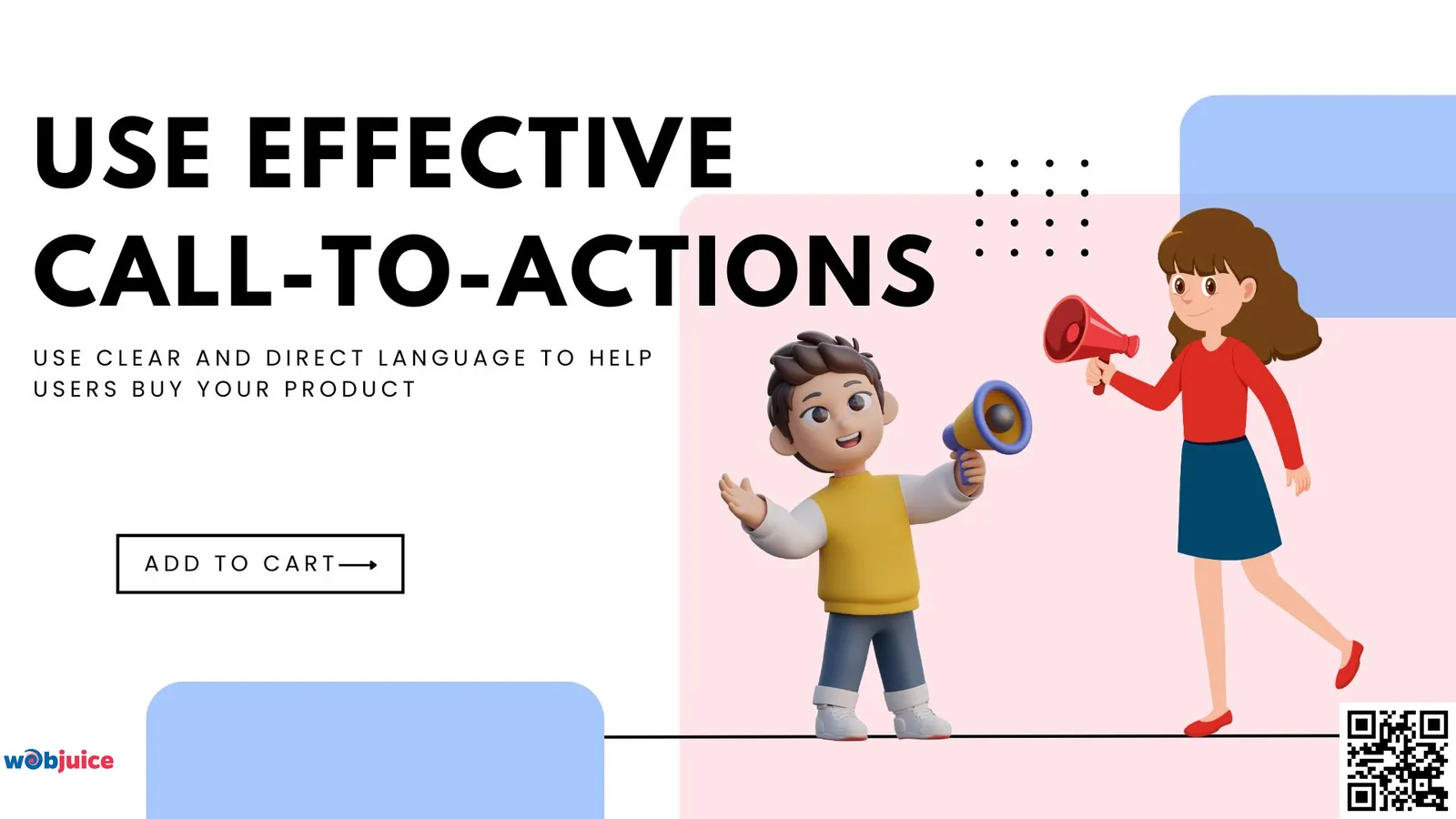
Use clear and direct language to help users buy your product.
A good call-to-action (CTA) can change how well your product page does.
Choose phrases like “Buy Now,” “Add to Cart,” or “Get Yours Today” to encourage quick action.
Place CTAs close to product images and descriptions, where users are likely to look.
Use bright colours to make buttons stand out.
Try out different calls to action (CTAs) to see what your audience prefers.
A/B testing can show you which words, colours, or sizes lead to more conversions.
Don’t forget about mobile users.
Make sure your CTAs stand out without making the page feel crowded.
Product Page Optimization FAQ
Expert answers to common questions about optimizing e-commerce product pages for better search visibility and higher conversion rates.
Why are high-quality images so critical for my e-commerce product page?
Firstly, they act as the primary visual handshake with your customer, instantly building trust and conveying professionalism. In an online environment where physical inspection is impossible, crisp, clear images (recommended at a minimum of 1000 pixels wide) from multiple angles, including close-ups and lifestyle shots, reduce uncertainty and answer potential questions visually. This directly reduces purchase hesitation.
Furthermore, engaging visuals increase dwell time—a positive signal to search engines—and are essential for a strong mobile shopping experience. They are not just decorative; they are foundational to building customer trust and driving conversions.
Best practices include:
- Minimum 1000px width for clarity on all devices
- Multiple angles and close-up shots
- Lifestyle images showing the product in use
- Fast loading with proper compression
- Consistent style across all product images
How can I write a product description that improves SEO and also convinces customers to buy?
The core of your description should focus on benefits over features. Use clear, active language to help the customer visualize themselves using the product and solving their problem. For example, instead of “water-resistant material,” try “stay dry and comfortable in any weather with our water-resistant fabric.”
Incorporate social proof elements, like snippets from user reviews, to bolster credibility. Finally, structure your description for scannability with short paragraphs, bullet points, and subheadings. Create a sense of urgency with phrases like “limited offer” or “exclusive deal” to boost sales with strong CTAs. This dual approach satisfies both SEO crawlers and human readers.
What are the most important factors for mobile optimization of a product page?
Your page must automatically adapt to any screen size with a clean, uncluttered layout. Page speed is paramount; compress images, minimize code, and leverage browser caching to achieve a load time of under three seconds, as delays directly increase bounce rates. Google’s Core Web Vitals specifically measure loading performance, interactivity, and visual stability on mobile.
For navigation, ensure all buttons and CTAs are large enough for easy tapping (minimum 44×44 pixels), forms are simplified with appropriate input types, and the checkout process is streamlined. A superior mobile user experience directly translates to higher conversions and improved local SEO for relevant searches.
How do customer reviews and trust signals impact my page’s performance?
Customer reviews and ratings are powerful trust signals that significantly influence purchasing decisions and SEO. Authentic testimonials provide social proof, reduce perceived risk, and add fresh, user-generated content to your page—a factor search engines favor for improving search engine rankings.
Prominently display star ratings near the product title and create a dedicated review section with sorting options. Beyond reviews, other vital trust signals include visible security badges (SSL certificates, payment security logos), clear return and refund policies, and transparent shipping information.
These elements collectively build trust with online shoppers, reduce cart abandonment, and can even generate rich snippets in search results (like star ratings) that improve click-through rates from search engine results pages by up to 30%.
Besides keywords, what on-page SEO practices are essential for my product page?
Meta description optimization is crucial; craft a unique, compelling summary under 160 characters that includes a primary keyword and a call-to-action to improve click-through rates from search results. Ensure your title tag is descriptive, keyword-optimized, and under 60 characters.
Use structured data markup (schema.org) for products, prices, and reviews to help search engines understand your content and potentially display rich results. Furthermore, a flawless technical SEO foundation—including fast load speeds, a secure (HTTPS) connection, proper heading hierarchy (H1, H2, H3), and a logical site navigation structure with breadcrumbs—ensures your page is crawlable, indexable, and provides a positive user experience.
All these elements work together to send strong quality signals to search engines, which are fundamental to improving search engine rankings and driving organic traffic.
Summary
Mastering your product page is the cornerstone of online retail success. By implementing the ten strategies outlined—from high-quality visuals and compelling, keyword-rich descriptions to flawless mobile performance—you create a seamless user journey that builds trust and removes friction.
Remember, optimization is a continuous cycle. Regularly update your content, gather fresh customer testimonials, and test different calls-to-action to discover what resonates most with your audience. Prioritize page load speed and mobile responsiveness as critical ranking factors that also enhance customer satisfaction.
Key Actionable Takeaways:
Visuals & Copy: Use professional images and benefit-driven descriptions.
Trust & Transparency: Showcase reviews, ratings, security badges, and clear pricing.
Technical SEO: Optimize for keywords, meta tags, and mobile speed.
User Experience: Simplify navigation and use strong CTAs.
By synthesizing these elements, you do more than improve a single page; you strengthen your entire brand’s digital presence. This holistic approach leads to higher organic visibility, increased customer trust, and significantly improved conversion rates. Begin auditing your product pages today—your next breakthrough in performance starts with these proven, actionable steps.