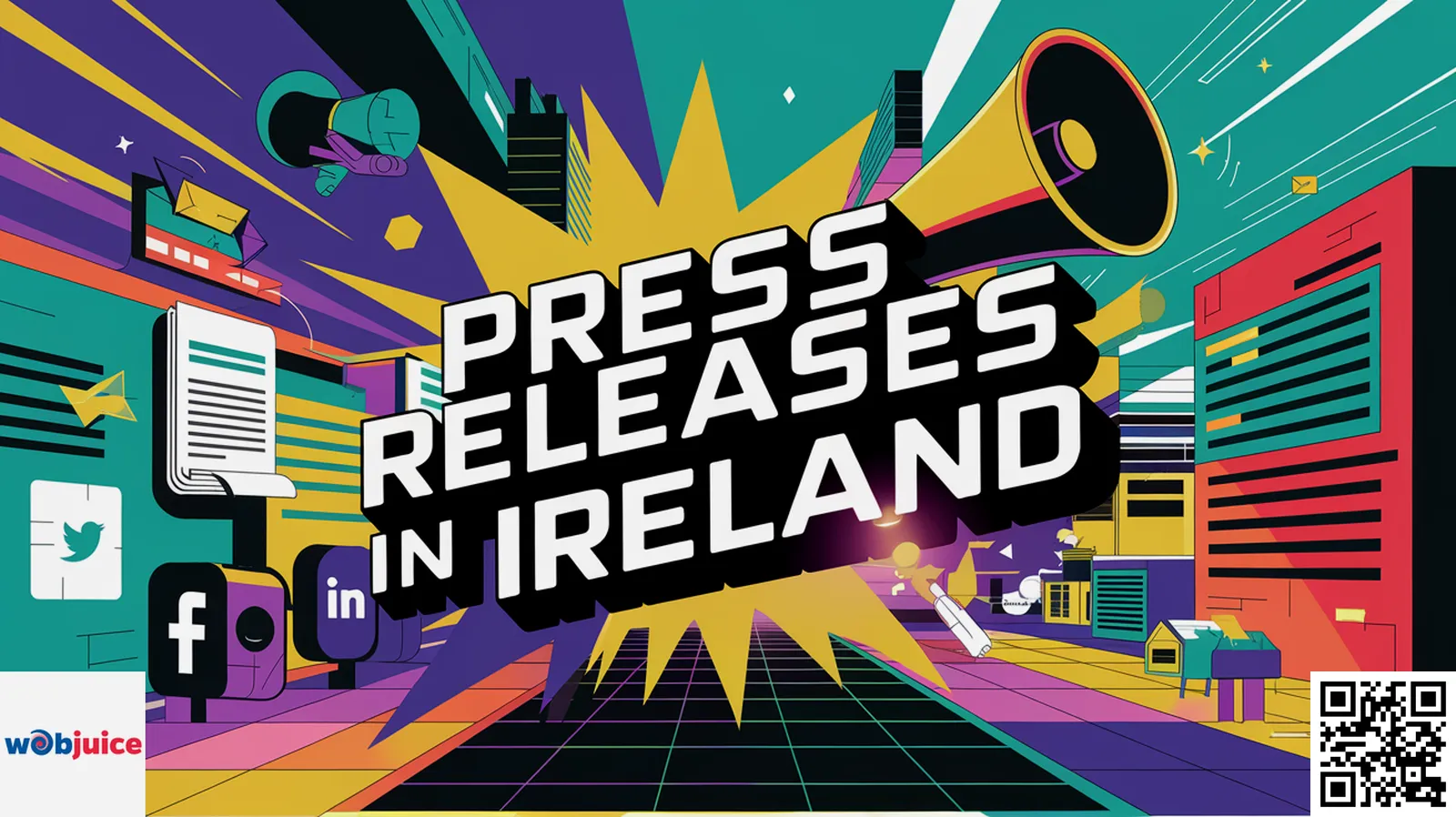
In today’s competitive Irish market, cutting through the noise to capture attention is a paramount challenge for businesses. A strategically crafted press release remains one of the most powerful tools to achieve this, serving as a critical bridge to media, stakeholders, and the public. Far more than a simple announcement, an effective press release is a multifaceted instrument for enhancing brand visibility, building authoritative credibility, and driving meaningful engagement. For companies operating in Ireland, success hinges on understanding the unique elements that resonate with local audiences and media landscapes. This guide delves into the essential framework for creating impactful Irish press releases, from mastering the core components of compelling headlines and newsworthy narratives to leveraging optimal distribution channels and measuring tangible results. We will explore best practices tailored specifically for the Irish context, including cultural relevance and media habits, while highlighting common pitfalls to avoid. By integrating fundamental public relations principles with savvy SEO techniques and targeted outreach, your business can transform a standard press release into a potent catalyst for growth. Discover how to articulate your story with clarity, connect with purpose, and solidify your brand’s presence across Ireland.
Key Takeaways
The key aspects of press releases in Ireland include several important points.
- First, they should be clear and to the point. A press release needs to catch the reader’s attention quickly.
- It should answer the who, what, when, where, and why of the news.
- A great title is important to make people want to read more.
- The content should be relevant to the audience.
- It is also good to include quotes from important people.
- Lastly, contact information must be on the press release, so others can reach out for more details.
Press releases are important for sharing news and increasing brand visibility in Ireland’s busy market.
Good releases need attractive headlines, clear openings, and trustworthy quotes to capture people’s attention.
It is important to think about local media habits and cultural mentions when creating messages for Irish audiences.
To reach more people, businesses should use online services and social media.
You can measure success by looking at views, shares, and changes in website visits after the release.
These steps help make sure press releases connect with the Irish public and have the desired effect.
Importance of Press Releases
Press releases are important for talking to the public and the media.
They help share important news and increase visibility and trust.
They provide a way to connect with your target audience.
When journalists see your information as valuable, they are more likely to show your story.
A good press release can help your SEO rankings.
When trusted news sites share your release, it creates links to your website.
This boosts your online strength and brings in more natural traffic and sales.
Press releases help your brand become a leader in your field.
You will show that you are an expert by sharing your knowledge and new ideas.
Key Elements of Effective Releases
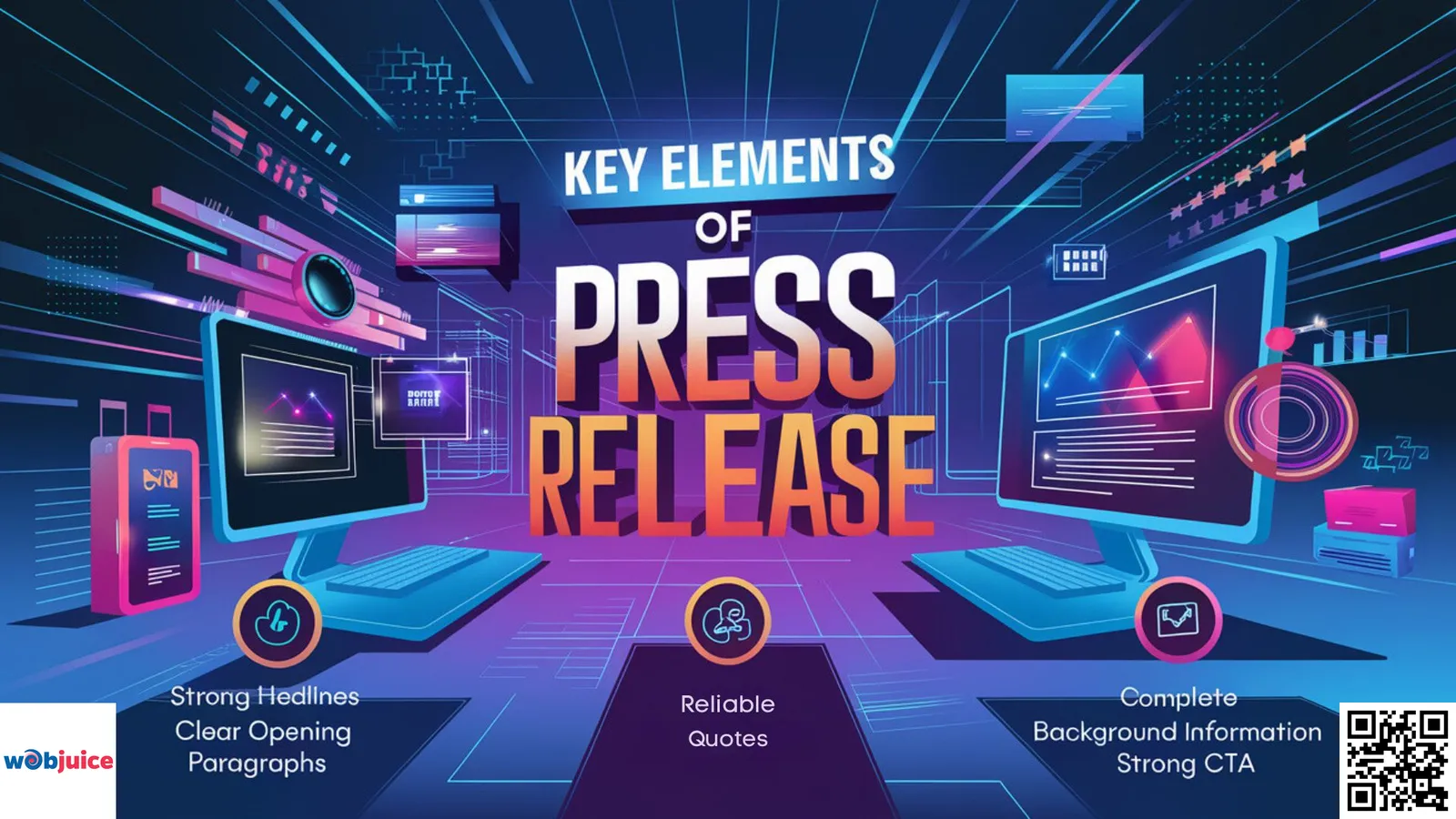
Five key elements make press releases work well. These are strong headlines, clear opening paragraphs, reliable quotes, complete background information, and strong calls to action.
Start with a catchy headline that summarizes your news.
This creates interest and prompts readers to read more.
Your first paragraph should clearly state the most important details.
You should answer who, what, when, where, and why right away.
Doing effective keyword research can help you find helpful search terms.
You can use these terms in your headline and first paragraph.
This makes sure your press release matches what people are looking for and helps it be seen more easily.
Include a quote from a helpful spokesperson.
This adds trust and a personal feel, making your release more easy to connect with.
Give detailed background information in the body.
This information helps and improves your story, keeping readers interested.
Don’t forget to have a strong call to action.
Motivate your audience to take the next step.
This could be visiting a website or going to an event.
Best Practices for Irish Press Releases
Irish press releases need to understand the local media and what the audience likes.
Focus on being clear and relevant.
Begin with a good headline.
Follow it with a strong first paragraph that gets your message across.
Keep it short—around 400 words.
White-hat link building methods can improve your reach and effectiveness.
They make sure you follow the best practices and stick to ethical standards.
Tailor your content for people in Ireland.
Use local words and refer to their culture.
Add quotes from important people for trustworthiness.
Include images or videos to make it more engaging.
Use keywords that make sense to readers.
Finish with a clear call to action. Ask readers to connect with your brand.
Remember to use UK spelling all the time. Avoid extra words.
Keep sentences short and clear. Use active voice. Be clear.
Choose simple words instead of difficult ones.
These tips will help make your press release stronger and simpler to read.
Distribution Channels in Ireland
The best ways to share press releases in Ireland are online distribution services, social media platforms, local news outlets, and email marketing.
When you want your press release to stand out in Ireland, picking the right places to share it is very important.
You have several choices available, and each one has its benefits.
For starters, think about using online press release services that focus on the Irish market.
These platforms can help you reach more people.
They can make sure your message gets seen by journalists, bloggers, and new customers.
Implementing on-page SEO methods that are suited for your audiences can greatly increase the visibility of your press releases.
Sharing your press release on sites like Twitter, LinkedIn, and Facebook can get you quick engagement.
Don’t underestimate local news outlets. Contacting them directly can give you great coverage.
Also, using email marketing to reach your target audience is a good strategy.
Writing an interesting email with your press release can encourage readers to find out more.
Measuring Success and Impact

Begin by looking at views and shares on different platforms.
These numbers give a clear look at how visible your content is.
Using off-page SEO strategies can greatly boost the reach and effect of your press release.
This can improve how it performs on various online platforms.
Look at the click-through rates if you have links.
A high CTR means your audience thought the content was interesting.
Keep an eye on any changes in website traffic after the release.
More visits mean that your press release caught people’s attention.
Media coverage or mentions in other papers can strengthen your message and increase trust.
Use tools such as Google Analytics and social media insights to collect data well.
Common Mistakes to Avoid
The most common mistakes in press releases are not focusing on the target audience.
They also forget about SEO, write weak headlines, leave out important details, and do not proofread.
Ignoring your target audience is a big mistake.
Always change your message to connect with them.
Your press release might not work if you don’t, and it may not get attention.
Using the Skyscraper Method can greatly boost your SEO plan and make your press release work better.
A strong headline is often ignored. It’s the first thing readers notice.
Make it interesting and clear to grab their attention.
Also, add important details like “who, what, when, where, and why” at the beginning.
Journalists often look for these key facts quickly.
Not proofreading can harm your reputation.
Mistakes in grammar or spelling can hurt how professional you seem.
Make sure to check your work or ask a colleague for help.
FAQs
Expert answers to common questions about legal requirements, media targeting, multimedia, response times, and distribution frequency for businesses in Ireland.
What are the legal requirements for press releases in Ireland?
While Ireland has no specific “Press Release Act,” your distribution must comply with general publishing, competition, and consumer protection legislation. The primary legal obligation is ensuring all information is accurate, truthful, and not misleading, as mandated by the Consumer Protection Act 2007 and defamation law.
Critical Compliance Areas: Publishing false or damaging statements can lead to legal action for defamation. Always verify facts before distribution.
You must also respect copyright and intellectual property law. Only use images, videos, or music you own or have properly licensed, and always provide attribution. For forward-looking statements, include a clear disclaimer about potential future variations.
Fundamentally, legal compliance hinges on honesty, accuracy, and transparency. This approach not only mitigates legal risk but also builds and maintains essential trust with your audience and media contacts.
How do I target specific media outlets in Ireland effectively?
Successful targeting requires a strategic, research-led approach rather than a blanket distribution.
1. Research & Identification: First, identify outlets whose audience aligns perfectly with your message—national papers like The Irish Times, sector-specific journals, local radio stations, or influential industry blogs. Use media directories like Media Contacts or analyze journalists’ recent work on LinkedIn and X (Twitter).
2. Personalization & Pitching: Personalization is critical. Address the journalist by name, reference their previous relevant article, and explicitly state why your story matters to their specific beat and readers. Craft a compelling narrative angle—does your news impact the local community, address a national trend, or offer a unique solution to a common problem?
Relationship Building Tip: Building lasting relationships through respectful, professional engagement is more effective than mass, impersonal pitches. A single, polite follow-up email after 3-5 business days is recommended.
Can I use images or videos in my press release, and are there guidelines?
Yes, absolutely. Multimedia elements are highly recommended, as they can increase engagement and media pick-up rates by over 40%.
Quality: Use high-resolution images (e.g., 300 dpi for print) and professionally edited, concise videos.
Relevance: Visuals must directly support and enhance the narrative, not serve as mere decoration.
Rights: You must own the copyright or have explicit written permission to use and distribute all multimedia. Always credit the photographer or videographer.
Format: Embed images directly in the release or, preferably, provide a clear link to a downloadable media kit containing high-res files.
Accessibility: Include descriptive alt-text for images to aid SEO and accessibility compliance.
Compelling multimedia makes your story more tangible and shareable, helping journalists visualize it for their digital, print, and social media platforms.
What is the normal timeline for a press release response?
The typical response window ranges from 24 hours to one week. This varies significantly based on the nature of your story and the outlet’s schedule.
Timeline Variables:
- Breaking News Outlets: May respond within hours if your story is highly time-sensitive.
- Feature Desks & Monthly Magazines: Can take several weeks as they work on longer lead times.
Response depends entirely on the newsworthiness of your story and the journalist’s current deadline cycle.
Strategic Follow-Up Protocol: Wait 2-3 business days before sending a single, concise follow-up email. Do not repeatedly call or email. In your follow-up, re-pitch the core value and offer additional information or an executive interview opportunity. If there’s no response after this, target other contacts or outlets.
How often should my business send press releases?
The guiding principle is that quality always trumps quantity. The ideal frequency is “when you have legitimate, newsworthy information.”
For most small and medium-sized enterprises (SMEs), this typically equates to 2-4 substantial releases per year.
Avoid “List Fatigue”: Sending trivial or overly promotional updates too frequently (e.g., monthly minor announcements) will lead journalists to ignore your future communications, actively harming your valuable media relationships.
What Qualifies as Newsworthy?
- Major business milestones (significant expansion, anniversary)
- Award wins or notable industry recognition
- Launch of a genuinely innovative product/service with a unique angle
- Publication of impactful original research or survey findings
- Appointment of a key senior executive
- Formation of a major strategic partnership
Focus on cultivating a reputation as a reliable source of valuable, timely information, rather than background noise.
Summary
To maximize the impact of your press release in Ireland, a strategic and polished approach is non-negotiable. Begin by cementing the fundamentals: a captivating headline, a concise lead paragraph answering the essential who, what, when, where, and why, and the inclusion of authoritative quotes and clear contact information.
Elevate your efforts by seamlessly integrating SEO best practices, such as keyword research, and tailoring your narrative with local relevance to connect authentically with Irish audiences. Distribute your content intelligently across a mix of dedicated newswires, social media platforms, and direct journalist outreach to broaden your visibility.
Crucially, define and track your success metrics—from media pickups and website traffic to social shares—to gauge performance and inform future strategy. By consistently avoiding common errors like jargon-heavy content or neglecting proofreading, you ensure professionalism and clarity.
Ultimately, a well-executed press release is more than communication; it’s an investment in your brand’s reputation and authority. By synthesizing these insights into your PR workflow, you equip your business to not only share news but to shape perception, foster trust, and achieve lasting prominence in the Irish marketplace.