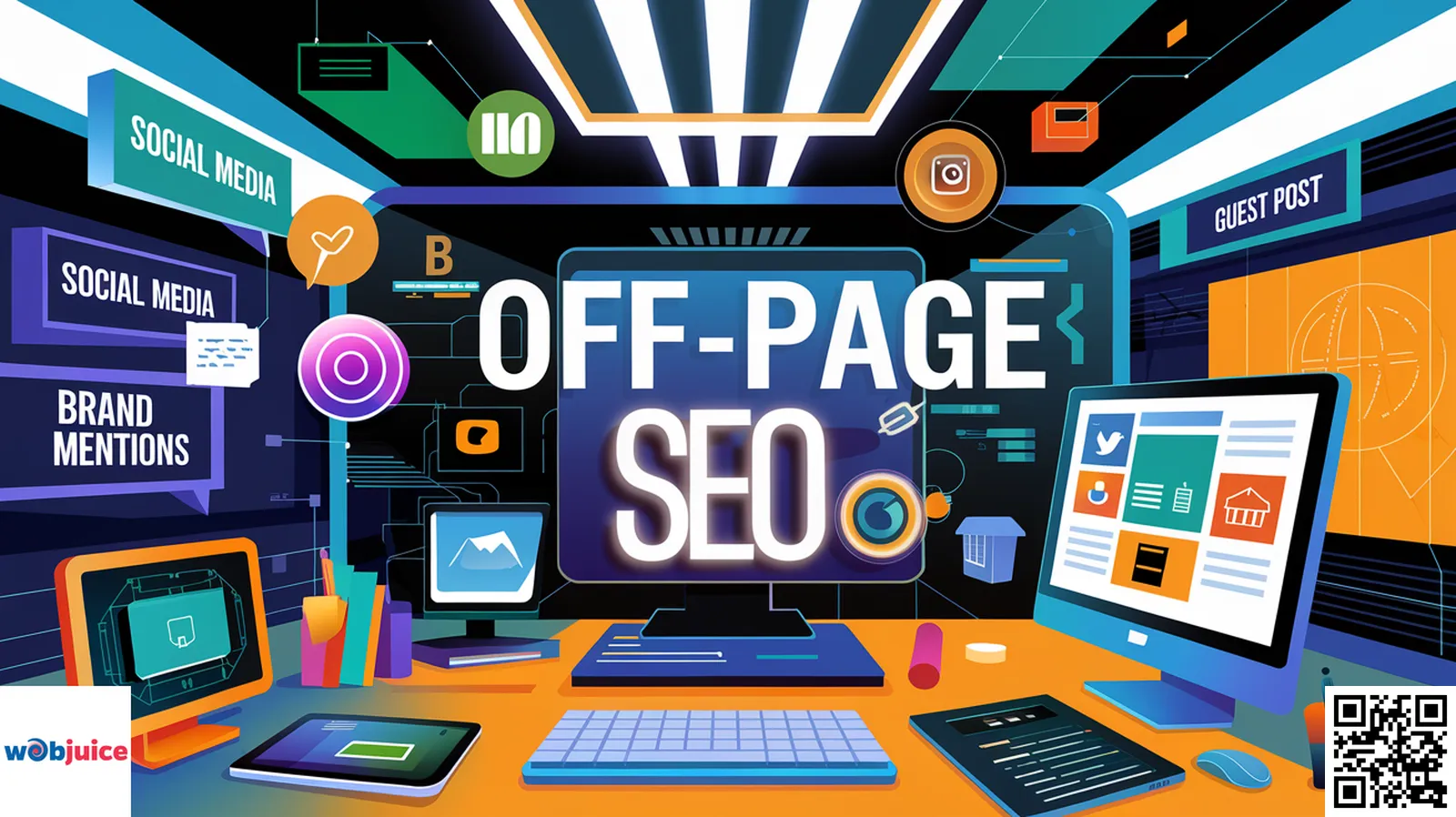
In the competitive digital landscape, on-page optimization is only half the battle. True search engine dominance and sustainable online growth are unlocked through strategic Off-Page SEO. This essential practice encompasses all actions taken beyond your own website to build its authority, trust, and visibility in the eyes of both search engines and your target audience. Think of it as your site’s reputation within the vast online community.
This comprehensive guide delves into the core pillars of a successful off-page SEO strategy. We will explore the critical importance of acquiring high-quality backlinks—the digital equivalent of trusted votes of confidence—and how they directly influence your domain authority and organic search rankings. Beyond link-building, we’ll examine how a dynamic social media presence amplifies your content, fosters engagement, and generates valuable brand mentions. Furthermore, we’ll outline proven tactics like strategic guest blogging and influencer collaborations that enhance your brand’s reputation and expand its reach.
Understanding and implementing these off-page elements is non-negotiable for any business serious about its long-term digital presence. By the end of this guide, you will have a clear, actionable framework to build a robust off-page SEO campaign that drives consistent traffic, outperforms competitors, and establishes your website as a leading authority in your niche.
Key Takeaways
Off-page SEO helps build trust for your website by getting backlinks, being active on social media, and encouraging people to talk about your brand.
Good backlinks from trusted sites can improve your website’s ranking.
This also brings steady traffic to your site.
Guest blogging and joining community events can enhance your online presence and help you make good connections.
To boost your SEO strategies, focus on your off-page activities.
Look at how well your backlinks perform and how much you participate on social media.
Also, check what your competitors are doing.
This can give you ideas on how to improve your SEO efforts.
Understanding Off-Page SEO
Off-page SEO is very important for your website. Here are some reasons:
- It can help your website get a better spot on search engines.
- A strong off-page plan can bring more people to your site.
- Good links from trusted websites show search engines that you are reliable.
- It helps make your brand known and respected in your area.
- A strong online presence can create more business chances.
Off-page SEO can greatly affect how well your website does.
It helps to build a strong support system for your online presence.
On-page SEO deals with the content on your website.
In contrast, off-page SEO increases your site’s authority and trust through factors outside of it.
Off-page SEO means using social media, online directories, and forums to boost your brand’s image.
When you share useful content on these platforms, you can connect with more people.
Off-page SEO helps people know about your brand.
When you have good reviews, mentions, and interactions, you can attract more visitors and improve your rankings.
It is all about making links and building a group around your brand.
Importance of Backlinks
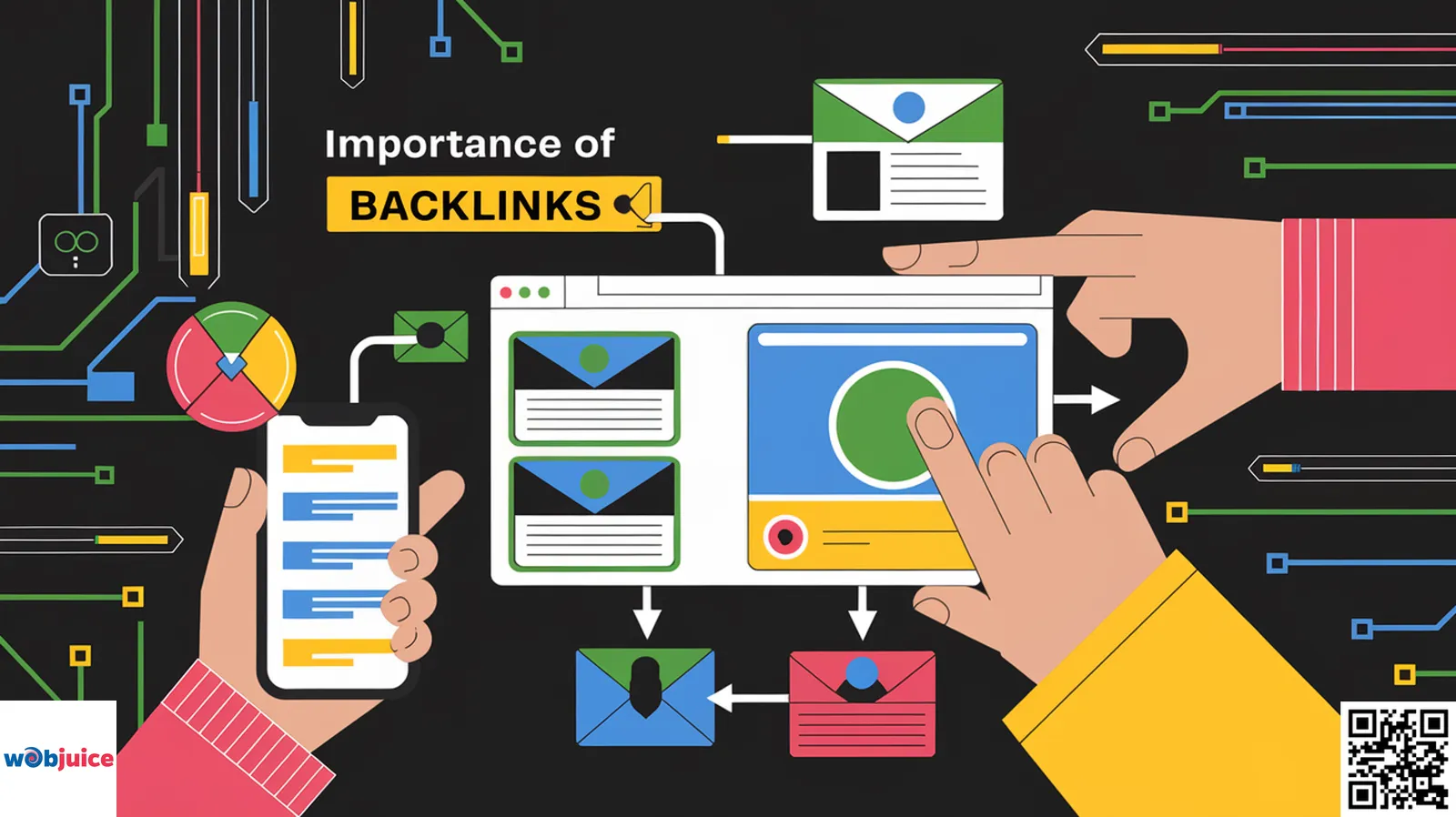
Strong backlinks boost your site’s authority
Backlinks are key for your site’s growth.
Building trust and making yourself credible online is important.
You should focus on getting dependable backlinks.
This will help you get better results than just collecting many links.
Quality Over Quantity
Good backlinks matter more than many weak ones. Here’s why:
- Having a few good backlinks is better than having a lot.
- A link from a trusted site is worth more than several links from untrustworthy ones.
- Links from sites that connect with your topic are more useful than links from those that don’t.
- A small number of reliable links can improve your site’s reputation more than many low-quality ones.
- A strong backlink can draw in more visitors who engage with your site.
- A focus on quality backlinks is better for long-term success than having lots of weak links.
When you focus on getting strong backlinks, your website looks more trustworthy.
This can help it rank higher in search engines.
Strong, quality backlinks also build trust and boost your online presence.
Search engines like Google view backlinks from trusted websites as evidence that your content matters.
A few strong links can be more helpful than many weak ones.
You should consider guest blogging as well.
Collaborating with others is a great idea, too.
Investing in good backlinks is a smart choice for your future.
A strong set of backlinks improves your online visibility.
It helps you bring in more natural traffic and supports your SEO work for lasting success.
Building Domain Authority
To improve your authority, create quality content that people enjoy reading and sharing.
Getting links from trusted sites can help too.
By doing this, you raise your authority and improve your visibility in search results.
Good backlinks can make your site seem more trustworthy.
When popular websites link to your content, search engines see your site as a reliable source.
To boost your domain authority, you need backlinks from good websites.
Focus on creating high-quality content that people want to share.
Guest posting on trusted blogs is a smart way to get more backlinks.
Getting good backlinks helps improve your site authority.
As your site authority increases, your chances of getting organic traffic will also grow.
More organic traffic can lead to more conversions and good results for your business.
Embrace this journey. Your online presence will improve and grow.
Enhancing Organic Rankings
Backlinks are important for helping your site rank better in search results.
They are like votes from other websites.
This shows search engines that your content is good and trustworthy.
The more quality backlinks you get, the more respect your site earns.
This respect directly affects your rank in search engine results.
A strong backlink plan can help you get more attention online.
This means more people will visit and use your site.
As your site gets better rankings, you will notice more organic traffic.
This increase can help your business.
Social Media Influence
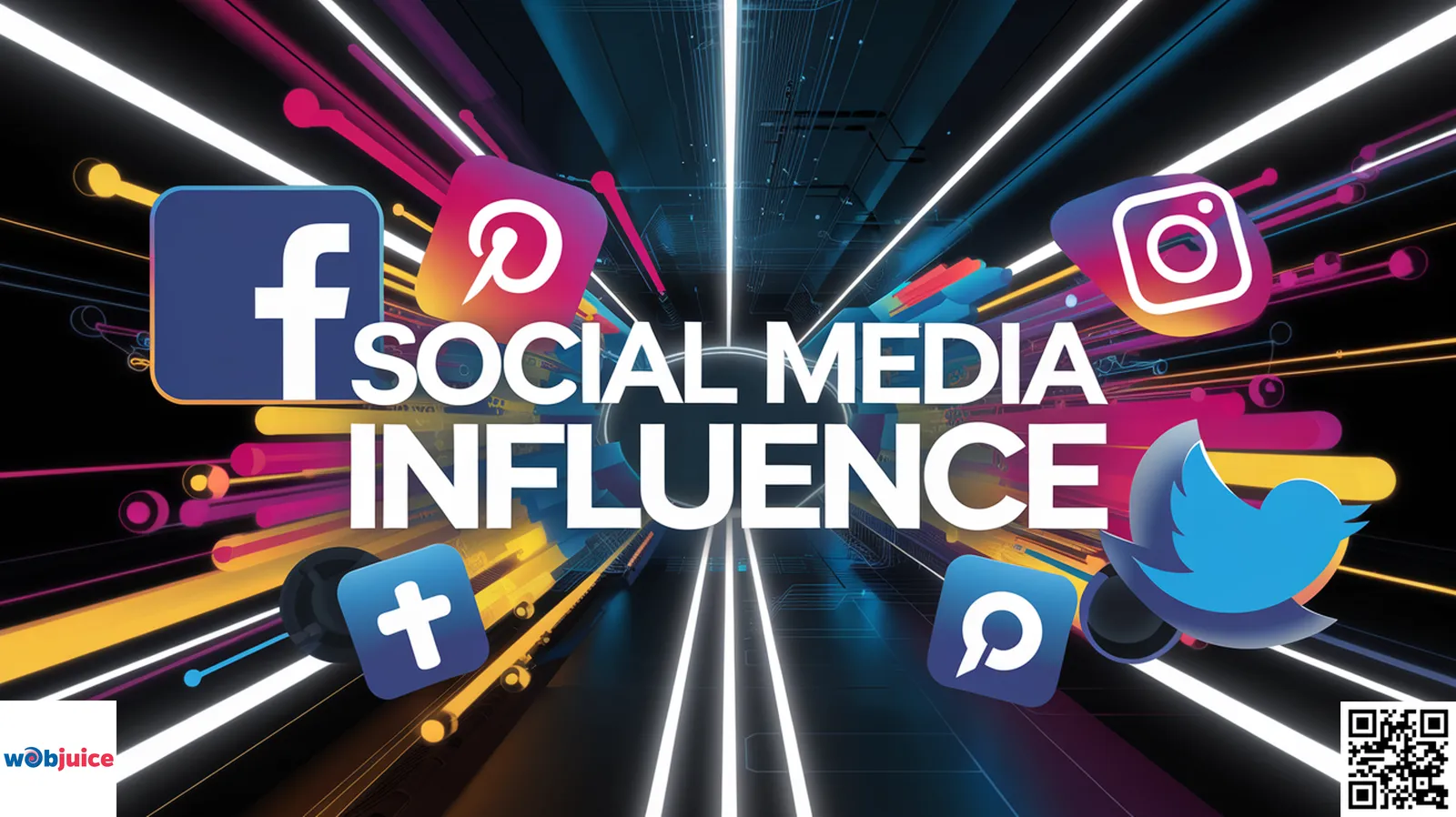
Social media backlinks help form your link connections.
Having these backlinks can also boost your search rankings.
Sharing good content helps people connect.
It also allows them to share and link to your website.
As your audience grows, you will have more chances to get natural backlinks.
These backlinks are important for boosting your search rankings.
Social media helps you connect with important people and influencers around you.
Working with them can help you reach more people.
User-created content helps your community grow.
A good social media plan can help your SEO efforts.
When you grow your social media presence, you can improve your search rankings.
This will also bring more visitors to your website.
Brand Mentions and Reputation
Brand mentions help build trust with search engines, which makes it easier to find a website.
You can see brand mentions in many places, like social media and news articles.
By watching these mentions, businesses can see how they affect their success and improve their strategies.
Good talks can help a brand’s name grow, while bad ones can harm it.
This is why we should pay attention to these discussions.
When you respond to questions and interact with your audience, you build a strong name.
When you talk about your brand in important conversations, work with partners, or share on social media, it helps your SEO efforts outside your website.
By focusing on brand mentions, you improve your online presence and create lasting connections with your audience.
Guest Blogging Strategies
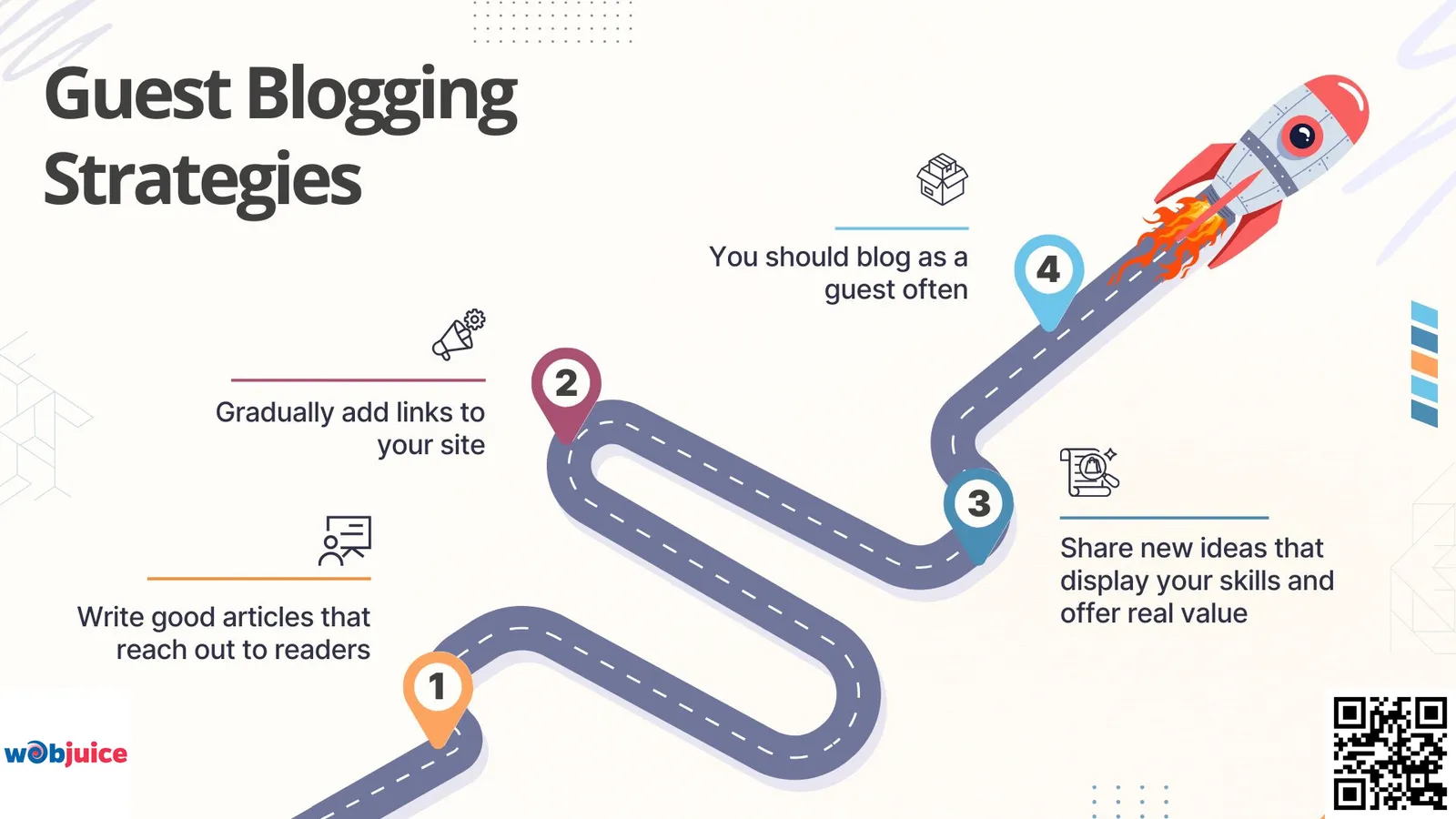
Here are some Effective Guest Blogging Strategies:
- Write good articles that reach out to readers.
- Gradually add links to your site.
- Share new ideas that display your skills and offer real value.
- You should blog as a guest often.
- Writing for different sites helps you build a strong image and get trust.
- Get involved with your readers. Answer their comments and share your posts on social media.
- Watch how guest posts affect your website traffic.
The more you do guest blogging, the more your online authority and visibility on search engines can increase.
This is a good choice that will help you later.
Monitoring Off-Page Efforts
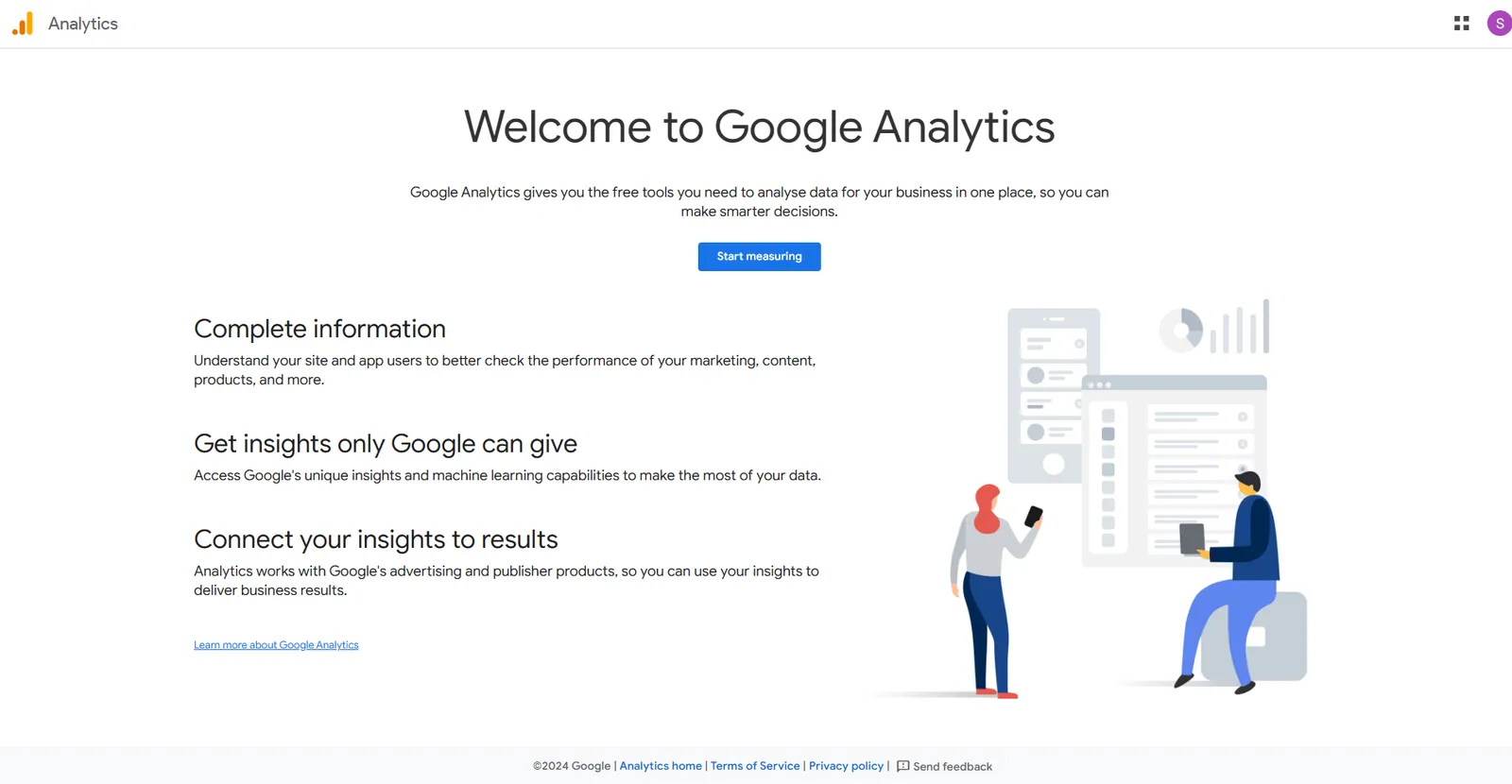
By checking your backlinks, you can see if your methods are working.
Analyzing social signals helps us understand how interested the audience is.
Good link building is important for getting better results in off-page SEO.
Regular checks are really important.
Using different link building methods can help your website gain more trust.
This can help improve your ranking in search results.
Benchmarking insights from competitors give useful information.
Pay attention to these points. This way, you can see if your off-page SEO work is going well.
Make changes if you need to, based on the information you find.
This method can help you keep up with the changing world of SEO.
Tracking Backlink Performance
Here’s how you can track your backlinks to see how they are doing:
- Regularly review the quality of your backlinks.
- Good backlinks from reliable sites make your site look more trustworthy.
- Bad or spam links can harm your ranking.
- Check your referral traffic to see which backlinks bring people to your site.
- Watch for missing or broken backlinks. They can hurt your SEO work and should be fixed quickly.
- Contact website owners to fix the links or make new ones. Keeping your online presence strong is very important.
Tracking your backlinks can help you see how they are doing.
It shows if your current strategy is working.
Analyzing Social Signals
To understand social signals, pay attention to how people connect on your social media.
Use tools to track these actions. Notice what posts get people talking the most.
A lot of activity can bring more visitors to your website.
This can help your site build trust and rank higher in search engines.
Think about how people feel when they chat with others.
Good feedback can help your brand and bring in more customers.
Bad comments can show where you need to do better.
If you reply to your audience fast, you can change criticism into useful talks.
This way, you can build a loyal group around your brand.
Focusing on social signals can help improve your SEO plan.
When you understand what your audience likes and how they act, you can create better content.
This will increase your online presence and bring the right visitors to your site.
As a result, your SEO efforts will give you good results.
Competitor Benchmarking Insights
Looking at what competitors do for off-page SEO is very helpful. Here are some good points about it:
- It helps you see what works for other people in your field.
- You can find out which methods bring in the most visitors to their sites.
- It shows you where competitors get their links. This can help you build your links.
- You can see areas where you need to improve by comparing yourself to others. This can make your plan better.
- You can find good partnerships that could grow your business.
- By studying your competitors, you can get new ideas and keywords to focus on.
Benchmarking your competitors can improve your SEO efforts.
By looking at your competitors’ backlinks and what they do on social media, you can see how they share their content.
Here’s how to do it:
- Look at how they share their feelings on the internet.
- Notice how they reach out to others on Facebook, Twitter, and LinkedIn.
- Watching what they do can help you plan your social media campaigns.
- Keep going and stay active.
- Learn what your competitors are doing.
- Stay updated on changes in SEO outside your site.
People Also Asked
Detailed answers to common questions about off-page SEO strategies, timeline, tools, risks, and best practices for improving your website’s authority and search rankings.
1. How long does it take to see tangible results from off-page SEO efforts?
Initial Indicators
2-8 Weeks
Meaningful Impact
3-6 Months
Full Potential
6-12+ Months
You may notice initial signals like increased referral traffic or social engagement within weeks. However, significant improvements in search engine rankings and sustained organic traffic growth typically require 3 to 6 months or more.
Key Factors Affecting Timeline:
- Niche Competitiveness: Highly competitive industries require more time and effort
- Backlink Quality: Links from high-authority domains accelerate results
- Existing Domain Authority: New websites take longer to establish credibility
- Strategy Consistency: Regular, quality efforts outperform sporadic campaigns
The compounding effect of high-quality backlinks and positive brand mentions builds enduring digital equity that delivers increasing returns over time.
2. Can off-page SEO effectively work for a new or relatively weak website?
Focus on these initial strategies for new websites:
- Niche Relevance Over Authority: Target smaller, relevant blogs and publications rather than major industry sites initially
- Authentic Community Engagement: Participate genuinely in relevant forums, Q&A sites, and social media groups
- Strategic Guest Blogging: Create exceptional content for reputable but attainable industry blogs
- Local SEO Citations: For local businesses, ensure consistent NAP (Name, Address, Phone) listings across directories
Pro Tip: Begin by creating 3-5 pieces of exceptional “cornerstone content” on your site that you can reference when pitching guest posts or collaborations. This gives potential partners context for your expertise.
These early backlinks and brand mentions signal to search engines that your site is a legitimate, rising entity in your space, helping it gain traction faster than relying solely on on-page optimization.
3. What are the best tools to track and analyze off-page SEO performance?
Backlink AnalysisAhrefs, Semrush, Moz – Monitor backlink growth, quality, and competitor strategies
Brand MonitoringGoogle Alerts, Mention, Brand24 – Track unlinked brand mentions for link reclamation
Social AnalyticsNative platform insights, Sprout Social, Hootsuite – Measure engagement and shareability
Web AnalyticsGoogle Search Console, Google Analytics 4 – Track referrals and search performance
Critical Metrics to Track:
- Domain Authority / Domain Rating changes over time
- Referring domains growth rate and quality assessment
- Organic traffic from keywords you’ve targeted with off-page efforts
- Referral traffic volume and engagement from earned backlinks
- Brand mention frequency and sentiment across the web
Cost-Effective Starting Point: Begin with Google Search Console (free) and Google Alerts (free) for basic monitoring. As your budget allows, invest in Ahrefs or Semrush for advanced backlink intelligence and competitive analysis.
4. Is there a genuine risk of search engine penalties with off-page SEO?
High-Risk Practices That Can Trigger Penalties:
- Purchased Links: Buying large volumes of low-quality links from link farms or Private Blog Networks (PBNs)
- Excessive Reciprocal Linking: Artificial link swaps that create unnatural linking patterns
- Automated Link Building: Using tools to create spammy blog comments, forum profiles, or directory submissions
- Irrelevant Links: Acquiring links from completely unrelated websites purely for SEO value
These black-hat SEO tactics aim to manipulate rankings artificially and can result in manual actions from Google, leading to severe ranking drops or even complete de-indexing.
The Safe Approach: Focus on E-E-A-T (Experience, Expertise, Authoritativeness, Trustworthiness) principles. Ask yourself: “Am I building genuine digital relationships and reputation, or just manipulating link graphs?” Earn links through exceptional content, legitimate partnerships, and authentic public relations.
If You Suspect Penalties: Use Google Search Console to check for manual actions, audit your backlink profile regularly, and use Google’s Disavow Tool cautiously to distance yourself from toxic links you didn’t create.
5. How often should I audit and update my off-page SEO strategy?
Quarterly Audit Checklist:
- Toxic Link Analysis: Identify and disavow spammy or harmful backlinks using Google’s Disavow Tool
- Competitor Benchmarking: Analyze competitors’ new backlinks, partnerships, and social presence
- Performance Evaluation: Assess which activities deliver the best ROI (guest posts, influencer collaborations, etc.)
- Channel Assessment: Determine if current social platforms and outreach channels remain effective
- Target List Refresh: Update your media, blogger, and influencer contact databases
Monthly Maintenance Tasks: Between quarterly audits, conduct these ongoing activities:
- Monitor brand mentions daily/weekly using alerts
- Engage with new social connections and comments
- Pitch 2-4 quality guest post opportunities monthly
- Check Google Search Console for new linking domains
This structured approach ensures your off-page SEO efforts remain efficient, compliant with search engine guidelines, and aligned with evolving business goals. Remember: Consistency in execution combined with regular strategic refinement creates sustainable competitive advantage.
Off-Page SEO for Lasting Authority
In conclusion, off-page SEO is the foundational strategy for building your website’s credibility and achieving lasting visibility. It transcends technical tweaks, focusing instead on cultivating a powerful online reputation through genuine community engagement and strategic partnerships.
To encapsulate the key actionable insights:
Prioritize Quality Backlinks: Focus on earning links from authoritative, relevant sites to boost domain authority and search rankings.
Leverage Social Media: Use platforms to amplify content, engage with your audience, and foster brand mentions that reinforce trust.
Invest in Brand Building: Through guest posting, influencer outreach, and online PR, position your brand as an industry thought leader.
Monitor and Adapt: Consistently track backlink performance and analyze competitor strategies to refine your approach and identify new opportunities.
Ultimately, a successful off-page SEO strategy is a continuous commitment to providing value both on and off your domain. By integrating these external efforts—building quality backlinks, nurturing social signals, and managing your online reputation—you construct an unshakeable pillar of trust. This not only signals to search engines that your site is a valuable resource but also organically attracts and retains a loyal audience, securing a competitive advantage and driving sustainable organic growth for years to come.