

In today’s digitally-driven marketplace, visibility is synonymous with viability, especially for businesses targeting community-specific audiences. The cornerstone of achieving this prominence lies in mastering Local SEO—a strategic discipline that extends far beyond basic listings. This comprehensive guide delves into the transformative power of localized content and meticulously crafted location pages, revealing them as essential tools for dominating local search results. We will explore how tailoring your digital narrative to resonate with local interests, culture, and search intent builds authentic connections and establishes critical trust with your target audience.
The journey to local search supremacy begins with understanding that search engines prioritize relevance and authority within a geographic context. This guide provides a actionable blueprint, from conducting precise local keyword research that captures community-specific queries to developing optimized location pages rich with accurate NAP (Name, Address, Phone) data, engaging testimonials, and strategic schema markup. Furthermore, we outline proven best practices for genuine local engagement and, crucially, demystify how to measure success through key performance indicators. By implementing these focused strategies, businesses can significantly enhance their local search rankings, drive qualified traffic, and ultimately convert online visibility into sustainable, real-world growth and revenue.
Key Takeaways
- Local content and location pages help improve local SEO results. They increase interest by focusing on what the community cares about and help show up better in local searches.
- To make good location pages, put in correct business details and special content that fits local people.
- Use local keywords in your content to help climb search engine lists.
- Share customer reviews and talk about community efforts to gain trust and credibility with your local audience.
- Use data to check how well you are performing in local searches. This can help you adjust your plans and get more visibility.
Importance of Localized Content
Localized content is important for engaging your target audience.
Making content suited to certain geographic areas helps you connect with local consumers.
This boost in connection increases your chances of appearing in search results.
When you use local keywords, references, and community details, you show search engines that your content matters to users in that area.
This approach brings in new customers and builds trust.
People like businesses that understand their local culture and needs.
Localized content also increases customer engagement.
When potential clients see content that covers their needs, and interests, they are more likely to connect with your brand.
This connection can lead to higher sales.
Crafting Effective Location Pages
To make good location pages, begin by showing the exact place you want to focus on.
Use interesting headings and subheadings to make it easier to read.
Make sure your location pages are ready for search.
Include correct and recent business details.
Include special, high-quality content that talks directly to your audience.
Describe your services and how they help the local community.
Use visuals, like images and maps, to make a more interesting experience.
Don’t forget to showcase customer testimonials and case studies.
Make sure your location pages are ready for local search.
Include important NAP (Name, Address, Phone number) details and add a Google Maps embed.
Additionally, use schema markup to improve how your listing shows up in search results.
Keyword Research for Local SEO
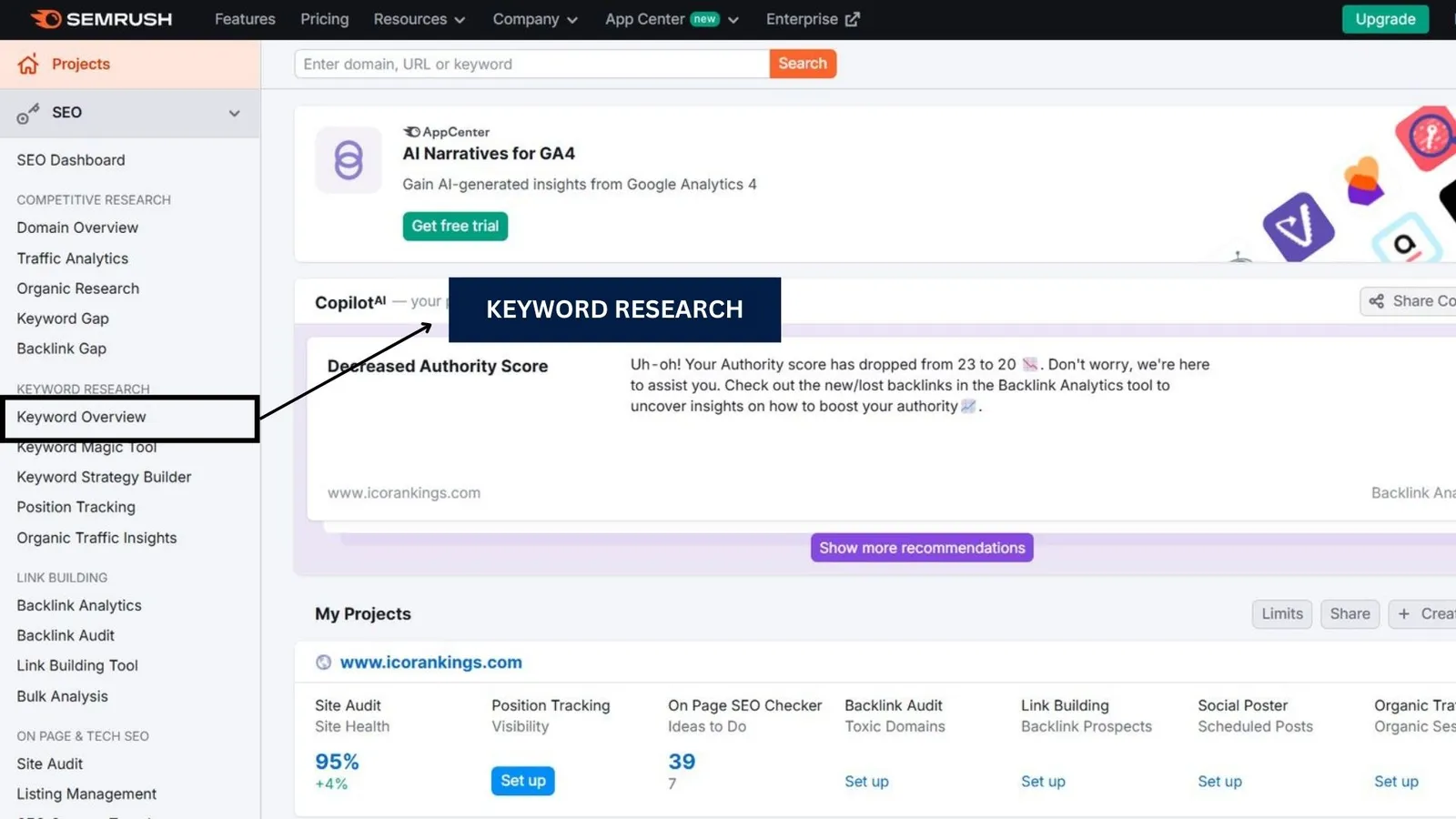
Start by thinking of keywords that match your products or services.
Think about what customers may type when they search online.
Use tools like Google Keyword Planner or SEMrush to improve your list.
Focus on keywords that mention your location.
Look at local search trends and keywords from competitors.
This helps you see what works in your area and shapes your plan.
Long-tail keywords usually have less competition and can lead to more clicks.
After you gather your keywords, use them in a way that fits your website content, meta descriptions, and location pages.
Best Practices for Local Engagement
Start by creating content that shows local interests, events, and culture.
Share stories that feel important to residents, showing why your business is valuable to them.
Local reviews have a big effect on how people see your business in the community.
So, ask your happy customers to share their good experiences online.
Use social media to start talks and connect with your audience.
Answer comments and messages fast to build trust and support a loyal community.
Host local events or take part in community projects.
This will help you build your presence and make your brand feel more connected to people.
Work with other local businesses to promote each other.
This helps you reach more people and builds your presence in the community.
Measuring Success in Local SEO
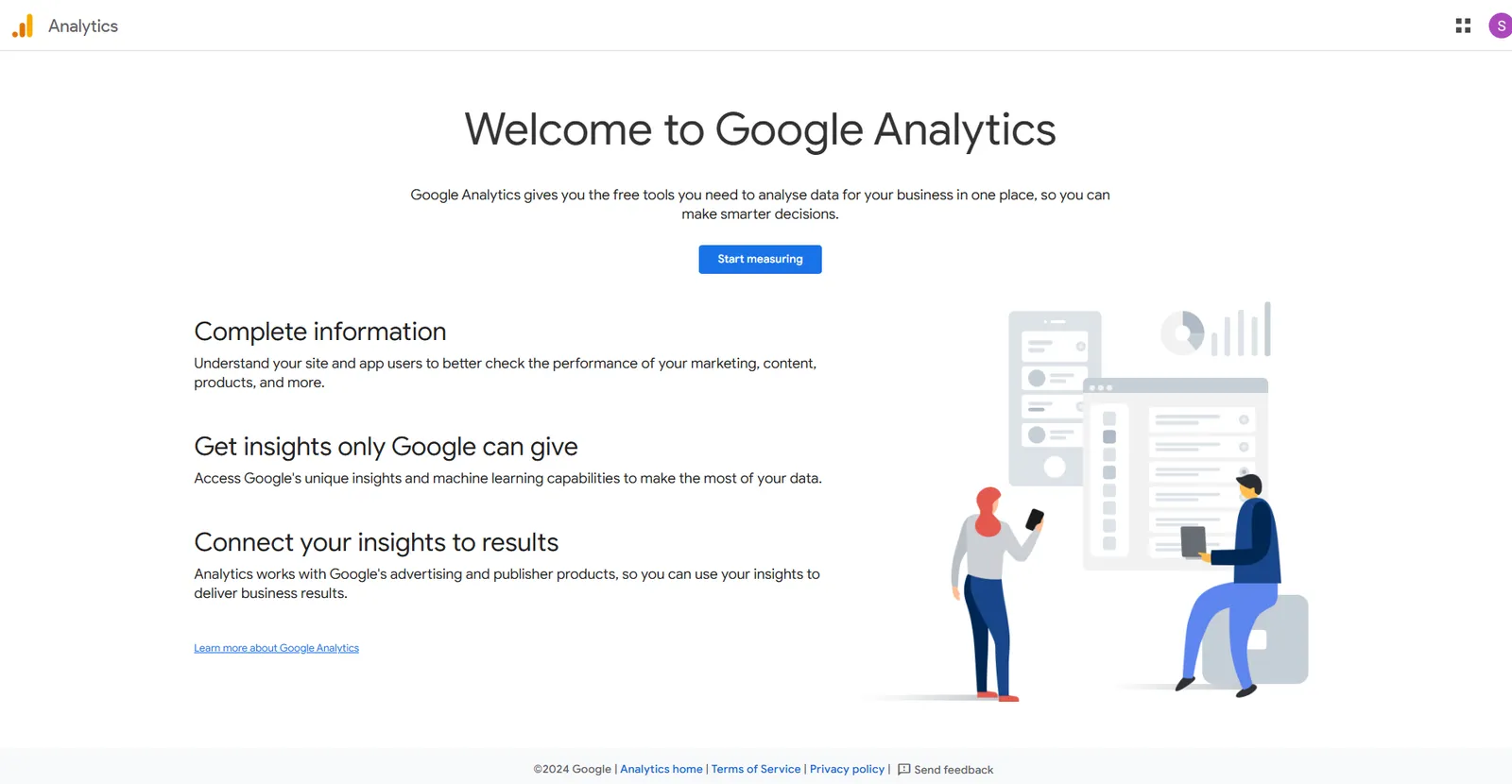
To check how well you are engaging locally, start by tracking the traffic to your website and your local search rankings.
Use tools like Google Analytics and Google Search.
Watch metrics like clicks, impressions, and average ranking.
These insights will help you see how well your local content draws in visitors.
Check your conversion rates next.
A high conversion rate shows that your local SEO strategies in Dublin connect well with your audience.
Keep track of local citations and reviews.
The number and quality of them can affect your local search visibility.
Ask happy customers to leave good reviews.
This can improve your reputation and bring in more local traffic.
Frequently Asked Questions
What is the main difference between a regular service page and a dedicated location page?
A regular service page describes your offerings broadly, while a dedicated location page serves as a geo-specific hub optimized for a particular city or region. The critical distinction is hyper-local optimization.
Effective location pages must include:
- Unique content addressing local concerns and landmarks
- Natural integration of local keywords (e.g., “plumbing services in Dublin”)
- Complete and consistent NAP data (Name, Address, Phone)
- Local customer testimonials and case studies
- Service area specifications and local partnership mentions
This specialized approach sends strong geographic relevance signals to search engines, significantly boosting your visibility in local pack rankings and map results for targeted areas.
Why are customer testimonials and reviews so critical for local SEO?
Customer reviews function as digital social proof and are among the top ranking factors for local search algorithms. They serve dual purposes:
For Search Engines:
- Provide freshness signals indicating active business engagement
- Offer keyword-rich content mentioning services and locations
- Demonstrate business credibility and authority through user-generated content
For Potential Customers:
- Increase click-through rates from search results by 15-25%
- Reduce conversion friction by establishing immediate trust
- Provide authentic insights into customer experiences
Businesses with a consistent review acquisition strategy typically see 20-30% higher local search visibility compared to competitors with minimal reviews.
How does schema markup help my location pages, and is it complicated to implement?
Schema markup (specifically LocalBusiness schema) acts as a standardized language that helps search engines precisely understand and display your business information.
Key Benefits:
- Enables rich snippets in search results (stars, hours, pricing)
- Improves click-through rates by 15-30%
- Enhances voice search compatibility
- Reduces confusion about business details across platforms
Implementation Made Simple:
While schema involves code, modern solutions eliminate complexity:
- WordPress SEO plugins (Yoast SEO, Rank Math) offer one-click schema generation
- Google’s Structured Data Markup Helper provides guided setup
- CMS platforms often have built-in schema modules
- Local SEO tools automate schema creation for multi-location businesses
Implementation typically takes 30-60 minutes per location page and offers immediate SEO benefits.
Can I use duplicate content with just city names changed on location pages?
Absolutely not. This practice, known as thin content or doorway pages, violates Google’s Webmaster Guidelines and can result in ranking penalties.
Why This Approach Fails:
- Search engines detect and devalue duplicate content
- Fails to provide unique value to users in different locations
- Misses opportunities for genuine local keyword optimization
- Damages brand credibility and user experience
Best Practice Alternative:
Each location page requires substantially unique content including:
- Local community references and landmarks
- Area-specific service considerations
- Unique customer testimonials from that location
- Local team member introductions (if applicable)
- Community involvement and partnerships
This authentic approach builds geographic authority and delivers better results for both users and search engines.
What are the most important metrics to track for local SEO success?
Effective local SEO measurement focuses on metrics that reflect local search visibility and intent-driven conversions.
Primary KPIs to Monitor:
Visibility Metrics
- Local pack rankings for core keywords
- Google Business Profile impressions
- Map visibility in target areas
- Local citation consistency score
Engagement Metrics
- Click-through rate from local searches
- Website actions from Google Business Profile
- Local landing page bounce rate
- Review acquisition velocity
Conversion Metrics
- Phone calls from local listings
- Contact form submissions by location
- Direction requests to physical locations
- Local conversion rate vs. overall average
Recommended Tracking Tools:
- Google Search Console for local query performance
- Google Analytics 4 with location-based segments
- Google Business Profile Insights for local actions
- Specialized local rank tracking tools (e.g., BrightLocal, Moz Local)
Regular analysis of these metrics enables data-driven optimization of your local SEO strategy.
Mastering Local SEO: Your Blueprint for Community-Centric Growth
To summarize, excelling in local search is not a passive endeavor but a strategic commitment to becoming an integral part of your community’s online and offline landscape. The path to success is built on two pillars: creating hyper-relevant localized content that speaks directly to local needs and interests, and developing technically-sound location pages that provide clear, trustworthy information to both users and search engines.
Key Implementation Steps Recap:
Optimize & Structure: Ensure every location page features complete business details, high-quality local content, and schema markup for enhanced visibility.
Engage & Build Trust: Actively cultivate customer reviews, participate in community initiatives, and use social media to foster authentic local relationships.
Analyze & Refine: Regularly monitor performance through analytics—tracking rankings, traffic, and conversions—to make data-driven improvements to your strategy.
By embracing these practices, you transform your business into a locally-recognized authority. This leads to improved search rankings, increased website traffic from high-intent local customers, and a stronger, more profitable market position. The journey requires consistent effort, but the reward is lasting visibility and growth within the communities you serve. Begin auditing your local SEO today to unlock this powerful channel for connection and conversion.