In an era where consumer trust is paramount, influencer marketing has evolved from an experimental tactic to a vital, results-driven channel for sustainable brand growth. Effective influencer outreach serves as the critical bridge, connecting brands with authentic voices to foster genuine community engagement, enhance credibility, and drive measurable business outcomes. This strategic process moves beyond simple sponsorship, focusing instead on cultivating meaningful partnerships with content creators whose audiences perfectly mirror your target market.
Mastering this discipline requires a meticulous framework built on four key pillars: precise influencer identification, personalized engagement, authentic relationship-building, and rigorous performance analysis. This definitive guide provides a actionable blueprint for each stage. You will learn to decode engagement metrics and niche relevance to select ideal partners, craft outreach messages that convert, and develop long-term collaborations rooted in mutual value. Furthermore, we detail how to track key performance indicators—from engagement and reach to conversions and ROI—to continuously optimize your campaigns.
By implementing these proven strategies, you can transform your influencer outreach into a scalable and predictable engine for brand growth. The following insights will equip you to launch campaigns that not only amplify your message but also build lasting brand equity and deliver a superior return on investment in today’s competitive digital landscape.
Key Takeaways
- Finding the right influencers is essential. You should see how they connect with people. Making your approach personal is important too. A strong relationship with them is crucial. It is also important to know how well the work is performed.
- To begin, you should find influencers who have an audience that fits your target market. This allows you to reach more people. Next, it is key to look at engagement metrics like likes and comments. This will help you pay attention to influencers who connect well with their audience and not just those with many followers.
- Personalizing your messages is important. Think about the content and interests of influencers. Show clearly how you can both benefit from working together. This way, you can build strong connections.
- Building real relationships is important. You should engage with influencers’ content regularly. This helps create trust and can lead to lasting partnerships.
- Lastly, see how well the goal did by looking at KPIs. Watch the engagement, reach, and results. This review helps make better plans for future goals.
- You can use these strategies to build great influencer campaigns. They will give you better results and stronger partnerships in the long run.
Understanding Influencer Marketing
Influencer marketing helps brands connect with people in a better way.
It relies on the trust and audience of well-known figures.
Working with influencers relies on the trust they have in their followers.
Using influencer marketing helps us reach specific markets effectively.
Influencer campaigns help increase engagement.
They create loyalty to brands.
Links from influencer posts improve online presence.
This way of marketing usually brings great results for less money.
Identifying the Right Influencers
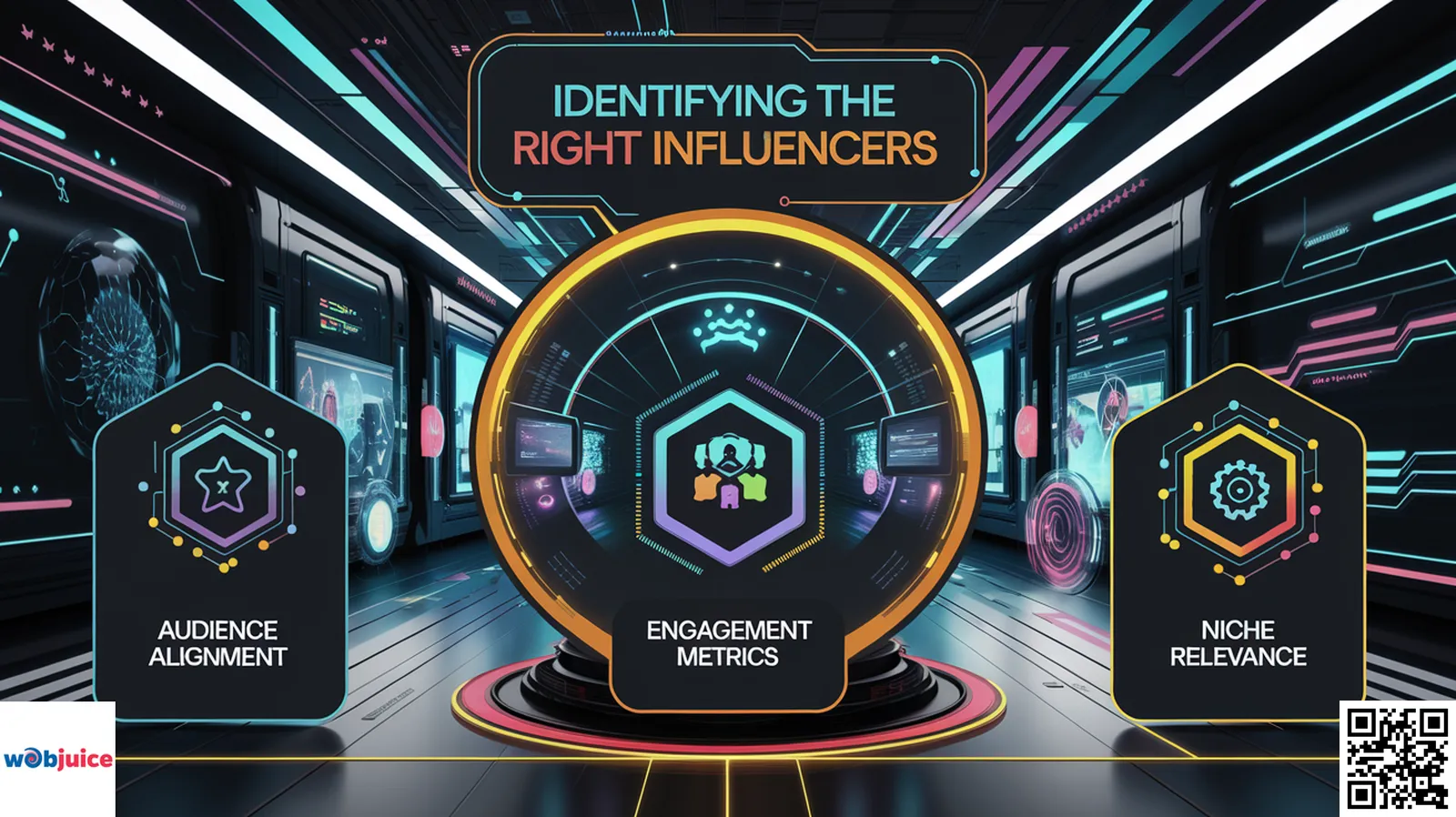
The best influencers for your brand should match your audience.
They need to have strong engagement numbers and connect to your niche.
Look for people who engage with their content.
This way, your efforts will get the best results for your marketing plan.
Working with the right influencers helps you reach their audience and build trust.
Pay attention to these key points to succeed in your influencer marketing campaigns.
Audience Alignment
To identify the best fit, here are some tips:
- Start by learning about your target group.
- Look for influencers whose followers share similar interests, age, and location as your audience. This match helps your message relate better and gets people to engage.
- Next, check what the influencers share. Their style and values need to fit your brand’s image. When influencers genuinely share your message, it builds trust with their followers. Remember, being honest leads to better results.
- Additionally, think about the influencer’s niche. A good influencer can help you connect with a specific part of your audience, boosting your impact. Use tools like social media analytics and audience insights to see how well the possible influencers are doing in your target market.
Engagement Metrics

Check out their likes, comments, shares, and total interaction rates on posts.
High engagement rates mean the influencer’s audience is active and interested.
This means their endorsements could connect well with customers.
Think about how you talk with others.
Real chats and thoughtful words show that you have a loyal audience.
Simple replies may mean the interest is not strong. Look for people who start talks and help their followers connect with the content truly.
Track how their engagement changes over time.
An influencer with slowly increasing numbers has a growing and excited audience.
This makes what they do even better.
Engagement metrics help you select the right influencers.
Use them wisely to ensure your marketing efforts achieve the best results.
Niche Relevance
Niche relevance is very key for finding influencers that fit your brand and link with your target audience.
It is the foundation for good influencer partnerships and great marketing campaigns.
Understanding engagement metrics helps you find influencers that fit your brand.
Look at people in your field who create content for your market.
Check the topics they cover and how much engagement they have.
This information lets you see people who share your values.
Don’t just look at the number of followers.
How people engage matters more.
A smaller influencer with active followers can do better than a larger one with less interaction.
Consider the tone and style of the influencer.
It should match your brand’s voice.
Finding the right influencers takes time, but it leads to real partnerships.
These partnerships improve brand visibility and increase conversions.
Remember to pay attention to the details of each influencer’s content and audience.
This careful step ensures that the influencers you choose will link with your target audience.
Crafting Your Outreach Message
Here’s how you can craft an effective outreach message:
- To write a good message, make it feel personal.
- Be clear about what you want and keep it short.
- First, check out the influencer’s content.
- See what they like and who their audience is.
- Mention specific posts or campaigns that matter to you. This shows that you value their work. Doing this can help you get a better response.
- Good link-building strategies can help you reach more people and improve your online presence.
- Be clear about your idea. Let them know what you are suggesting, like working together, a product review, or a partnership.
- Avoid confusing words. Influencers prefer clear messages. Make it simple for them to agree by showing how it benefits everyone.
- Describe how the partnership connects with their brand and audience.
- Keep your message brief. Influencers receive a lot of requests, so be clear. Use a friendly and professional tone that fits your brand’s style.
Building Authentic Relationships
Start by engaging often with their content.
Leave meaningful comments on their posts. Share what they do.
Understanding link-building can strengthen your relationships with influencers.
Collaboration often involves sharing useful content and links.
Next, make your messages personal.
Stay away from messages that are too broad.
Change how you talk to show why you admire what they do.
Share how their work matches your brand’s values.
Remember to stay in touch. Keep your talks regular.
This way, you build trust over time.
When you reach out, say exactly what you want.
Be open to their thoughts and ideas. This teamwork builds stronger, real relationships.
Measuring Campaign Success
Start by checking how people engage with your content, such as their likes, comments, and shares.
White-hat link-building methods can boost your influencer campaigns.
Next, think about reach and impressions.
These numbers show how many people looked at your content.
Keep track of the traffic your website gets from posts made by influencers.
You need to know how many users did something after they saw your campaign.
This means checking sign-ups, purchases, or downloads.
Make sure to build real connections with influencers.
Check how well you are doing by looking at engagement, reach, referrals, and conversions.
These measurements will help you in your future campaigns and partnerships.
Best Practices for Outreach
Here are some of the best Practices for Outreach:
- Reaching out to influencers can make your effort more seen and interesting. To get good results, find the right influencers that fit your brand and audience. Check what they share and how people respond to their posts.
- Make your message personal. Use the names of the influencers you reach out to. Mention their work and explain how a partnership could be beneficial for both of you. Consider offering them a chance to guest post in your collaboration.
- Be clear about what you want and what you can offer in return. This could be money, free items, or a chance to be noticed. Be truthful.
- Timing is key. Reach out to influencers when they are less busy. A good time is after big events or holidays.
- If you don’t get a reply, ask again politely. Don’t be too forceful. Building relationships takes time. Engage with their social media posts to show you care.
- Keep track of your efforts. Look at which methods work best. Using this data helps you get better for future campaigns.
Influencer Outreach: Detailed FAQs
1. What Platforms Are Best for Influencer Outreach?
The optimal platform depends on three key factors: your target audience, campaign goals, and content format.
Platform Breakdown:
- Instagram: Ideal for visually-driven lifestyle, fashion, beauty, and consumer goods. Leverage Stories, Reels, and feed posts for aspirational content.
- TikTok: Essential for reaching Gen Z/Millennials through authentic, trend-driven short-form video. Best for viral potential and rapid engagement.
- YouTube: The authority platform for long-form content—tutorials, reviews, documentaries. Perfect for complex products or building deep trust.
- LinkedIn: Highly effective for B2B, professional services, and industry thought leadership.
2. How Do I Find Micro-Influencers in My Niche?
Effective discovery requires a proactive, multi-pronged approach:
- Social Listening: Use niche-specific hashtags, geotags, and keywords on Instagram/TikTok to discover organic conversations.
- Community Mining: Explore relevant Reddit threads, Discord servers, and Facebook Groups where authentic voices emerge.
- Platform Tools: Leverage dedicated influencer marketing platforms (AspireIQ, Grin) or social listening tools (Hootsuite, Brandwatch) for filtered searches.
- Owned Channel Analysis: Audit your brand mentions and tagged content—your ideal micro-influencers may already be using your products.
Prioritize creators with high engagement rates (comments, shares, saves) over raw follower count.
3. What is the Normal Response Time for Influencers?
Response windows vary significantly by influencer tier and professionalism:
- Micro/Mid-Tier Influencers: Typically 24-72 hours for initial response (they often manage their own outreach).
- Macro-Influencers/Celebrities: May take weeks or route through agents/managers.
- Optimal Timing: Send pitches mid-week (Tuesday-Thursday), avoiding weekends and major holidays.
4. Should I Offer Payment or Free Products?
This decision should align with your budget, goals, and the influencer’s value:
Compensation Models:
- Gifted Collaborations (No Guarantee): Sending free products without posting requirements. Low-risk for product seeding and initial relationship building with micro-influencers.
- Paid Sponsorships: Industry-standard for guaranteed, contractual content creation. Necessary for deliverables, exclusivity, and usage rights.
- Hybrid Model: Often most effective—offer fair monetary compensation plus complimentary product access.
Always be transparent about expectations. Established influencers with valuable audiences expect professional compensation for their work and reach.
5. How Do I Handle Negative Responses?
A negative response is a critical learning opportunity and brand management moment:
- Listen & Empathize: Acknowledge their perspective without defensiveness.
- Professional Courtesy: Thank them for their time and candor—this protects your brand reputation.
- Diagnostic Analysis: Was your pitch too generic? Was the offer undervalued? Use the feedback to refine future outreach.
- Long-Term Mindset: A graceful response can leave the door open for future opportunities or referrals.
Summary
Implementing a strategic influencer outreach program is an investment in your brand’s long-term relevance and growth. As demonstrated, success is not accidental but the direct result of a methodical, data-informed, and relationship-centric approach.
To solidify your strategy and ensure lasting impact, remember these core actionable takeaways:
Prioritize Alignment Over Reach: Meticulously vet influencers for authentic audience and value alignment with your brand, as genuine resonance consistently outperforms sheer follower count.
Personalize to Professionalize: Every outreach message must be tailored, demonstrating a clear understanding of the influencer’s work and articulating a compelling, mutually beneficial partnership proposal.
Foster Relationships, Not Transactions: Commit to ongoing engagement and fair collaboration terms to build trust, transforming one-off campaigns into enduring brand advocacy.
Measure, Analyze, and Iterate: Define clear KPIs from the outset and use analytics to track campaign performance rigorously. This data is indispensable for refining strategies and proving ROI.
By embedding these principles into your marketing foundation, you elevate influencer outreach from a tactical expense to a core strategic function. This disciplined approach empowers you to forge powerful alliances, amplify your brand’s authority, and achieve scalable, sustainable growth. Begin applying these frameworks today to transform your influencer partnerships into one of your most valuable marketing assets.