
In the competitive digital landscape, achieving meaningful growth requires strategies that build authority, trust, and visibility. Guest post outreach emerges as a cornerstone tactic for forward-thinking brands and SEO professionals. This strategic process involves identifying and collaborating with authoritative blogs within your niche to publish high-quality content, thereby earning valuable backlinks and accessing established audiences.
When executed with precision, guest blogging transcends simple link acquisition. It is a powerful conduit for enhancing brand recognition, positioning you as an industry thought leader, and driving targeted, organic traffic to your website. The efficacy of this approach hinges on a meticulous methodology: from researching and selecting the perfect target publications to crafting personalised outreach messages and persistent follow-up. Success demands a commitment to creating exceptional, reader-centric content that aligns with the host site’s standards and audience expectations.
This guide delves into the art and science of effective guest post outreach. We will explore how to identify high-potential blogs, construct compelling pitches that highlight mutual value, and nurture the long-term relationships that form the backbone of any successful digital PR campaign. By mastering these steps, you can systematically boost your domain authority, improve search engine rankings, and solidify your online presence in a sustainable, impactful way.
Key Takeaways
- Guest post outreach is a smart way to make connections and improve your online presence.
- You do this by working with blogs that fit your area of interest. It’s important to write personal messages. This shows you care and can lead to more positive replies from possible blog partners.
- You need to create a clear value proposition. This explains why guest posts are good for both sides. It can help with SEO and get more people interested. When done well, outreach can increase how people see your brand. It can also bring more traffic by getting backlinks from trusted sites.
- To make your plans better, you should check how well you are doing now. You can track response rates and see the quality of your backlinks.
- When you reach out, use clear and direct language. Keep your sentences short and avoid complicated words. And remember, UK spelling is best here. Always aim for clarity and be brief in your guest post outreach.
Understanding Guest Post Outreach
Guest post outreach is a smart way to make connections and boost your online presence.
It means contacting useful blogs and websites to create strong relationships that help your brand grow.
Guest posting is a good way to use this tool. It helps you make high-quality backlinks.
When you do guest posting, you are looking for more than just backlinks.
You are also creating chances to work together and reach more people.
You should find websites in your area that fit your message and values.
Once you find possible partners, create personalized messages.
This is not just about sharing your content.
It is about showing that you are an expert in your area.
Each guest post is a way to show your knowledge.
This can make you more visible and bring more visitors to your site.
Benefits of Guest Posting
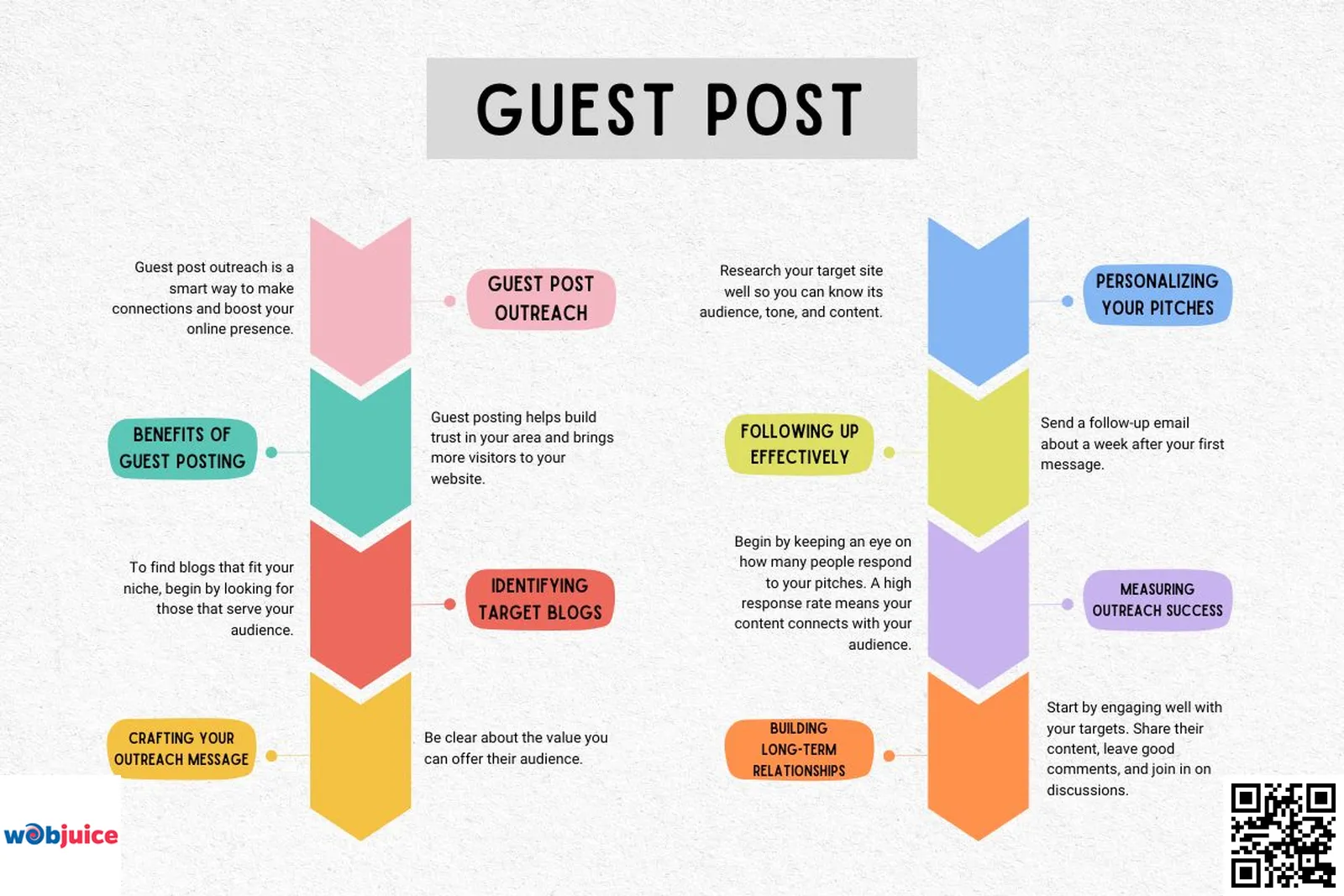
Guest posting helps build trust in your area and brings more visitors to your website.
Effective link building strategies help create good connections in your industry.
These connections can result in long-lasting partnerships and teamwork.
Each good guest post acts like a bridge.
It links you to new people and raises your chances of success.
Guest posting is a strong way to grow your audience and boost your presence online.
It lets you reach readymade audiences and connect with new customers.
When you regularly create good content for other sites, you can build your reputation as an expert in your area.
This added trust can lead to more faith from your audience.
This can help create more chances for business.
Enhances Brand Visibility
Guest posting can greatly increase how many people see your brand.
By sharing good content on well-known blogs, your brand gets in front of its readers.
More people will notice you, and it brings new visitors to your website.
When more quality sites show your content, search engines see your website as trustworthy.
Engaging with more people shows your products or services to new customers.
These people might not have found you otherwise.
Sharing your knowledge helps build trust. It also encourages readers to learn more about your brand.
Guest posting helps you get shared on social media.
This can make your audience bigger. If you keep giving useful content, people will see you more.
It also builds connections with other influencers in your area. This opens the door for future teamwork.
Builds Authority Online
Guest posting helps you gain authority online which is important for long-term success.
Guest posting helps you use the host site’s trust.
Your ideas show up next to the top people in the industry.
This makes readers see you as an expert.
This view is important because people like brands they see as smart and reliable.
The backlinks from guest posts are important for SEO.
Search engines view these links as approvals, making your site’s credibility stronger.
Over time, this can help raise your rankings in search results, making your authority even better.
When you add useful content to well-regarded sites, you are doing more than sharing facts.
You are building a reputation as a reliable voice in your area.
Building authority takes time.
It needs regular effort and good contributions.
But with every guest post, you are building another brick in the base of your online trust.
Increases Website Traffic
Guest posting helps your brand reach more people by sharing articles on well-known sites that fit your field.
When readers read your guest post, they may click on your website to learn more about what you know.
Guest posting also helps with SEO.
Good backlinks from trusted sites show search engines that your content is important.
Another good thing is reaching out to current audiences.
By using the followers of other blogs, you can quickly connect with people who are already interested in your field.
Guest posting can strongly affect website traffic in many ways.
It brings direct referrals, boosts your search visibility, and helps you reach a specific audience.
Regular guest posting can bring in a steady flow of new visitors.
This can help your business grow and succeed online.
Identifying Target Blogs

To find blogs that fit your niche, begin by looking for those that serve your audience.
Use Google, social media, and blog listings to create a list of sites you can reach out to.
Effective outreach strategies can increase your chances of getting guest posting chances.
Evaluate the authority and traffic of each blog.
Tools like Moz and Ahrefs can help you understand how well a blog is doing.
Pick blogs that have good engagement and authority.
This way, your guest posts will reach more people and help your SEO plan.
Analyze the quality and importance of your content.
Read recent posts to see if they match your brand message.
A blog that shares content like your area of expertise is a good match.
Look at how much people engage with the blog.
Check for active comments and shares on social media.
This shows that the audience is involved and makes your guest post more valuable.
Crafting Your Outreach Message
Be clear about the value you can offer their audience.
This can boost your chances of being accepted.
Guest post outreach like effective blog commenting needs careful engagement.
Try to add value to the discussion.
Show your knowledge and personal viewpoint in your message.
Remember, a good follow-up can make you stand out.
Use clear language and short sentences.
Don’t use difficult words when easy ones work.
Use active voice to make your message strong and easy to understand.
Highlight important points instead of single words.
A well-made message can lead to great chances for guest posting.
Personalization Is Key
Personalization shows your commitment and helps build trust.
Look into the person’s content and audience. This will make your outreach better.
Talk about the specific posts that inspired you to reach out.
This shows real interest in working together.
Point out shared interests or links to make your message stronger.
Using their name in the greeting is not enough.
Your message should show that you understand their brand.
Talk about how your content matches their goals or what their audience needs.
Making your messages special for each blogger or website gets noticed.
By personalizing, you can get a good response.
It shows you care about the other person’s time and job.
This can help you get a chance to write a guest post.
Clear Value Proposition
When you contact possible guest post partners, you need to highlight what makes you different and why they should work with you.
Start by showing the special benefits your SEO services provide.
These include better search rankings, more organic traffic, and higher brand visibility.
Be clear about what you know.
Talk about your past work and share examples of campaigns or case studies.
Next, explain how a guest post on their site can help their audience and improve their content plan.
By focusing on shared benefits, you create a situation that is good for both sides and attracts their interest.
Additionally, make your message feel warm and friendly.
Use a nice tone while staying professional to build a good connection.
Follow-Up Strategies
Send a follow-up email about a week after your first message.
Keep your tone friendly and professional when you follow up.
Remind them of your first message.
Mention the value you can offer to their audience.
Suggest ideas for new topics that fit with their content plans.
Consider sharing ideas about SEO benefits.
Explain how your posts can improve their website’s authority or bring in more visitors.
Showing these benefits can make your proposal more attractive.
Being persistent is important, but do not be too aggressive.
A good follow-up can create chances.
Take the time to show your knowledge and dedication to great content.
These tips will help you write good follow-up messages.
Personalizing Your Pitches

Research your target site well so you can know its audience, tone, and content.
Mention specific articles they have shared to show you respect their platform.
Mastering outreach means changing your method for each influencer.
Focus on what makes them special. Match your ideas with their themes.
Provide a new perspective that fits well with what they already have.
Show how your skills in SEO can improve their site’s visibility.
Mention your experience, and share good case studies or data.
Keep your pitch clear and simple.
Use an interesting subject line to catch your attention.
Organize your email so it’s easy to read your proposal.
A personal approach builds stronger links and makes you stand out in a busy market.
Personalising pitches show real interest.
It also helps improve rates for getting guest posts.
Following Up Effectively
Send a follow-up email about a week after your first message.
This shows you respect their time and keep your idea in their thoughts.
In your follow-up, briefly go over your first pitch.
Highlight how your content can help their audience.
Keep your tone friendly but professional.
Recognize their busy schedule and show you are excited to hear their thoughts.
Being persistent is important, but you should also respect their time.
A good follow-up can lead to new chances and help you build important connections in your field.
Following up can boost your chances of getting a guest post.
After you send your first message, keep in touch without bothering them.
Measuring Outreach Success
Here’s how to measure how well outreach works:
- After you check on guest post ideas, it’s important to see how well your outreach works. Begin by keeping an eye on how many people respond to your pitches. A high response rate means your content connects with your audience. A low response rate shows you may need to change your message or who you are targeting.
- Off-page SEO strategies like guest posting can help you shine online and raise your search engine rankings. It’s important to check how well these efforts work to improve your method.
- Next, check the quality of your backlinks. Not all links are the same. Links from trusted sites hold more value and can improve your SEO efforts. You can use tools like Ahrefs or Moz to look at the authority of sites where you have contributed.
- Monitor the traffic from your guest posts. Google Analytics can help you see how many visitors come from these links. This lets you check how well your outreach works. Look at measures like bounce rates and time spent on the page to know more about interest.
- Think about how this affects your site’s authority. A good campaign should help your site’s authority grow over time. When you check these parts, you will know how you are doing now and improve your plan for future efforts.
Building Long-Term Relationships
Start by engaging well with your targets.
Share their content, leave good comments, and join in on discussions.
When you show real interest, you are more likely to be remembered when you ask for guest posting.
Make your pitches feel personal.
Point out how your skills match their audience’s interests.
This shows you care about their platform and are not only after a backlink.
Moreover, keeping in touch is very important.
After your posts, reach out to them, thank them for the chance, and share how your teamwork went.
This creates a good feeling and makes them think of you for future projects.
Guest Post Outreach: Comprehensive FAQs
Expert answers to common questions about guest blogging strategy, content creation, and SEO optimization for maximum impact.
How Can I Effectively Manage Multiple Guest Post Contributions Simultaneously?
Managing simultaneous guest post contributions requires strategic organization and quality control. Successful execution involves:
- Project Management Systems: Utilize tools like Trello, Asana, or Airtable to track each blog’s unique editorial guidelines, submission deadlines, and contact points
- Content Originality: Avoid content duplication—each article must be uniquely tailored to the host blog’s specific audience and editorial style
- Quality Assurance: Maintain consistent quality across all submissions to protect and enhance your author reputation
- Calendar Management: Implement a content calendar to stagger deadlines and ensure timely delivery across all platforms
Which Content Formats Deliver Optimal Results for Guest Blogging Success?
The most effective guest posts address audience pain points while aligning with SEO best practices. High-performing formats include:
- Comprehensive How-To Guides: Step-by-step tutorials that solve specific problems
- Data-Driven Case Studies: Real-world examples with measurable results and analytics
- Industry Analysis Pieces: Thought leadership content that demonstrates expertise
- Actionable Listicles: Well-researched collections of tips, tools, or strategies
- Comparative Analysis: Head-to-head comparisons of tools, methods, or approaches
Always conduct a thorough audit of the target blog’s most-shared content to identify proven formats that resonate with their specific audience.
What is the Ideal Word Count for SEO-Optimized Guest Posts?
While no universal word count exists, research indicates optimal ranges for different objectives:
- 1,000-1,500 words: Ideal for comprehensive coverage, natural keyword integration, and establishing topical authority
- 800-1,000 words: Effective for focused topics with clear solutions
- 1,500+ words: Recommended for pillar content, ultimate guides, or complex industry analyses
Quality consistently outperforms quantity. A well-structured 800-word article that perfectly solves a reader’s problem generates more engagement and backlinks than a 2,000-word piece filled with fluff. Always prioritize:
- Clear, scannable formatting with subheadings
- Natural keyword placement (1-2% density maximum)
- Actionable takeaways and practical applications
- Authoritative sources and data citations
What Strategies Effectively Identify Quality Blogs Accepting Guest Contributions?
Strategic discovery requires a multi-channel approach:
- Advanced Search Operators: Use queries like
"write for us" + [your niche],"guest post guidelines" + [industry], or"contribute to" + [topic] - Competitor Analysis: Examine where industry leaders and competitors publish using tools like Ahrefs or SEMrush
- Professional Networks: Leverage LinkedIn groups, industry forums, and Twitter communities where collaboration opportunities are shared
- Blog Directories: Explore curated platforms like AllTop, Technorati, or niche-specific directory sites
- Content Discovery Tools: Utilize BuzzSumo or Ahrefs Content Explorer to find popular content in your niche
Which Specialized Platforms Streamline Guest Post Outreach and Management?
Several platforms significantly enhance outreach efficiency and effectiveness:
- Help a Reporter Out (HARO): Connects experts with journalists and bloggers seeking sources, often resulting in credited contributions and high-authority backlinks
- Outreach Platforms: Tools like Pitchbox, NinjaOutreach, and BuzzStream offer advanced search filters, automated follow-ups, and campaign tracking
- Content Collaboration Networks: Industry-specific platforms that connect writers with publishers in particular niches
- Media Databases: Services like Muck Rack or Cision provide access to journalist and blogger contact information
- Social Listening Tools: Use Brand24 or Mention to identify bloggers discussing relevant topics who might welcome expert contributions
These tools help scale your outreach while maintaining personalized communication—a critical factor in successful guest post placement.
Mastering Guest Post Outreach for Sustained SEO Success
Ultimately, strategic guest post outreach is an indispensable component of a robust digital marketing framework. It systematically enhances your website’s authority, amplifies brand visibility, and generates qualified organic traffic through earned, high-quality backlinks. The journey from prospect to published author requires diligence—meticulous blog research, personalised communication, and the consistent creation of superior content are non-negotiable for standing out.
To capitalise on this powerful tactic, focus on building genuine relationships rather than transactional links. Measure your success through key metrics like response rates, domain authority of acquired links, and referral traffic. This data-driven approach allows for continuous refinement of your strategy.
Key Actionable Takeaways:
Prioritise Relevance & Authority: Target blogs that truly resonate with your niche and audience.
Personalise Every Interaction: Demonstrate genuine insight into the publisher’s content to build rapport.
Articulate Clear Value: Explicitly state the benefit your expertise offers to their readership.
Commit to Quality: Your guest post should be among the best content on the host site.
Analyse and Optimise: Track performance metrics to perpetually enhance your outreach campaign’s ROI.
By embedding these principles into your outreach ethos, you transform guest posting from a sporadic activity into a scalable engine for sustainable online growth and industry leadership.