
This guide outlines essential SEO strategies for writing blog posts that rank well in search engines. The foundation is understanding your target audience—their needs, problems, and search intent—to create relevant content. A critical step is conducting thorough keyword research using tools to identify terms with high search volume and low competition, incorporating them strategically into your content.
Crafting compelling headlines using power words, numbers, and clarity is vital for attracting clicks. To optimize readability and user experience, use short sentences, clear subheadings, and bullet points to break up text. High-quality, valuable content that addresses audience questions remains paramount.
Technical and on-page SEO are also crucial. This includes optimizing meta descriptions with keywords and calls-to-action, using internal links to distribute site authority, and compressing images with descriptive alt text. Promotion through social sharing buttons and a regular review of analytics to monitor performance are recommended for continuous improvement. Finally, updating old content with new information and keywords ensures it remains relevant and competitive. Consistently applying these practices will increase visibility, drive organic traffic, and establish authority in your field.
Key Takeaways
- To write blog posts that do well in SEO posting, pay attention to your audience. Do some keyword research. Create strong headlines. Make your text easy to read. Also, focus on writing good content.
- Understanding who your audience is and what they like is very important. This information helps you make content that fits their needs and problems. When you do this, you will connect with your readers better.
- Doing keyword research is very important. Find good keywords and phrases that match your content and bring in natural traffic. This step helps search engines find your posts.
- Craft strong headlines using powerful words and numbers. This method grabs attention and improves click-through rates while smartly using keywords. A good headline can change whether a reader clicks or scrolls past.
- Optimize readability by using short sentences and clear subheadings. This improves the user experience and keeps them interested. Simple writing helps readers stay engaged and on your page longer.
- Lastly, focus on good content that gives value and connects with readers. Support internal links to raise site authority and help your SEO. Quality content is more often shared and linked to, which can improve your search rankings.
Understand Your Audience
Think about the people, what they like, and their problems.
These help in making content.
For businesses in a community, understanding what local people need is important for good local SEO.
Create reader personas.
These are made-up versions of your ideal audience members.
When you know your audience well, you can answer questions and offer helpful advice more effectively.
Choose words and a tone that connects with your audience.
They might want a professional feel or a friendly chat.
When talking about local businesses, make sure to keep the right context and meaning.
Change the text for better readability if you have to.
Conduct Keyword Research
Begin by finding keywords that connect with your audience.
Then look into what they are trying to find.
This makes sure you are giving them what they need.
An effective SEO audit can help you find gaps in your keyword plan.
It can also show new ways to improve.
Keyword tools can simplify this job.
They help you discover important information that brings visitors to your site.
Identify Relevant Keywords

Start by thinking of topics that connect with your audience.
Consider their questions and problems.
Then, use tools like Google Keyword Planner or SEMrush.
Analyze the search volume and how much competition there is for each keyword.
By finding the right keywords, you lay the groundwork for a good SEO plan.
This brings in more visitors and improves your online presence.
Analyze Search Intent
To analyze search intent well, begin by looking at the words in the searches.
Find hints that show what stage the user is in during their buying process.
Notice words like “how to,” “best,” or “buy.”
Next, look at the search engine results pages (SERPs) for your target keywords.
The content that ranks high often shows what search engines think is important for users.
Use tools like Google’s “People also ask” feature to find related questions.
These can give good insights into what users want to know about your topic.
Utilize Keyword Tools.
To use keyword tools well, you should first find keywords that have a lot of searches but not much competition.
This helps you smartly improve your content.
Look at the data from these tools.
Use it to choose important keywords that match your content plans and what your audience wants.
Don’t just use short keywords.
Longer phrases can bring in better traffic that is more likely to convert.
By using a mix of short keywords and longer phrases, you can make your content more relevant and easier to find.
Remember to look beyond just finding keywords.
Create Compelling Headlines
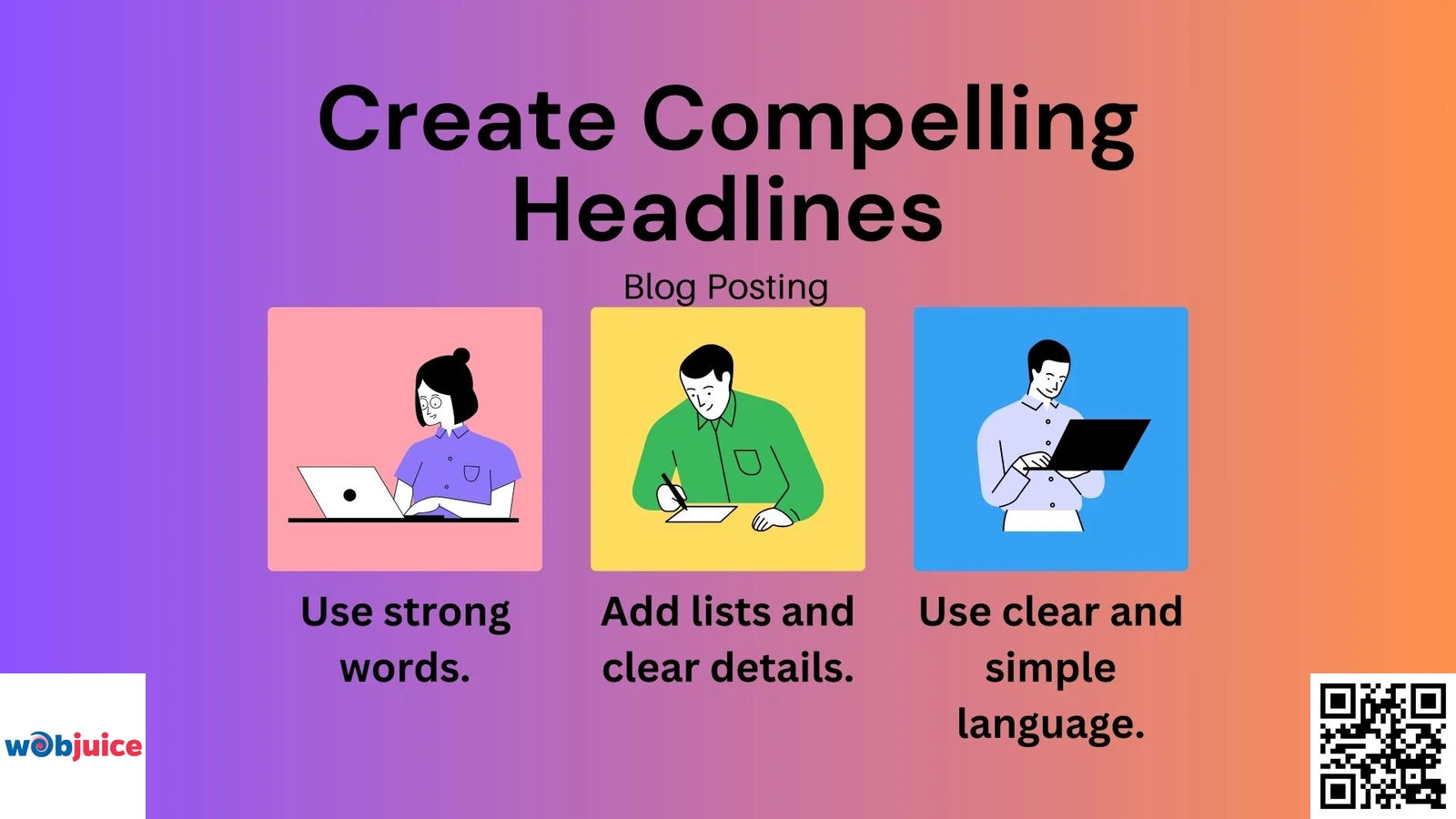
Using strong words, numbers, and clear language is important.
Create titles that attract readers and help search rankings.
Doing well in content marketing in Dublin relies on making headlines that connect with your audience.
Power words are strong.
Use them carefully.
Numbers make your point clearer and build trust.
People enjoy lists and clear details.
Keep things clear and brief.
Short and direct is best.
Use Power Words
Use strong words that connect with what your audience wants.
It is important to find a balance between being creative and being clear.
You want your headline to be different, but it should also show what the content is about.
Also, think about the mood of your audience.
Remember, your headline is often the first thing readers see when they look at your content.
By using strong words well, you not only make your headlines more interesting but also help them rank better in search results.
This plan can greatly improve how many people see your blog and how they join in.
Incorporate Numbers Effectively
Numbers help to space out text and make complicated information easier to understand.
Readers usually glance through content, and numbers help them quickly see the main ideas.
Titles with numbers often do better in search results.
They stand out and get more clicks to your article.
Using numbers or facts in your content can help show you are trustworthy.
When you say that “80% of people like lists,” you are supporting your idea with proof.
This draws in readers and creates trust.
With this simple way, you can create content that catches their attention and stands out in the busy online world.
Keep It Concise
Keep your headlines short and clear.
Try to use six to ten words.
This helps catch attention and improves search engine results.
A shorter length makes it easier to read and share.
Use keywords in the headline.
Pick words that your audience looks for, but don’t use complex terms.
Make sure to show what the post is about.
Use strong words to feel emotions or spark interest.
Words like “key,” “needed,” or “unexpected” can grab attention.
Try different formats, like asking questions, to find out what gets the most attention.
Use Subheadings Strategically
Keep subheadings short but clear.
This helps with SEO and improves the user experience.
Good subheadings help blog posts catch attention in a busy online space.
Remember to use important keywords in subheadings.
This helps SEO and makes it easy for readers to grasp the main ideas fast.
Good subheadings can help people read and understand your content better.
Optimize for Readability
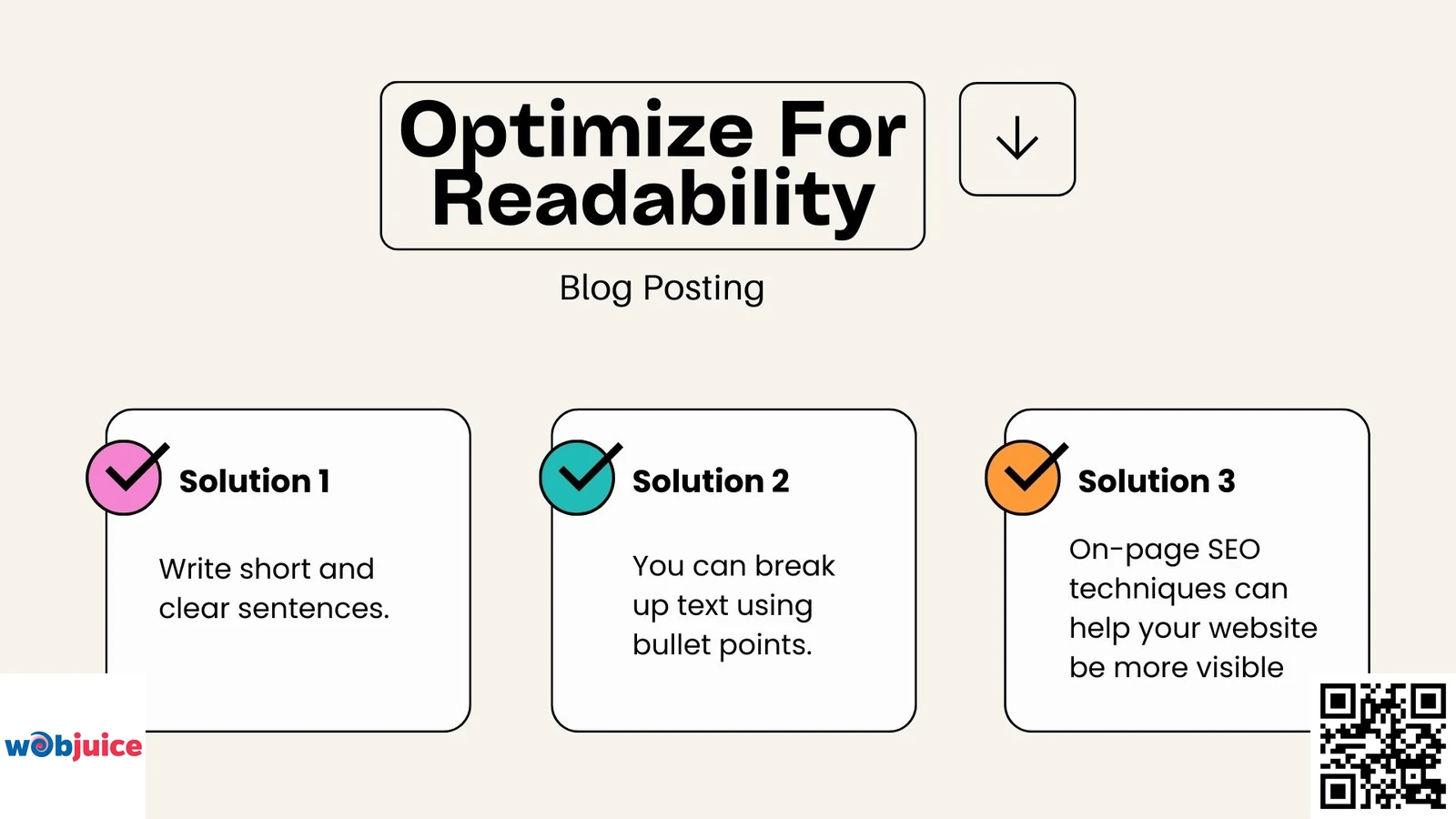
Write short and clear sentences.
Make it easy to understand.
On-page SEO techniques can help your website be more visible and improve how users feel when they use it.
You can break up text using bullet points.
This shows key information clearly.
When your writing is easy to read, it improves user experience.
This can also boost your SEO rankings.
Use Short Sentences
Short sentences make it easier to read.
They keep people engaged.
Short sentences show important ideas.
Readers can scan text fast.
This helps in our quick-moving world.
If the text is hard to read, readers will go away.
Short sentences catch attention.
Your readers will appreciate it.
Incorporate Bullet Points
Using bullet points in your SEO blog posts makes them easier to read and more engaging.
This is very important for SEO.
This makes it easier for readers to remember what they learned.
Also, search engines like content that is easy to read.
So, using bullet points can help improve your rankings.
When making bullet points, use short phrases instead of full sentences.
This way, your content stays clear and direct. You can list benefits, features, or steps to help you understand.
Incorporate Internal Links
Internal links share page authority throughout your site.
This helps less important pages become more visible.
Placing links to popular content can boost the ranking of those linked pages.
Use clear anchor text that shows what the link is about.
This helps users and search engines understand what they will find.
Focus on Quality Content

Creating good content starts with knowing your audience.
Use keyword tools to find important topics and questions.
Make sure your writing is clear and simple, and stay away from complicated words.
Use pictures and facts to back up your claims.
This will make your posts more interesting and more likely to be shared.
When you create content that matches what your audience wants, you are not only helping search engines but also giving value to your readers.
These SEO tips for blog posts help to improve SEO results and gain a more loyal audience.
Utilize Meta Descriptions
To make them work well, you should be clear and relevant.
Use strong words that grab readers’ attention.
Add keywords that match your blog post’s topic.
This will help with SEO and set the right expectations for your content.
Avoid confusing descriptions.
Think about adding a call-to-action to boost user engagement.
Phrases like “Get the secrets of…” or “Find out how to…” can create curiosity and increase clicks.
Regularly change your meta descriptions to keep your content new and up-to-date.
Optimize Images Effectively

Choose good images to keep users interested.
Reduce the size of images without losing quality by using tools like TinyPNG.
Alt text is important for image practice.
Use simple keywords and don’t put too many in at once.
Use responsive images that change for different screen sizes.
By following these blog writing tips for SEO, you’ll improve your content’s search rankings and make users happier.
Implement SEO Best Practices
Start with careful keyword research.
Find keywords that match what your audience is looking for.
Use these keywords in your blog posts.
Next, look at on-page SEO factors.
Write clear title tags and meta descriptions.
Use header tags to organize your content logically.
Keep your URLs clean and specific.
Don’t forget about internal linking.
Link to other useful articles on your site.
Lastly, update your content often.
Keep it fresh and important.
Promote Social Sharing

Start by adding social sharing buttons to your blog posts.
Make these buttons easy to find and use.
Create catchy headlines and interesting visuals that make users want to share.
Bright images and attention-grabbing headlines can boost the chance of social sharing.
Also, ask readers to share your posts by adding a call-to-action at the end of your articles.
Simple phrases like “Share this with your friends!” can make your audience want to take action.
Monitor Analytics Regularly
You’ll want to look at tools like Google Analytics and social media insights.
These tools provide useful data that shows how your posts are done on different channels.
Tracking keyword rankings and organic traffic can show how well your SEO efforts are working.
If some keywords are not bringing in traffic, think about changing your strategy.
You can optimize those posts more or make new content that matches what users want.
Regularly checking your analytics helps you see how you are doing.
It also allows you to make better choices.
By changing your plans using data, you can improve your visibility.
Update Old Content

Start with posts that still get traffic but may be old.
Look for ways to improve information, add new stats, or include the latest trends in the industry.
New content can also bring in more backlinks.
Remember to improve for current blog SEO best practices.
Look at keyword use, meta descriptions, and internal links to make sure they match your goals.
This increases your chances of getting a higher rank in search results.
By following these steps, you are not simply updating content.
You are also giving your SEO strategy a strong boost.
Summary
SEO blog post writing tips can help your blog posts get more views and more comments.
They allow you to reach more readers and show you are an expert in your field.
To do this, you need to know your audience well.
You should also do keyword research and improve your content.
Be sure to check your analytics often and refresh older posts.
This keeps your content up to date.
Paying for SEO services can bring more visitors and better search rankings.
This helps your brand grow and do well online in the long run.
Use clear words and short sentences. Be direct and clear.