

In the relentless arena of modern business, a deep and dynamic understanding of your competitive landscape is not just an advantage—it is an absolute necessity for survival and growth. A comprehensive competitor analysis transcends mere identification of rivals; it is the strategic cornerstone that illuminates market opportunities, reveals customer preferences, and empowers data-driven decision-making. This essential process involves systematically dissecting both your direct and indirect competitors to construct a complete market picture, ensuring you are never caught off-guard by shifting trends or emerging threats.
To execute a flawless competitive analysis, begin by precisely defining your competitor ecosystem. Subsequently, leverage powerful digital tools like SEMrush, Ahrefs, and SimilarWeb to gather critical intelligence on their online performance, from website traffic and keyword strategies to backlink profiles and social media engagement. This data forms the foundation for a rigorous SWOT analysis, allowing you to pinpoint their core strengths to emulate and critical weaknesses to exploit. Crucially, the analysis must extend to evaluating their market positioning, brand messaging, and content strategy to identify unmet customer needs and market gaps.
Ultimately, a meticulously executed competitor analysis is your roadmap to superior market positioning. By continuously monitoring these insights, you can refine your SEO strategy, enhance your value proposition, and craft messaging that resonates powerfully with your target audience. This proactive approach transforms competitive intelligence into a sustainable competitive edge, driving growth and ensuring your brand not only competes but leads in your geographic and digital marketplace.
Key Takeaways
- To do good market research and competitor analysis in your geographic area, start by finding both direct and indirect competitors.
- This clear approach will help you understand the full range of competition and what potential customers want, including how they use social media.
- Next, use tools like SEMrush and SimilarWeb to get basic details about your new competitor’s website traffic and their online presence.
- Doing SEO audits can show you their strengths, weaknesses, and marketing strategies.
- Look at market position, messaging, and selling points to find gaps you can use.
- Keep an eye on new trends with tools like Google Trends is a good idea, so you can change your strategies and spot new chances.
- By doing these things, you will understand your market and potential competitors well, which will help you make smart choices and stay ahead in your field.
Define Your Competitors
Your competitors are businesses that offer similar products or services or meet the same customer needs.
Begin with direct competitors.
Then think about indirect ones.
This wider view helps you see the whole picture.
When you look at your competitors, think about doing a complete SEO audit of their websites.
Sort your competitors by their market share, strengths, and weaknesses.
Look at their branding, how they engage with customers, and their market strategy.
Check their online presence.
Look at their websites, social media presence, and content marketing plans.
A strong digital presence may show good SEO practices to learn from or make better.
Defining competitors is not only about knowing who they are.
It is also about understanding their plans.
You should know how they connect with your target audience.
Gather Data on Competitors
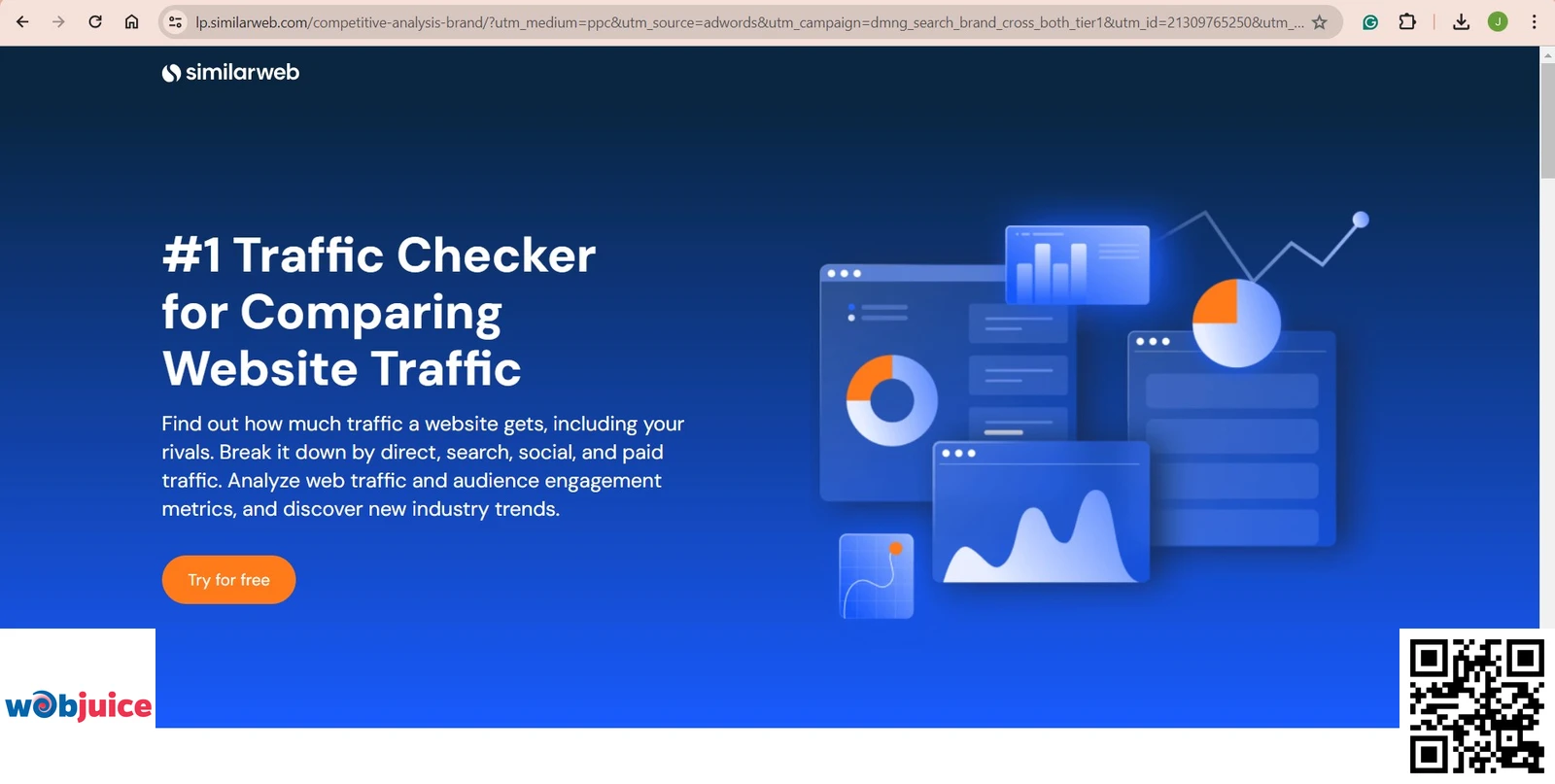
Gathering information about your competitors is finding the right measures to look at how well they are doing.
Examine their website traffic with tools like SimilarWeb.
Do a detailed keyword research audit to learn about their SEO methods and content plans.
Next, look at their content.
Check the types of articles they use, how often they blog, and how much their audience engages in social media posts.
Monitor their keyword strategies as well.
Use tools like Ahrefs to find the keywords they rank for.
Don’t forget about reviews from competitors.
Use this feedback to improve your products or services.
Analyze Strengths and Weaknesses
Looking at what competitors do well and where they struggle helps to see what makes them different.
It also shows ways to improve your own business.
Start by finding out what they do best.
Doing a detailed SEO check on your competitors’ websites can give helpful information about their online marketing strategies and areas where they might be weak.
The next step is to look at their weaknesses.
If a competitor has bad SEO, you can take competitive advantage of this.
You should optimize your website for better search engine placement.
Knowing what your competitors are good at and where they struggle helps you put your products in the right place.
You can highlight what makes you better in the areas where they are weak.
Create messages that feel right for your audience.
A careful look at the details helps you improve your plans, strengthen your place in the market, and boost growth.
Evaluate Market Positioning

Start good market positioning by looking at how your competitors show themselves in the market.
Check their messages, who they target, and what makes them special.
Next, look at the strengths of your competitors’ strategies.
If a competitor sells high-end products, you could position yourself as the budget-friendly option while still keeping quality.
Think about the words and style they use.
Make sure your position connects with possible customers and stands out from the rest.
Identify Opportunities and Threats
Look at what your competitors are good at and where they fall short to find chances and risks in your market.
Off-page SEO audits provide useful information about your competitors’ online presence and link profiles.
These audits help find good opportunities.
Look at market gaps to find areas where you can do well and stand out from others.
This helps you stay ahead and make sure your plans match what is changing around you.
Analyze Competitor Strengths
Start with the quality of their products, how they help customers, and how people feel about the brand.
Competitor strengths are the places where your rivals do well in the market.
These things often help in attracting and keeping customers.
Next, look at how they are online.
Check their website design, how easy it is to use, and how well they do in search engine ranking.
A site that is easy to find can get more visitors.
Find the keywords they rank for and the content they make.
Don’t miss their social media interaction.
See how they communicate with their audience and which content gets people talking.
This information can help you improve your message and reach more customers effectively.
Assess Market Gaps
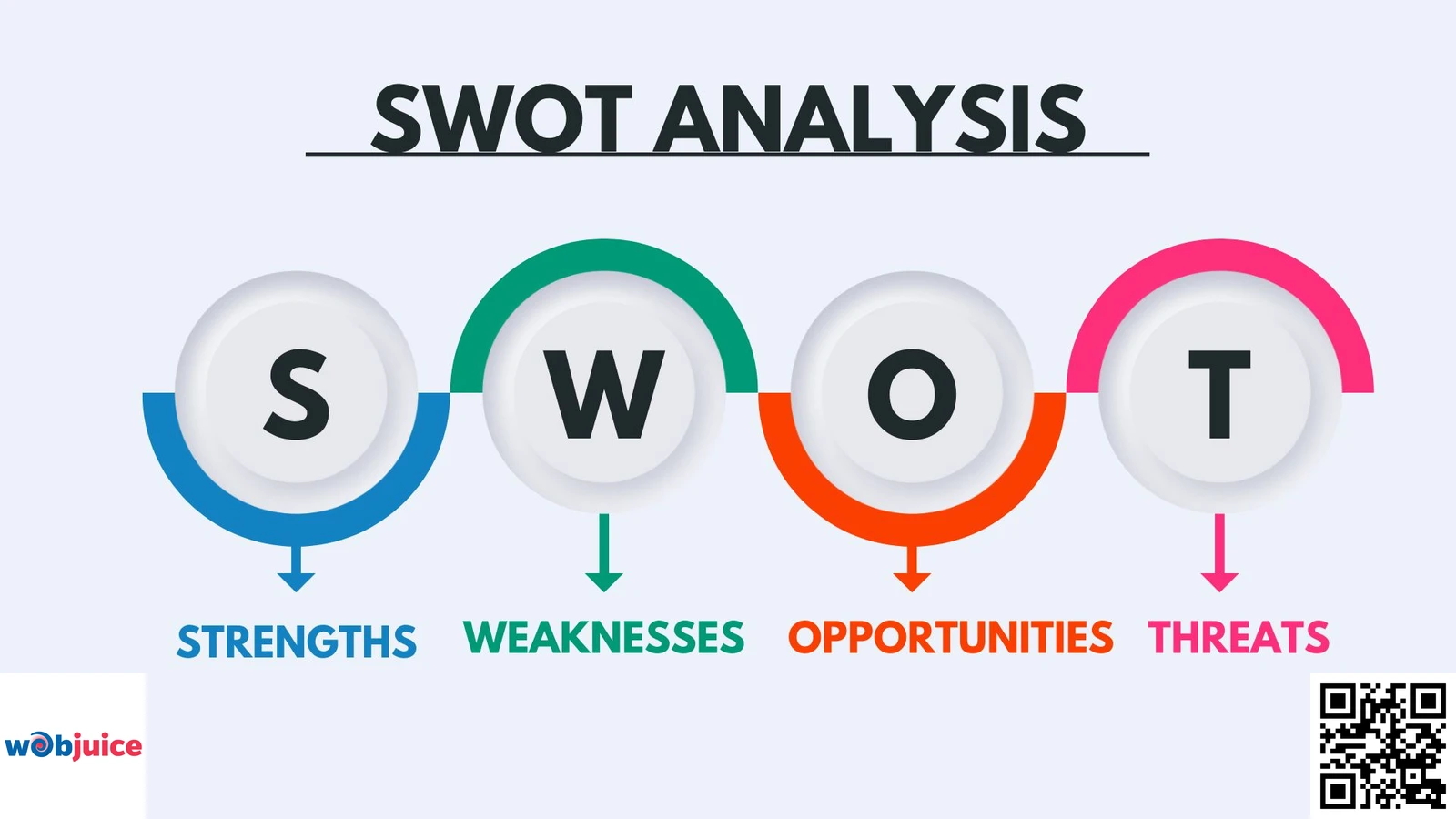
Market gaps can be found by looking closely at your competition, listening to customer feedback, and watching trends.
Start by examining what your competitors do well and where they fall short within their product category.
A SWOT analysis can help you identify these gaps.
Analyze customer feedback and reviews, especially in the context of email marketing.
Many complaints about some products or services show where competitors do not do well in product development.
Think about using keyword research tools to find important but not used enough search terms.
These tips can help your content plan and draw in an audience looking for answers.
Stay watchful for market trends and changes in what customers want.
By expecting these shifts, you can place your business wisely.
Checking for gaps in the market reduces risks and brings new chances for ideas.
This way, you can see market gaps clearly and change them into chances.
Monitor Emerging Trends

Start by keeping an eye on important keywords and topics that are getting attention in your field.
By knowing more about changes in how people act, the tools they use, and the rules in your field, you can change your plans and have an advantage over others.
Tools like Google Trends and social media analytics can give you helpful ideas about what your audience talks about and looks for.
Next, look at competitors who are using these trends well.
Check their content, marketing plans, and social media strategy for how they engage with customers on various social media platforms.
See what works for them and think about how you can use some of their tactics in your plan.
This active approach helps you take advantage of new opportunities before they are common.
Don’t forget to look at possible threats too.
New trends can change the market, so be aware of changes that might hurt your business.
Utilize Competitor Analysis Tools
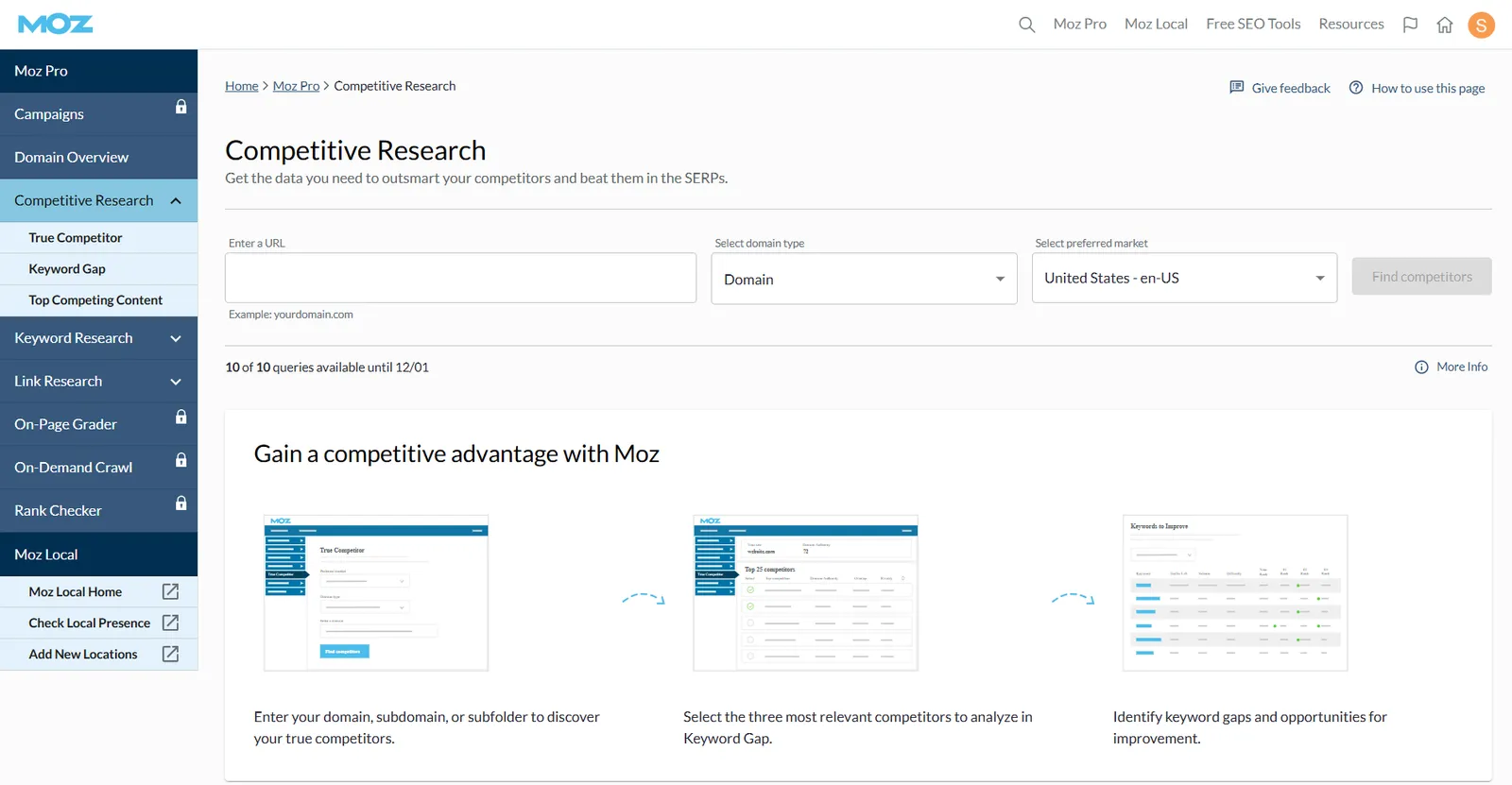
Use tools that give detailed data on market trends, customer behaviour, and competitor performance.
These tools are important for helping you create strategic plans and putting your business in front of the competition.
User analysis is important for getting an edge.
Once you collect this data, focus on understanding it well.
This will help you get good insights and make smart decisions for your business.
Remember to choose tools that have many features.
They should match the needs of your industry.
Essential Tool Features
Keyword tracking, backlink checking, and market trend insights are the most important parts of competitor analysis tools.
They find opportunities for building links and understanding the direction of the industry.
Keyword tracking shows the terms that competitors rank for.
Backlink analysis shows where competitors get their authority.
Market trend insights give a clear view of where your industry is going.
Real-time data updates are important.
Up-to-date information allows for quick and smart choices.
Easy-to-use dashboards make it simple to analyze.
They help you read data fast without getting confused.
These tools make a big difference in looking at competitors.
With the right features, you will get a clear understanding of your competitors and the industry around you.
Data Interpretation Strategies
Dive into the data and pay attention to key numbers like website visitors, keyword positions, and backlink profiles.
These points give important clues about what competitors do to succeed.
Looking at this information helps you find gaps and chances to improve your SEO work.
You can use tools like SEMrush, Ahrefs, or Moz to collect data.
These platforms provide detailed reports that show your competitors’ strengths and weaknesses.
Search for trends, such as common keywords or types of content that people like.
The last step is to create a comparison chart to see how your measures stack up against competitors.
This helps find areas where you can improve.
Update your analysis often to stay on top of market trends and changes.
Competitor Analysis FAQ Guide
Master the art of competitive intelligence with detailed answers to the most important questions about market research, SEO tools, and strategic positioning.
A comprehensive competitor analysis is essential for any business seeking to establish market dominance. Below, we answer the five most critical questions about conducting effective competitive research, with detailed insights on tools, methodologies, and SEO strategy implementation.
Frequently Asked Questions
What are the essential first steps to begin an effective competitor analysis?
The foundational step is a comprehensive competitor identification and categorization process. Begin by mapping out both your direct competitors (those offering nearly identical products/services to the same audience) and your indirect competitors (businesses solving the same customer need with different solutions).
This broad lens is crucial for understanding the full competitive landscape. Immediately following this, define your key performance indicators (KPIs)—such as organic traffic share, top-ranking keywords, or social media engagement rates—to ensure your data collection is focused and actionable.
Pro Tip: Initiating with a structured framework prevents data overwhelm and directs your analysis toward strategic insights that directly impact your market positioning and SEO strategy.
Which competitor analysis tools are most critical for SEO and digital marketing insights?
A robust toolkit is essential for data-driven insights. For a complete picture, integrate these core categories:
Using these tools in concert offers a multi-dimensional view of competitor performance, from technical SEO to audience perception.
How do I translate competitor strengths and weaknesses into my own actionable strategy?
This translation is the core of strategic advantage. Conduct a systematic SWOT Analysis for each key competitor using your gathered data.
Strategic Translation Process:
- To Counter Strengths: If a competitor excels in content marketing, analyze their top-performing blog structure, topics, and format. Don’t copy, but innovate—create more comprehensive, up-to-date, or better-designed content on similar themes.
- To Exploit Weaknesses: If a competitor has poor local SEO or negative reviews about customer service, this is a direct opportunity. Immediately optimize your Google Business Profile, build local citations, and prominently highlight your superior customer support guarantees in your messaging.
This gap analysis allows you to redirect their unmet audience demand toward your brand, capturing market share through strategic differentiation.
Why is analyzing indirect competitors just as important as analyzing direct rivals?
Ignoring indirect competitors is a critical strategic blind spot. Indirect competitors compete for the same customer budget, attention, and need, often from an unexpected angle.
Example: A high-end coffee shop (your direct competitor) and a premium at-home espresso machine brand (your indirect competitor) both target consumers seeking a quality coffee experience.
Key Benefits of Analyzing Indirect Competitors:
- Reveals broader market trends and shifting consumer preferences
- Uncovers innovative marketing angles or customer pain points you may have overlooked
- Helps predict potential market disruption from adjacent industries
By understanding the full ecosystem, you can better defend your position and identify innovative partnership or diversification opportunities before they become threats.
Competitor analysis is not a one-time project but a continuous, cyclical process. Implement a tiered review schedule to maintain your competitive edge:
Recommended Analysis Frequency:
- Monthly: Monitor key metrics like keyword rank changes, new content published, and major social media campaigns using automated dashboards.
- Quarterly: Perform a deeper dive into content strategy, backlink profile changes, and advertising tactics. This is the ideal frequency for a formal SWOT update.
- Biannually/Annually: Conduct a complete, ground-up re-analysis. The market landscape, key players, and consumer behavior can shift significantly.
This major audit ensures your long-term strategy remains aligned with the current reality, allowing you to proactively adapt and maintain your competitive advantage. The most successful businesses treat competitor intelligence as an ongoing business function, not a periodic project.
Summary
A strategic and ongoing competitor analysis is the definitive catalyst for achieving and sustaining market dominance. By transforming raw data on rival strengths, weaknesses, and strategies into actionable insights, you empower your business to make intelligent, forward-thinking decisions.
To solidify your competitive advantage, remember to:
Define & Monitor Continuously: Systematically identify all direct and indirect competitors and use analytics tools to track their digital footprint in real-time.
Analyze Holistically: Move beyond surface metrics. Conduct deep-dive audits of their SEO, content, social media engagement, and customer sentiment to understand their true market position.
Identify & Exploit Gaps: Use comparative analysis to uncover market gaps and unmet customer needs. This is your prime opportunity to differentiate your offerings and messaging.
Adapt Proactively: Treat competitor analysis as a cyclical process, not a one-time project. Regularly update your findings to anticipate market shifts, spot emerging trends, and neutralize potential threats before they impact your business.
By embedding this disciplined approach into your strategy, you gain an unparalleled understanding of your landscape. This intelligence fuels superior SEO performance, sharpens your marketing campaigns, and positions your brand as the preferred choice, ensuring you not only navigate the competitive terrain but definitively shape it.